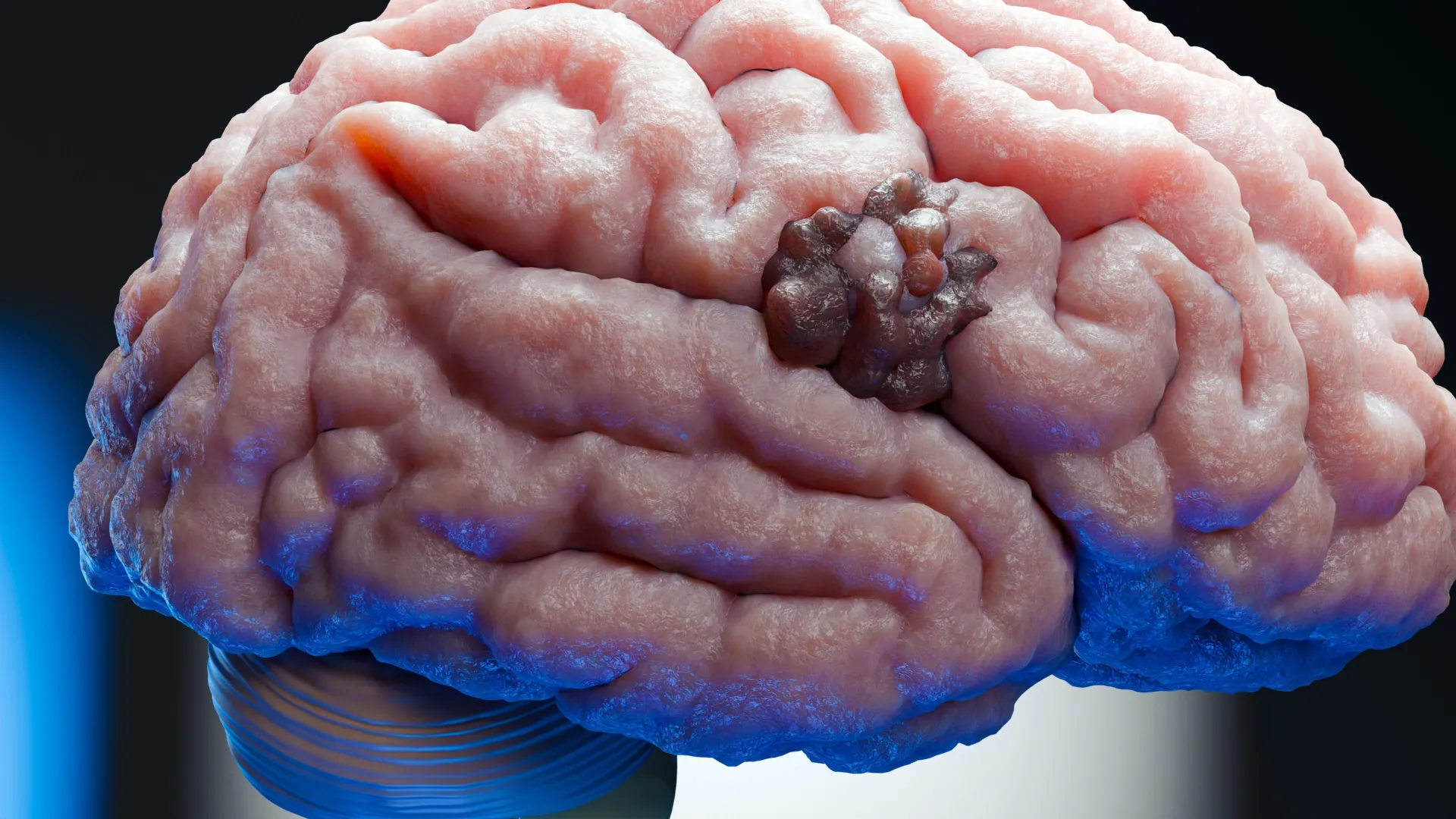
Судлаачид тархины хорт хавдрын хамгийн хүнд хэлбэрийн нэг болох глиобластомыг эмчлэхэд саад болдог уургийн нэгдлийг олж тогтоожээ.
Огайогийн их сургуулийн Олон талт хавдрын төвийн эрдэмтэд “SET” хэмээх уураг нь глиобластомын эсүүдийг хими болон туяа эмчилгээнд тэсвэртэй болгодог гол хүчин зүйл болохыг тогтоосон байна. Энэхүү уураг нь хавдрын эсийг өсөж үржих, эмчилгээний дараа нөхөн сэргэхэд тусалдаг PP2A ферментийн үйл ажиллагааг дарангуйлдаг болох нь лабораторийн болон амьтны загвар дээр хийсэн туршилтаар батлагджээ.
Тус багийнхан ANP32A, CIP2A болон SET уургуудыг хааснаар хавдрын эсийн амьдрах чадвар буурч, цацраг туяанд илүү мэдрэмтгий болж байгааг ажиглав. Энэхүү нээлт нь PP2A ферментийн үйл ажиллагааг сэргээх замаар өнөөгийн эмчилгээний үр дүнг нэмэгдүүлэх шинэ стратегийг боловсруулах боломжийг нээж өгч байна.
Гэсэн хэдий ч эдгээр үр дүн нь одоогоор урьдчилсан шатанд байгаа бөгөөд хүн дээр туршигдаагүй байна. Судлаачид SET уургийг аюулгүй аргаар дарангуйлах боломж болон PP2A-ийн үйл ажиллагааг идэвхжүүлдэг эмийн нөлөөг цаашид нарийвчлан судлахаар төлөвлөж байгаа юм.
“Cancer Letters” сэтгүүлийн 2026 оны тавдугаар сарын дугаарт нийтлэгдсэн энэхүү судалгаа нь хавдрын эмчилгээний хамгаалалтыг сулруулах шинэ гарц болж магадгүй юм. Эрдэмтэд одоогийн байдлаар ашиглагдаж буй сэтгэцэд нөлөөлөх эмүүд PP2A-ийн үйл ажиллагаанд нөлөөлдөг болохыг ажигласан ч, эдгээр эмийг эмнэлзүйн туршилтаас гадуур эмчилгээнд ашиглахыг хатуу анхааруулж байна.
Дэлгэрэнгүйг эх сурвалжаас харах
↓Эх сурвалжийг нээх ↓
Glioblastoma is among the most lethal forms of cancer, and treatment options have changed relatively little because the tumors frequently withstand both radiation and chemotherapy. Researchers at The Ohio State University Comprehensive Cancer Center – Arthur G. James Cancer Hospital and Richard J. Solove Research Institute have now identified a protein called SET as a possible target that could make glioblastoma cells easier to kill with existing therapies.
Rather than replacing current treatments, the strategy is designed to help them work better. In preclinical experiments, suppressing SET prevented tumors from developing.
A Potential Weakness in Glioblastoma
Among the proteins examined, SET stood out because blocking it had such a strong effect on tumor formation. The researchers also found that interfering with related proteins increased the sensitivity of glioblastoma cells to radiation.
Together, the findings point to a biological pathway that may eventually be targeted with drugs to weaken the cancer’s defenses.
The OSUCCC – James team focused on PP2A, an enzyme involved in regulating signals that cancer cells use to grow, survive, and recover from treatment-related damage. Glioblastoma cells appear to interfere with PP2A using three proteins called ANP32A, CIP2A and SET. When the researchers blocked those proteins in laboratory and animal models, fewer cancer cells survived, and the remaining cells became more vulnerable to radiation.
“Glioblastoma is hard to treat because it can adapt and survive,” said Arnab Chakravarti, MD, chair of radiation oncology at the OSUCCC – James. “Our findings suggest that restoring PP2A activity may make glioblastoma cells less able to survive treatment. That gives us a clear path to test whether this approach can make radiation and chemotherapy more effective for patients with GBM.”
Testing Ways to Restore PP2A Activity
The results remain preliminary and have not yet been evaluated in patients. Researchers are now investigating whether SET or other proteins that suppress PP2A can be targeted safely and whether doing so improves the effectiveness of standard glioblastoma therapies.
The team also examined an FDA-approved antipsychotic drug that is capable of increasing PP2A activity. According to the researchers, the results provide additional reason to study medications that influence this pathway.
However, the drug is not ready to be used as a glioblastoma treatment and should not be taken for this purpose outside a clinical trial.
“This is an important first step,” said Chakravarti. “By understanding how SET and related PP2A blockers help GBM survive treatment, we can test ways to block that protection and make current therapies more effective.”
A First Step Toward New Treatment Strategies
The study was published in the May 2026 issue of Cancer Letters, and was supported by grants from the National Institutes of Health, National Cancer Institute and The Ohio State University Comprehensive Cancer Center.

