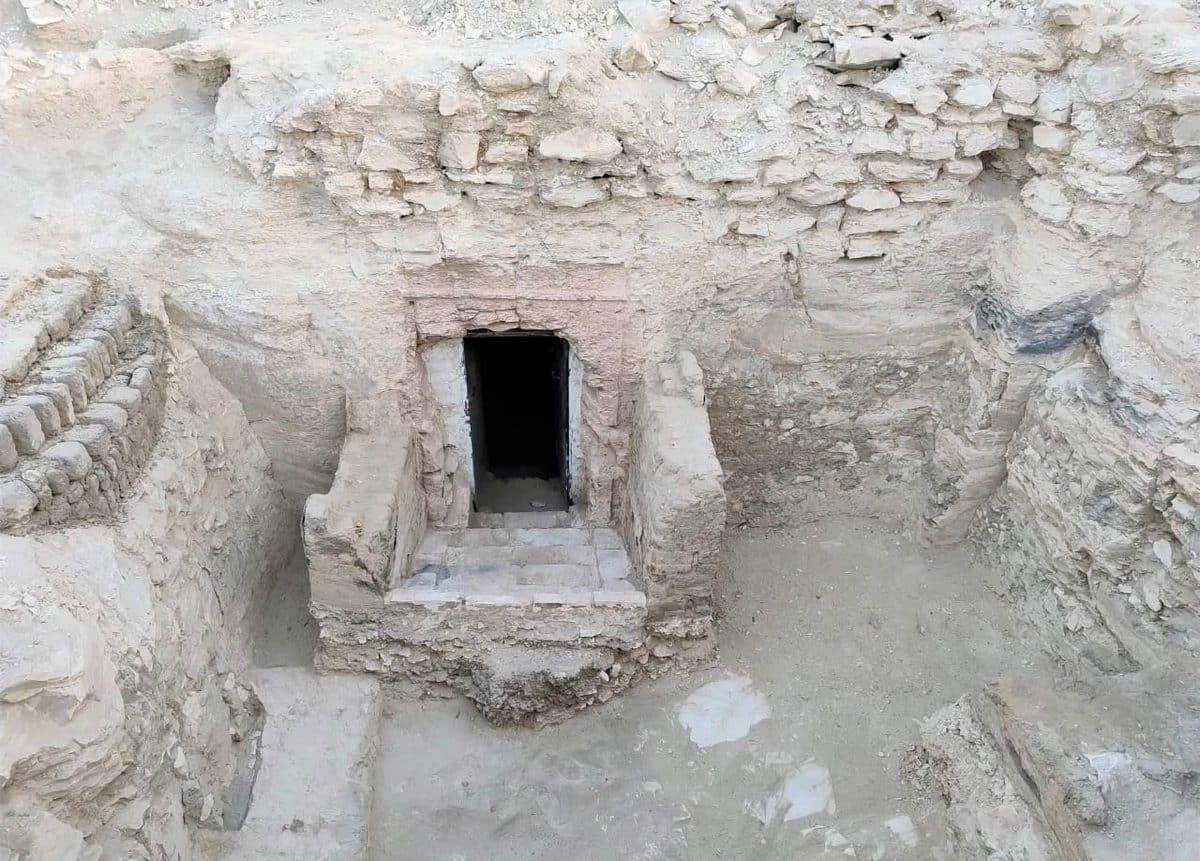
Үерийн аюулаас хамгаалах малтлагын явцад Рамессидын үед хамаарах өндөр албан тушаалтны булш санамсаргүйгээр олдсон байна.
Олон улсын судлаачдын баг 2018 оноос хойш Египетийн Аялал жуулчлал, эртний олдворын яамтай хамтран Нилийн баруун эрэг дэх Тебаны некропольд үерийн усны хамгаалалтын ажил гүйцэтгэж байна. Энэхүү бүс нутаг нь уулын бэлд байрладаг тул гэнэтийн хүчтэй аадар борооны улмаас үерт өртөх эрсдэлтэй байдаг. Үерийн усыг зайлуулах сувагчлал хийх явцад судлаачид урьд өмнө бүртгэгдээгүй эртний булшны орц руу санамсаргүйгээр тулгарчээ.
Шинээр илэрсэн булш нь Шинэ хаант улсын үеийн (МЭӨ 1550–1069) элитүүдийн булшны бүтэцтэй ижил буюу гадна хашаа, хаданд ухсан сүм, доод түвшний оршуулгын танхимаас бүрдэж байна. Хананд нь Пасер хэмээх албан тушаалтан эхнэрийнхээ хамт бурхад болон тахилын өргөлийн өмнө зогсож буй дүрслэлийг тод өнгөөр буджээ. Дүрслэлийн онцлог болон дүрслэх урлагийн хэв маягаас үндэслэн уг булшийг МЭӨ 1292–1069 оны хоорондох Рамессидын үед холбогдохыг тогтоосон байна.
Энэхүү олдвор нь тухайн үеийн албан тушаалтнууд яагаад өмнөх үеийн 18-р династийн үеийн хөшөө дурсгалуудын хажууд булшаа байгуулах, эсвэл дахин ашиглахыг илүүд үздэг байсан гэх судалгааны асуултад хариулахад чухал ач холбогдолтой юм. Судлаачид гэр бүлийн булш, шашны зан үйл болон цувааны замууд нь булшны байршлыг сонгоход хэрхэн нөлөөлж байсныг тодруулахаар ажиллаж байна. Одоогоор булшны ханан дахь дүрслэлүүд шороогоор бүрхэгдсэн байгаа бөгөөд нарийвчилсан цэвэрлэгээ, судалгааны дараа Пасер болон түүний хажууд оршуулагдсан хүмүүсийн талаар илүү тодорхой мэдээлэл гарах юм.
Хамгаалалтын ажил нь цаг хугацаатай уралдан үргэлжилж байна. Үерийн усны улмаас давсны талстжилт үүсэж, ханын зураг гэмтэх, цаашлаад булшны бүтэц нурах эрсдэлтэй байгаа нь уур амьсгалын өөрчлөлт эртний дурсгалт газруудад хэрхэн заналхийлж байгааг харуулж байна.
Дэлгэрэнгүйг эх сурвалжаас харах
↓Эх сурвалжийг нээх ↓
A team of archaeologists working to shield ancient Egyptian tombs from flash floods has stumbled upon something they weren’t looking for. The team found a previously unknown, roughly 3,000-year-old burial site near Luxor. Inside, vividly painted walls depict an official named Paser, his wife, and offerings of bread, beer, fruit and flowers. The find was as unexpected as it was well-timed, arriving in the middle of a conservation project meant to outrun a worsening climate threat.
In Lower Sheikh ʿAbd el-Qurna, part of the vast Theban necropolis on the west bank of the Nile opposite modern-day Luxor, the discovery took place. For over a millennium and a half, this UNESCO World Heritage site served as Egypt’s principal royal and elite cemetery, and it remains home to some of the country’s most famous monuments, including the Valley of the Kings and the Valley of the Queens.
Yet Lower Sheikh ʿAbd el-Qurna itself has stayed largely in the shadow of its more celebrated neighbors. According to the research team behind the discovery, the area has received little scholarly attention compared with sites like the Valley of the Kings or the temple complexes of Luxor and Karnak, a gap this project is now starting to close, almost by accident, while pursuing an entirely different goal: protecting the necropolis from water damage.
An Accidental Discovery Born From Flood Prevention
Rather than emerging from a planned excavation aimed at unearthing new burials, the tomb came to light while the international research team, working since 2018 in collaboration with the Egyptian Ministry of Tourism and Antiquities, was clearing debris to redirect flash floodwater away from existing monuments. The area sits at the foothills of the Theban mountain, which leaves it especially exposed to sudden, intense downpours.
As the team excavated using techniques designed to preserve all historical information, they came upon the entrance to a tomb no one had documented before. Its director recalled the moment as “at once exciting and terrifying,” since there was no way of knowing in advance whether the structure had collapsed, been looted, or survived intact.
The Lost Tomb Of Paser Uncovered
Once inside, the researchers encountered a layout that matched other Theban elite tombs from the New Kingdom period, roughly 1550 to 1069 BC, beginning with an outer courtyard before giving way to a rock-cut chapel and, further below, subterranean burial chambers. Within that courtyard sat a mudbrick platform holding a niche for a stela, approached by a staircase bordered on each side by a ramp.

The chapel walls carry the tomb’s most striking feature: painted scenes of the tomb’s owner worshipping various deities in shrines, and sitting beside his wife in front of a table piled with food offerings. Based on the painting style and iconography, the team dated the tomb to the Ramesside period, spanning roughly 1292 to 1069 BC.
A first reading of the decoration pointed to a high official named Paser as the tomb’s main owner. The paintings, however, are still covered in dirt, and cleaning by a conservation specialist should shed more light on him and on the others laid to rest alongside him.
Why This Ancient Find Is Important?
As reported by Ministry of Tourism and Antiquities, the tomb feeds directly into one of the project’s central research questions: why officials of the Ramesside period so often chose to reuse, modify, or build tombs next to monuments from the earlier 18th dynasty. The team hopes the site will help clarify how factors such as processional routes, family tombs, and cultic significance shaped where officials like Paser chose to be buried.

That scholarly work now competes with a race against time on the conservation front. The team warns that flooding can encourage salt crystal growth, erase painted decoration, and even collapse tomb structures, hazards likely to worsen as climate change brings more frequent and intense flash floods to the region. Paser’s tomb survived only because of efforts to hold back the very threat that first revealed it.
Enjoyed this article? Subscribe to our free newsletter for engaging stories, exclusive content, and the latest news.

