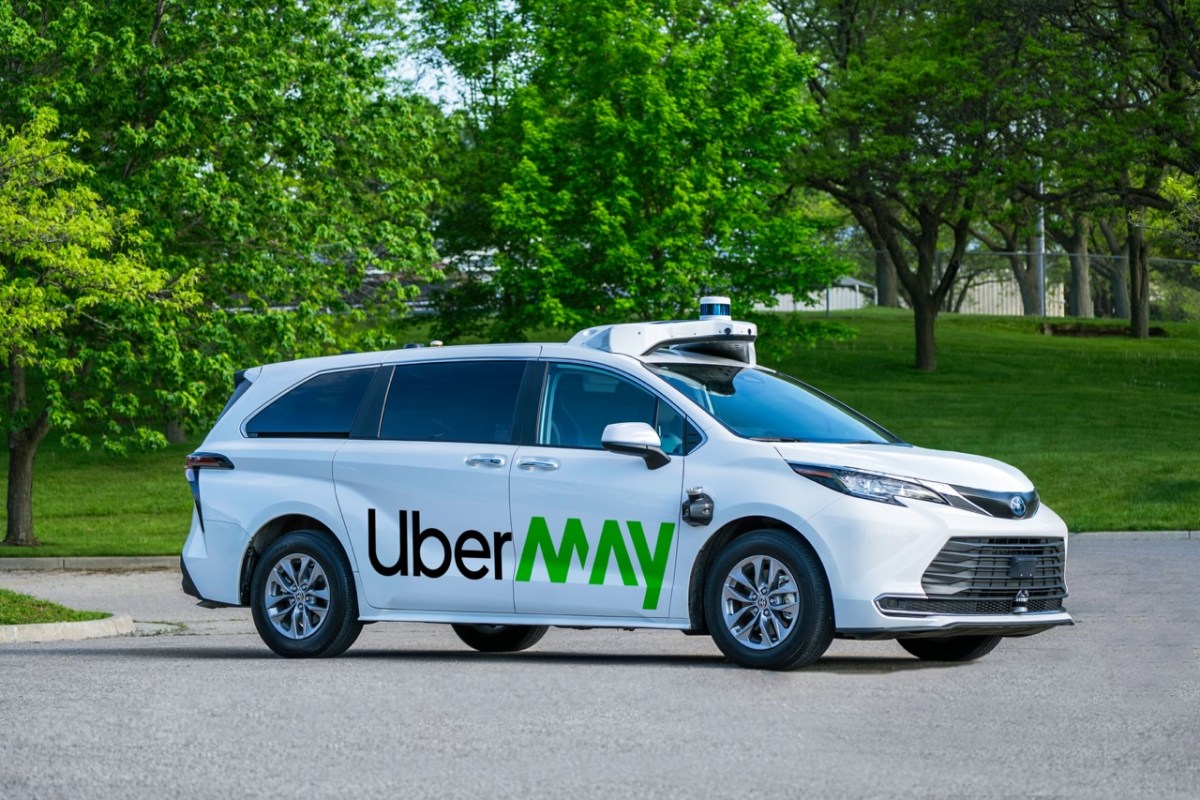
Автономит тээврийн хэрэгслийн технологи хөгжүүлэгч тус стартап нь ACP Holdings Acquisition Corp-той нэгдэж, олон нийтийн зах зээлд гарах төлөвлөгөөгөө зарлалаа.
Лхагва гарагт хийсэн мэдэгдлээр May Mobility нь SPAC буюу тусгай зориулалтын нэгдлийн компанитай нэгдэх замаар хөрөнгийн биржид бүртгүүлэхээ зарлав. Энэхүү хэлцлийн хүрээнд тус компани 1.4 тэрбум ам.долларын үнэлгээтэйгээр 300 сая гаруй ам.долларын санхүүжилт татах боломжтой болж байна. Нэгдэл албажсанаар May Mobility нь АНУ-д зөвхөн автономит таксины үйлчилгээнд төвлөрсөн анхны олон нийтийн компани болох юм.
2017 онд байгуулагдсан тус компани нь өөрийн эзэмшлийн робот таксиг ажиллуулахын оронд тээврийн хэрэгслээ флотын түншүүддээ борлуулж, програм хангамжийн шинэчлэл болон алсын удирдлагын хяналтыг хариуцдаг “хөрөнгө багатай” бизнес загварыг баримталдаг. Одоогоор тэд АНУ-ын гурван байршилд Toyota Sienna загварын автономит автомашиныг ажиллуулж байгаа бөгөөд 550,000 гаруй төлбөртэй зорчигч тээвэрлээд байна. Өнгөрсөн онд тус компани 10 сая ам.долларын орлого олсон бол үйл ажиллагааны зардал нь 93 сая ам.доллар байжээ.
Хэлцлийн хүрээнд ACP Holdings-ийн итгэмжлэлийн данснаас 217 сая хүртэлх ам.доллар, мөн 120 сая ам.долларын хувийн хөрөнгө оруулалтыг татан төвлөрүүлэхээр төлөвлөж байна. Босгосон хөрөнгийг судалгаа шинжилгээ, ялангуяа аюулгүй байдлын жолоочгүйгээр тээвэрлэлт хийх технологи, нийлүүлэлтийн сүлжээний зардлыг бууруулахад зарцуулна. Мөн Uber-тэй хамтран Техас мужийн Арлингтон хотод худалдааны үйлчилгээгээ эхлүүлэхээр зэхэж байна.
Дэлгэрэнгүйг эх сурвалжаас харах
↓Эх сурвалжийг нээх ↓
Autonomous vehicle company May Mobility is merging with a special purpose acquisition company (SPAC) and will become a publicly traded company. It’s a deal that could raise more than $300 million for May Mobility at a valuation of $1.4 billion, the company said Wednesday.
Once the merger is complete, May Mobility said it will be the first public company in the U.S. that is focused entirely on autonomous ride-hailing vehicles. This is meant to differentiate it from a number of other public companies working on autonomy, including Tesla, Rivian, Alphabet (with Waymo), and trucking-focused Aurora and Kodiak.
The move sets up May Mobility to be a test of the stock market’s appetite for pure-play robotaxi ventures.
It will also be a test of May Mobility’s approach to autonomy, which it pitches as “asset-light” and “partnership-first.” Instead of owning and operating the robotaxis, May Mobility’s business revolves around selling its autonomous vehicles to its fleet partners over time while maintaining control of any remote supervision and software updates. In exchange, May Mobility receives either fixed fees or per-trip licensing fees.
Founded in 2017, May Mobility currently operates autonomous Toyota Siennas in three locations in the U.S. It has a partnership with Lyft in Atlanta, and offers rides in two cities — Eden Prairie and Grand Rapids — in Minnesota.
These deployments helped May Mobility generate around $10 million in revenue last year, with a cash burn of around $93 million. It has offered more than 550,000 paid autonomous rides to date, covering more than 1 million miles. The company recently spun up its first trial deployment in Japan and is planning commercial launches in Arlington, Texas, with Uber, at the end of this year or in early 2027.
May Mobility is merging with ACP Holdings Acquisition Corp., a special purpose acquisition company established by Houston, Texas-based investment management company Atlas Credit Partners. The merger will involve a $120 million “private investment in public equity” transaction, and up to $217 million from a trust account maintained by ACP Holdings — though shareholders in the SPAC may choose to redeem their stock at the time of the merger, which could reduce the amount of money going to May Mobility.
May Mobility said Wednesday that it will use the proceeds to fund more research and development, especially around removing its safety drivers, as well as supply chain investments to reduce its bill-of-materials costs. The company is also targeting new geographic deployments, some of which it expects to announce later this year.
When you purchase through links in our articles, we may earn a small commission. This doesn’t affect our editorial independence.

