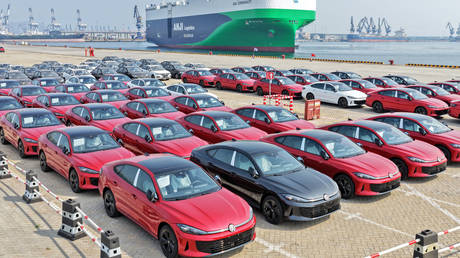
Германы автомашин үйлдвэрлэгч Volkswagen компани жолоодлогын системд гарсан техникийн доголдлын улмаас дэлхий даяар 4 сая орчим автомашинаа эргүүлэн татахаар болсон нь тус компанийн хувьд санхүүгийн хямралтай үед тохиож буй томоохон сорилт болоод байна.
Германы Холбооны тээврийн газраас мэдээлснээр, 2013 оны есдүгээр сараас 2024 оны долдугаар сарын хооронд үйлдвэрлэгдсэн Volkswagen-ийн Golf, Tiguan, Touran, Caddy загварууд болон Skoda, Audi, Seat брэндийн нийт 4 сая орчим автомашины жолоодлогын системд ашиглагдсан боолт зэврэлтэд өртөх эрсдэлтэй байгаа аж. Энэхүү гэмтэл нь жолоодлогын системийг ажиллагаагүй болгож, улмаар жолоодлогын хяналт алдагдах аюултай тул ийнхүү эргүүлэн татах шийдвэр гаргажээ.
Энэхүү үйл явдал нь Volkswagen компани дэлхий даяар 100,000 ажлын байраа цомхотгох төлөвлөгөөтэй холбогдуулан ажилтнуудын эсэргүүцэлтэй тулгарч, санхүүгийн хүндрэлд ороод буй үед тохиож байна. Тус компанийн гүйцэтгэх захирал Оливер Блумегийн мэдээлснээр, ОХУ-ын байгалийн хийн нийлүүлэлт зогссоны улмаас эрчим хүчний зардал өссөн, Хятадын зах зээл дэх өрсөлдөөн ширүүссэн болон АНУ-ын гаалийн татварын дарамт зэрэг нь компанийн ашигт ажиллагаанд сөргөөр нөлөөлж байна.
Даваа гарагт Герман улсад Volkswagen, Mercedes-Benz, BMW, Audi, Porsche компанийн олон арван мянган ажилтан ажлын байраа хамгаалахын төлөө жагсаал зохион байгууллаа. IG Metall үйлдвэрчний эвлэлээс Герман улсын автомашины салбар нь геополитикийн хурцадмал байдал, эрчим хүчний хямрал, гадаадын өрсөлдөөний улмаас бүрэн сүйрэх эрсдэлтэй байгааг анхааруулсан байна.
Дэлгэрэнгүйг эх сурвалжаас харах
↓Эх сурвалжийг нээх ↓
Some Volkswagen vehicles could suffer steering failure due to corrosion, the company has warned
The German automaker giant Volkswagen is recalling some 4 million vehicles worldwide over fears that they could suffer a sudden steering failure. The development comes as the world’s second-largest car manufacturer is grappling with soaring costs and massive worker protests over plans to slash around 100,000 jobs worldwide.
A safety-related quality issue was recently discovered in numerous vehicles produced by Volkswagen and its subsidiaries: a bolt securing the steering system turned out to be susceptible to corrosion and could potentially snap, rendering a vehicle unsteerable, Germany’s Federal Motor Transport Authority reported.
The issue affected around 2.16 million Volkswagen cars, including Golf, Tiguan, Touran, and Caddy models produced between September 2013 and July 2024, as well as more than a million Czech-made Skoda vehicles, around 700,000 Audis, and approximately 200,000 cars of a Spanish brand Seat.
The German media call the development the biggest recall since the 2015 ‘dieselgate’ scandal, when Volkswagen was found to have sold cars to the US that had special software allowing them to mask the true level of emissions during testing. The German automaker later admitted to cheating, which resulted in an avalanche of lawsuits and billions in fines and compensation for customers.
The recall comes at a time when Volkswagen, like much of German industry, is facing a severe financial and operational crisis, having watched profit margins collapse. Hit by US tariffs and patchy demand for electric cars, Europe’s largest carmaker has been struggling on several fronts. The crisis has been compounded at home by soaring energy costs since Berlin abandoned cheap Russian pipeline gas following the escalation of the Ukraine conflict in 2022, increasingly relying on costlier LNG imports.
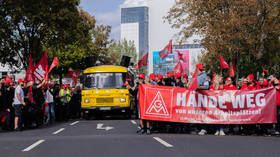
Volkswagen CEO Oliver Blume had earlier cited the loss of Russian energy as a key factor behind the company’s troubles, along with increased competition from China. Earlier this month, the company announced plans to slash around 100,000 jobs worldwide. The reductions would amount to roughly one seventh of its global workforce.
The decision prompted massive protests by auto workers. On Monday, tens of thousands of employees at Volkswagen, Mercedes-Benz, BMW, Audi, Porsche took to the streets in more than 280 actions across Germany as the nation’s largest industrial union, IG Metall, has warned that the country’s automotive industry “faces the risk of total collapse” due to the combined pressure of US tariffs, Chinese competition and the loss of access to Russian oil and gas.
You can share this story on social media: