
Шинэ судалгаагаар оройн цагаар хооллох зуршил нь элэгний хатуурал болон бодисын солилцооны үйл ажиллагааны алдагдлаас үүдэлтэй элэгний өөхжилт (MASLD) үүсэх эрсдэлтэй холбоотой болохыг тогтоожээ.
Clinical Gastroenterology and Hepatology сэтгүүлд нийтлэгдсэн уг судалгаанд 59 орчим насны 199,155 оролцогчийн эрүүл мэндийн мэдээллийг 16 жилийн турш судалсан байна. Oregon Health and Science University (OHSU) болон Massachusetts General Hospital-ийн судлаачдын тогтоосноор, унтахын өмнө эсвэл оройн хоолны дараа хооллодог хүмүүст элэгний хатуурал үүсэх эрсдэл 28 хувиар, MASLD үүсэх эрсдэл 36 хувиар тус тус өндөр байжээ.
Судлаачид хүний биеийн биологийн цаг буюу циркадиан хэмнэл нь элэгний үйл ажиллагаатай нягт холбоотойг онцолсон байна. Элэг нь оройн цагаар хоол боловсруулах үйл явцад үр дүнтэй бэлтгэгдээгүй байж болох бөгөөд энэ нь цусан дахь сахарын хэмжээ ихсэх болон элгэнд өөх тос хуримтлагдахад нөлөөлдөг байж магадгүй гэж үзэж байна. Элэг судлаач Robert Wilechansky-ийн тайлбарласнаар, оройн цагаар илүү их илчлэг авах нь инсулины мэдрэг чанарыг бууруулж, бодисын солилцооны хямралд хүргэдэг биологийн үндэслэлтэй байна.
Гэсэн хэдий ч судалгаа нь шууд шалтгаант холбоог бүрэн батлаагүй бөгөөд нойрны чанар, хоолны төрөл зэргийг тусгаж чадаагүй нь судалгааны хязгаарлалт болж байна. Одоогоор OHSU-ийн баг энэ чиглэлээр илүү нарийвчилсан эмнэлзүйн туршилтыг эхлүүлээд байгаа бөгөөд цаашид хооллох цаг хугацааг зохицуулах нь элэгний архаг өвчнөөс урьдчилан сэргийлэх хялбар арга байж болохыг судлаачид тэмдэглэжээ.
Дэлгэрэнгүйг эх сурвалжаас харах
↓Эх сурвалжийг нээх ↓
It may be time to rethink those late-night raids on the fridge or the cookie and chip cupboard: A new study has linked out-of-hours snacking with two types of liver disease, cirrhosis and metabolic dysfunction-associated steatotic liver disease (MASLD).
Published in Clinical Gastroenterology and Hepatology, the comprehensive study analyzes data from 199,155 individuals, with a median age of 59. Participants are enrolled in ongoing health research and complete food and lifestyle questionnaires every 2–4 years.
The authors of the new study, from Oregon Health and Science University (OHSU) and Massachusetts General Hospital, found a 28 percent higher risk of cirrhosis and a 36 percent higher risk of MASLD among late-night eaters compared to those with more standard eating times.
Late-night eating was defined as eating “after bedtime” or “between dinner and bedtime.”
To put that increased risk into perspective, cirrhosis remained uncommon, with 315 cases among nearly 200,000 participants over the follow-up period.
The researchers think that our circadian rhythms, the built-in cycles that sync our bodies with daytime and nighttime, may explain the link.
“A few studies have hinted at this idea, but this is among the first long-term analyses to explicitly draw the connection to fatty liver disease,” says hepatologist Robert Wilechansky, from OHSU.
“We know the liver is very much in tune with the body’s circadian rhythms. So we’re interested in changing the timing of eating in a way that could make a difference in health, without changing the composition of what people eat.”
The median follow-up time for the study was 16 years, with adjustments made to factor in variables including age, body mass index (BMI), and physical activity. The late-night eating association remained significant after the adjustments.
While the study can’t prove direct cause and effect, and other factors might be at play here – sleep timing and quality weren’t accounted for in this analysis, for example – the researchers suggest that the different way the body processes food at night could be having an influence.
We all have multiple circadian clocks running in our bodies, and the liver does its own timekeeping as well as connecting to the main circadian rhythms.
It’s possible that the liver isn’t prepared to efficiently deal with food late into the evening, resulting in more fat building up and blood sugar levels rising – though these ideas will need further testing.
“Our findings add to the growing body of literature linking late-evening eating patterns to adverse metabolic and liver outcomes,” write the researchers in their published paper.
“This relationship is biologically plausible; higher evening caloric intake may lead to obesity and metabolic derangement via decreased insulin sensitivity and lower energy utilization at night.”
Further research could look at exactly what late-night eating consisted of – in this analysis the snacking time was logged, but not the snack – as well as measuring indicators like blood sugar and liver fat more directly.
An OHSU team that includes Wilechansky is already recruiting for a more thorough clinical trial.
“The effects of late-evening food intake on liver disease should be further studied in diverse populations, incorporating liver imaging and markers of liver disease severity,” write the researchers.
“Confirmation of these results would have the potential to impact best practices in nutrition for chronic liver disease.”
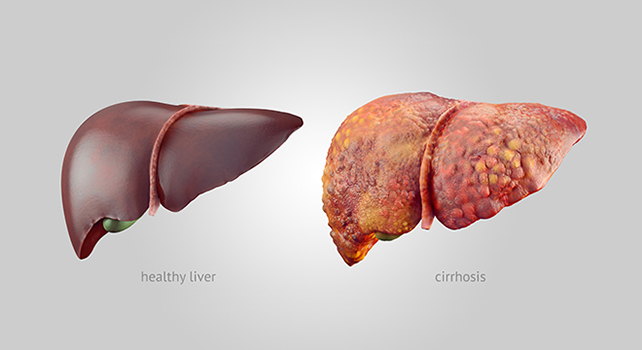
MASLD, also known as fatty liver disease, is when metabolic issues (such as obesity) lead to fat building up in the liver. In some people, it can cause scarring, which can then lead to cirrhosis, where the liver is permanently damaged and can eventually start to fail.
Knowing more about how these two conditions are triggered or exacerbated will help with prevention and treatments going forward. It could be that one way of reducing your risk of liver disease is as simple as being disciplined about eating times – an easier ask than a diet or exercise regime.
“We are seeing over and over again that the timing of behaviors, whether it’s sleep, eating or exercise, really matters,” says sleep and circadian physiologist Andrew McHill, from OHSU.
The research has been published in Clinical Gastroenterology and Hepatology.
This article was fact-checked by Rebecca Dyer and edited by Rebecca Dyer. While we pride ourselves on our process, we are only human. If you spot a mistake, please let us know.

