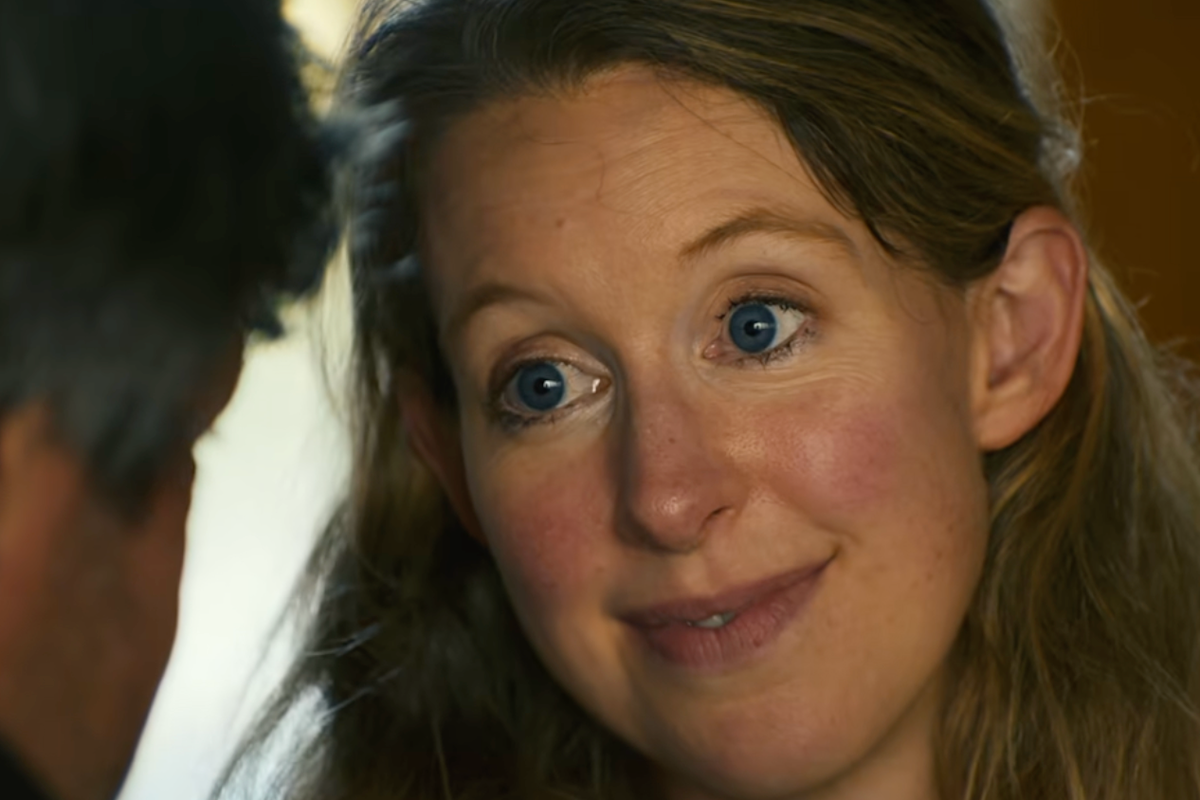
Элизабет Холмсын амьдралыг өгүүлэх “You Can See Everything” баримтат кино АНУ-ын 2,000 гаруй кино театрт нээлтээ хийж, олон нийтийн дунд өргөн хүрээтэй хэлэлцүүлэг өрнүүлээд байна.
Нэйтан Филдер, Лэнс Оппенхайм нарын хамтран бүтээсэн “You Can See Everything” баримтат кино нь Theranos компанийг үүсгэн байгуулагч, залилангийн хэргээр 11 жилийн ял сонссон Элизабет Холмсын тухай өгүүлдэг. Киноны үйл явдал Холмс шоронд орохоос 34 хоногийн өмнөх үеэс эхэлж, улмаар баримтат кино бүтээгч ба гол дүрийн хоорондын харилцааг шинэлэг, ээдрээтэй өнцгөөс харуулдаг. Кино бүтээгчид Холмсын түүхийг судлах явцдаа хэн нь үнэнч, хэн нь жинхэнэ хорон санаатан болох талаарх асуултыг хөндөж, үзэгчдийг эргэлзээнд оруулжээ.
Шүүмжлэгчид болон үзэгчдийн зүгээс уг киног баримтат киноны төрөл жанрыг шинэ түвшинд гаргасан гэж дүгнэж байна. Гурван цаг орчим үргэлжлэх энэхүү бүтээл нь Холмсын хувийн амьдрал болон түүний хамтрагч Билли Эванстай харилцах харилцааг харуулсан ч үзэгчдэд тодорхой хариулт өгөхөөс илүүтэй олон “яагаад” гэсэн асуултыг үлдээжээ.
Киног үзсэн олон хүн Филдер болон Холмс нарын дэлгэцэн дээрх харилцаа, тэдний бие бие рүүгээ ширтэх хэсгүүд нь хүн хэрхэн бусдыг төөрөгдүүлж, залилж болохыг харуулсан сэтгэл түгшээм, ер бусын дүр зураг болсныг онцолсон байна. Үзэгчдийн дунд маш их хүлээлт үүсгэсэн уг бүтээл нь одоогийн байдлаар соёлын томоохон үзэгдэл болон хувираад байгаа юм.
Дэлгэрэнгүй эх сурвалжийг харах
Эх сурвалжийг нээх ↓
Want to bookmark your favourite articles and stories to read or reference later? Start your Independent Membership today.
Already a member?
It’s not often that a documentary captures the cultural zeitgeist. Yet You Can See Everything, Nathan Fielder’s bonkers documentary about disgraced Theranos founder Elizabeth Holmes, has hijacked the national conversation, sold out more than 2,000 U.S. movie theaters and even inspired Halloween costumes. Here at The Independent’s U.S. culture desk, the movie has sent our writers spiraling, and all of us have asked the same thing: What on earth did we just watch?
The film begins 34 days before Holmes is set to surrender herself to the Federal Prison Camp in Bryan, Texas, where she’s serving an 11-year sentence after being convicted on four counts of fraud and conspiracy for lying about the capabilities of her biotech company’s blood testing technology and conning investors out of millions of dollars. Once she surrenders (about halfway through the film’s nearly three-hour run time), the film takes a turn no one saw coming.
The movie is a disturbing, absurd and slippery exploration of the relationship between documentary makers and their subjects. What starts as an attempt to excavate the Holmes-Theranos saga once and for all devolves into questions around who the real villain is — and who, if anyone, is telling the truth. These questions have led to such spirited discussions among our writers, and we’ve attempted to distill our unending thoughts below.
*WARNING: Spoilers ahead for You Can See Everything.*
Kevin Perry
I’m struggling to remember the last time I saw a film that provoked such passionate conversation as You Can See Everything. It’s such a phenomenon that I half expected to be handed a Theranos device-shaped popcorn bucket at the cinema. While the film’s formal experiments are provocative, it’s also a deeply human story. The scene where Elizabeth Holmes tells her partner she’s left milk in the fridge for their baby before turning herself in to start an 11-year jail sentence is particularly heart-wrenching. How much sympathy we should feel for Holmes is one of the narrative’s central questions, and at the heart of much of the debate around the documentary, but in a film that’s full of surprises, the biggest one might be that after an almost three-hour runtime I still didn’t want it to end.
Ellie Muir
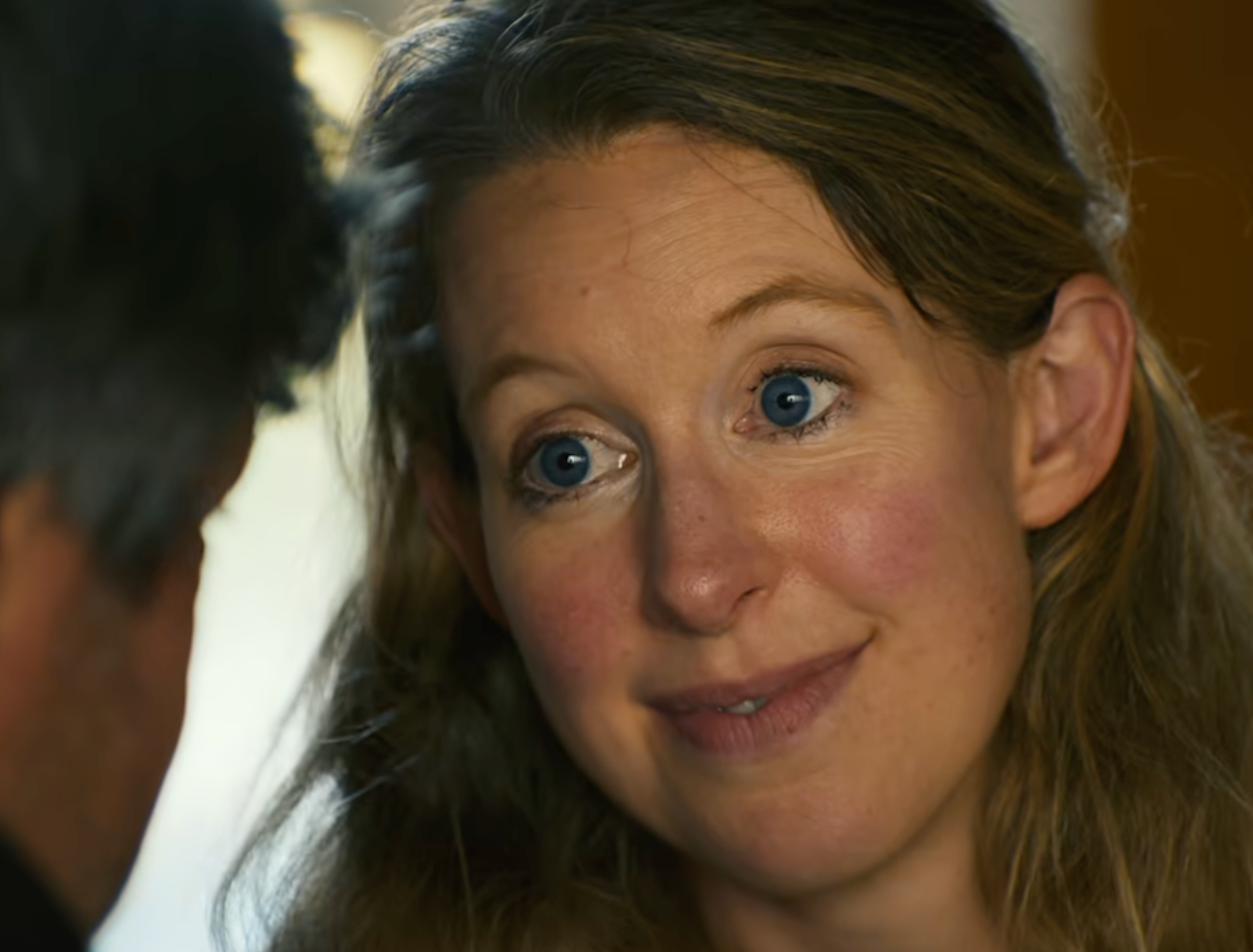
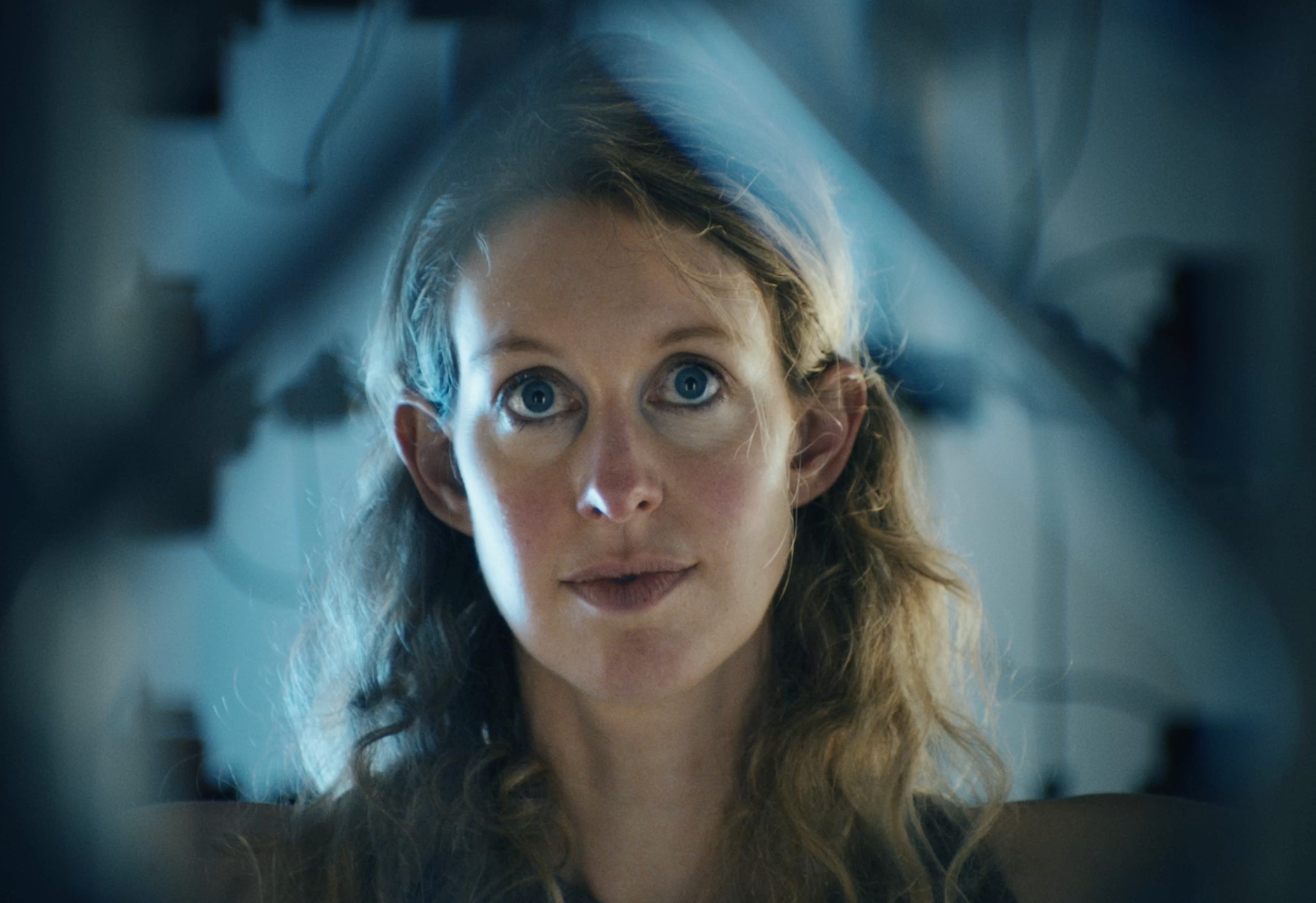
There is something extremely haunting about Elizabeth Holmes’s pool blue eyes and her unblinking, wide stare. The Theranos founder’s retinas are a main feature of You Can See Everything; a large portion of this movie consists of documentary maker Nathan Fielder and Holmes gazing intensely into each other’s eyes when she attempts to explain (but never really does) why her blood testing company failed so spectacularly. Yet the most interesting part of this documentary isn’t any post-mortem examination of Theranos (this really isn’t the point of the movie); to me, it’s the eerie connection that develops between Fielder and his subject. Their strange intimacy — and the messy, charged interpersonal relationships that unfold elsewhere in this documentary — tells us less about Theranos, and more about how humans can manipulate, deceive and seduce one another. By the end of this movie, I was left questioning whether Fielder had been consumed by his subject’s orbit altogether.
Caitlin Hornik
Fielder and Oppenheim are redefining the documentary genre with You Can See Everything. It’s a brilliant and mind-bending foray into the lives of Holmes and her partner Billy Evans. But it’s also maddening that after nearly three hours, we’re no closer to learning the truth. Leaving the theater with far more questions than answers — around not only Holmes and Evans, but about Fielder’s feelings for the Theranos founder — turned my night (and the days since) into an unrelenting stream of “what if’s.” Mostly, I’m beyond impressed that Fielder and Oppenheim were able to make this film without any leaks. But I’m even more impressed (and frustrated!) that a three-hour documentary could be so simultaneously thought-provoking yet yield so few answers.
Carsen Holaday
I still can’t really wrap my head around what I saw here. As a longtime Nathan for You fan, I had expected the absurdity and discomfort guaranteed in seeing Fielder interact with any subject. But I wasn’t expecting to be so charmed and disgusted by nearly every key player in this twisted tangle of deceit and manipulation. As the line between fact and fiction became deliciously blurry, I stopped trusting my instincts and instead leaned forward in my chair. Although it was one of the most unhinged theater experiences I’ve had all year (there was cheering at certain moments that rivaled Avengers: Endgame, I’m not joking), certain images continued to haunt me when I was quiet and alone: Elizabeth Holmes crying on the phone. A beach walk juxtaposed with a Tesla at a shooting range. A bowl of eggs being handed over like blame. It’s human and alien all at once. I’ve never seen anything like it.

