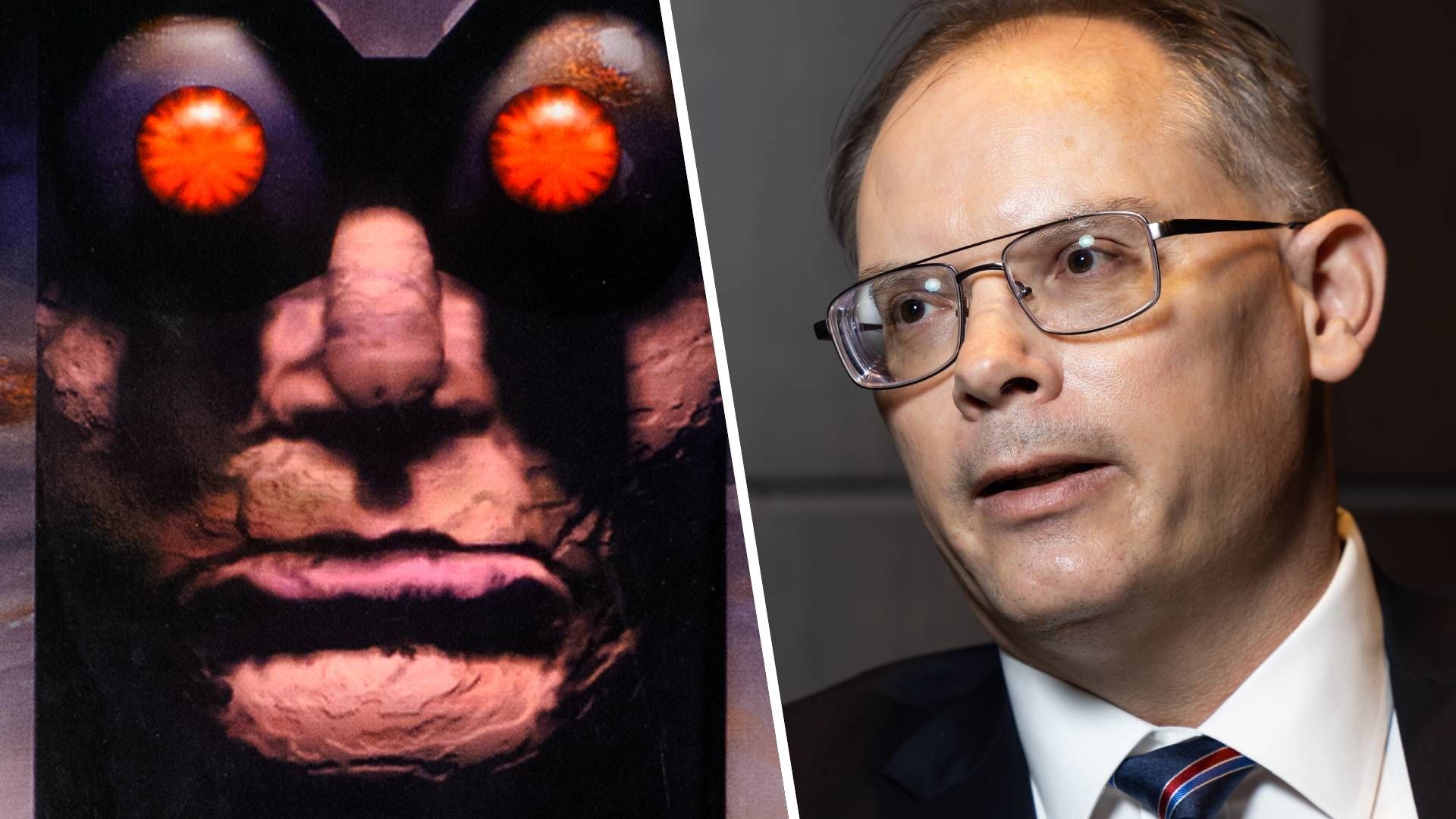
Epic Games-ийн гүйцэтгэх захирал Тим Суини тоглоомын студиудын санхүүгийн чадавх болон бүтээлч байдлын хоорондын хамаарлын талаарх өөрийн хуучны үзэл бодлыг дахин батлав.
2000 оны тавдугаар сарын 24-нд Epic Games-ийн гүйцэтгэх захирал Тим Суини “immersive sim” төрлийн тоглоомын эхлэл болсон Looking Glass Studios хаагдсан явдалд хандан мэдэгдэл хийж байв. Саяхан уг мэдэгдлийг X (хуучнаар Twitter) сүлжээнд Sinnoware суваг дахин нийтэлсний дараа Тим Суини өөрийн байр суурийг хэвээр байгаагаа илэрхийлжээ. Тэрээр зарим тоглоом бүтээлч байдлаараа хайрлагддаг ч бизнесийн хувьд ашиггүй байх тохиолдол гардаг бөгөөд компаниуд зардлаа нөхөх хэмжээний орлого олох үүрэгтэй гэж үзэж байна.
Түүний энэхүү хатуу байр суурийг салбарын нэр хүндтэй зүтгэлтнүүд эсэргүүцсэн байна. Noclip-ийн Дэнни О’Двайер болон Arkane-ийг үүсгэн байгуулагч Рафаэль Колантонио нар Looking Glass студийн тоглоомын салбарт оруулсан соёлын болон урлагийн үнэт хувь нэмрийг онцолсон бол Gloomwood-ийн хөгжүүлэгч Диллон Рожерс уг мэдэгдлийг захирлын явцуу сэтгэлгээ гэж шүүмжилжээ.
Сүүлийн жилүүдэд Bluepoint, Arkane Austin, BioWare, Tango Gameworks зэрэг студиуд хаагдсан эсвэл бүтцийн өөрчлөлтөд орсон нь салбарын тогтворгүй байдлыг харуулж байна. Эдгээр шийдвэрүүд нь ихэвчлэн богино хугацааны ашиг орлого, хувьцааны үнэ цэнэ эсвэл тренд дагасан төслүүдээс шалтгаалдаг. Тим Суини өөрөө 2026 онд Epic Games-д 1,000 орчим ажилтныг цомхотгосон нь энэ салбарт томоохон тоглогчид ч эрсдэлээс ангид биш болохыг харуулж байна.
Салбарын мэргэжилтнүүдийн үзэж буйгаар, Японы тоглоомын студиуд гүйцэтгэх захирлуудын цалингийн ялгаа болон жижиг багийн бүтэц, live-service трендэд хэт автаагүй байдал зэргээсээ шалтгаалан энэхүү хямралыг харьцангуй хохирол багатай даван туулж байна. Тоглоомын салбарт тогтвортой байдал, хүний нөөцийн бодлого болон ашиг орлогыг тэнцвэржүүлэх шаардлага тулгарсаар байна.
Дэлгэрэнгүйг эх сурвалжаас харах
↓Эх сурвалжийг нээх ↓
On May 24, 2000, Epic Games CEO Tim Sweeney shared a public statement (the specific platform or venue eludes me) on the closure of Looking Glass Studios, a canonical PC gaming institution and originator of the immersive sim genre (maybe don’t call it that, though). The statement was resurfaced by immsim enthusiast account Sinnoware on Twitter, and Sweeney has since responded.
Here’s Sweeney’s original statement from 2000 in full:
Responding to the post’s resurfacing, Sweeney stands by his assessment of this prior moment of studio closures and industry uncertainty: “Sometimes the creative magic that makes a game loved by some isn’t accompanied by the economics of a viable business,” he wrote. “Game businesses are businesses, and though one can invest in anticipation of future profit or growth, ultimately a company must earn enough to pay the bills.
“This is a challenge all game makers face, and it’s magnified during downturns. The solution? Make a great game, make it efficiently, and set the budget based on the size of the audience that will pay for it. Technology that helps achieve that is, in my opinion, good.”
A number of prominent industry figures took issue with Sweeney’s take. Danny O’Dwyer of Noclip and Arkane co-founder Raphael Colantonio both emphasized the lingering artistic impact of Looking Glass. Gloomwood developer Dillon Rogers wrote Sweeney’s statement off as “the mindset of an asshole CEO.”
I’m not particularly fond of Epic’s games or Sweeney’s ‘metaverse‘ vision for the future of the industry. I am a huge fan of Looking Glass. Indeed, many of my favorite games were born of beautiful, doomed studios that were ultimately sacrificed before Mr. Market: Looking Glass, Black Isle, Troika, and now BioWare.
That’s what’s tough for me here: There is an uncomfortable ring of truth to Sweeney’s words, even as I find them infuriating. If the future of the industry fully belongs to Roblox, Fortnite, and EA Sports brought to you by Jared Kushner and the Saudi Public Investment Fund, I don’t want to be a part of it. But that’s who’s winning.
Whatever I feel like saying about Thief’s incredible fictional world or Ultima Underworld’s inescapable influence, the market leaders can just point to the scoreboard: More hearts and minds, more money, more influence, more impact. These are not what’s most important to me, but they are what matter to the wealthy few who own and shape the future. All of my protests about artistry and meaning end up sounding like cope. “By MIT Grads, For MIT Grads” was, unfortunately, a very sick burn.
If you disagree with Sweeney’s premise for what truly matters in games, I think it’s worth being realistic about where he has a point. But there are also aspects of his argument where I think it’s valuable to push back and reframe things.
Sweeney speaks in terms of balance sheets and profitability, and while that’s relevant to Looking Glass’ story and those of many smaller studios shut down in recent years, there’s a more arcane logic behind many recent shutdowns and mass layoffs:
- Bluepoint: A remaster studio shut down by Sony after it was pivoted to a multiplayer God of War.
- Arkane Austin: A successor to Looking Glass that was mired in the confused, live service-adjacent Redfall.
- BioWare: My hobby horse remains the cancellation of the original Dragon Age 4 in favor of Anthem.
- Tango Gameworks: There was seemingly no reason. It looks to have been operating within its means. Thankfully it was saved by Krafton.
On that note, we’ve been keeping a running tally of ways to get laid off in the videogame industry that defy common sense. Many studios are being shut down based on mathematics well beyond my ken. They had clear remits and devoted fanbases, but were sent to chase down short-lived industry fads, then punished for it. Others are amputated or hollowed out seemingly for short term, quarter-to-quarter improvements in stock price. And as O’Dwyer pointed out, Epic laid of 1,000 employees in 2026, even as it remains an industry juggernaut—would it have had to close its doors if it kept paying those salaries?
It feels almost trite to point out that the impacts of layoffs, shutdowns, and failed business strategies are softened the higher up you go in a company’s hierarchy, with the crowning absurdity that the executives calling these shots never bear the brunt of the consequences. Things are somewhat different in Japan, which coincidentally has been relatively insulated from this crisis.
In the absence of a new and cooperative industry that altogether sheds things like leveraged buyouts, high-paid executives, and high store fees (which to be fair, Sweeney has been ahead of the curve on criticizing), I do think there are stabilizing compromises that the CEOs and billionaires of this industry could choose to make at any time, ones that prioritize sustainability and human decency while still making them money. I’ll let you know if that ever happens.
2026 games: All the upcoming games
Best PC games: Our all-time favorites
Free PC games: Freebie fest
Best FPS games: Finest gunplay
Best RPGs: Grand adventures
Best co-op games: Better together

