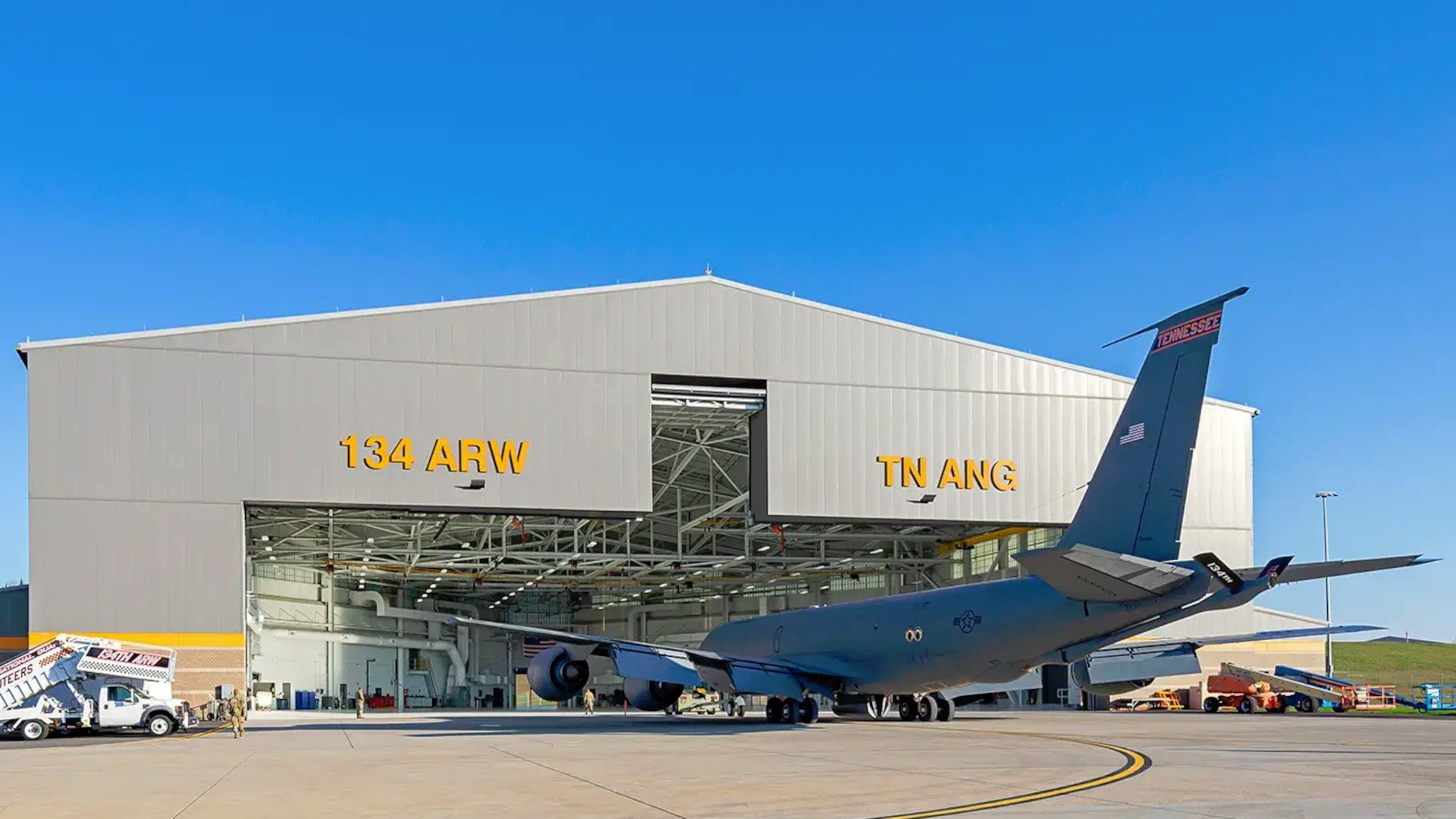
АНУ-ын Агаарын цэргийн хүчин ирээдүйн зөрчилдөөний үед агаарт цэнэглэх чадавхаа хадгалахын тулд нисэх онгоцны буудлуудын дэд бүтцийг хамгаалах тал дээр илүү анхаарах шаардлагатай байгааг Хадсоны хүрээлэнгийн шинэ тайланд онцолжээ.
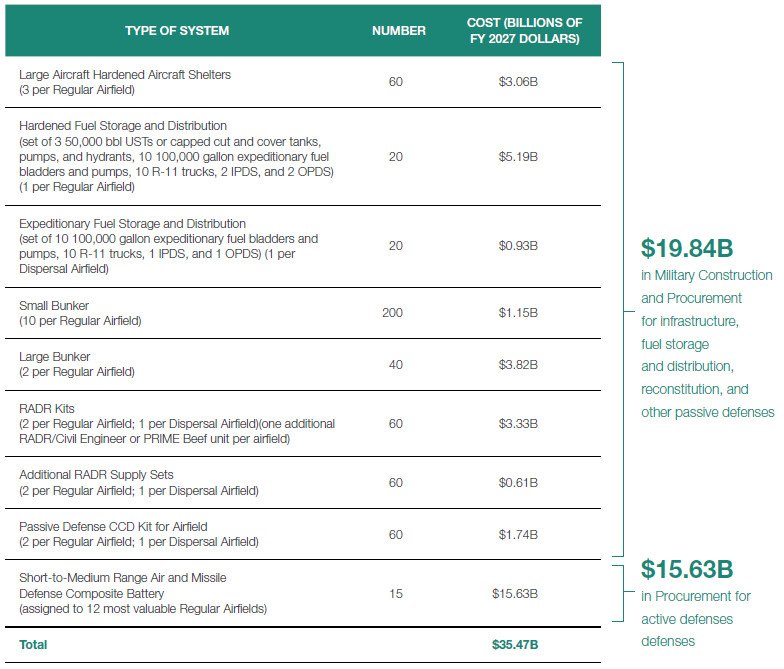
Хадсоны хүрээлэнгийн “Resilient Reach: Redesigning Aerial Refueling for Contested Global Operations” нэртэй шинэ тайланд АНУ-ын цэргийн агаарын ажиллагааг хангах агаарт цэнэглэх чадавх нь дайсны довтолгоонд өртөмтгий баазуудаас хамааралтай байгааг анхааруулсан байна. Шинжээчид Агаарын цэргийн хүчин дэвшилтэт онгоц худалдан авахаас гадна, нисэх онгоцны буудлуудын дэд бүтцийг сайжруулах, ялангуяа агаарт цэнэглэгч онгоцуудыг багтаах хүчин чадалтай бэхжүүлсэн хоргодох байгууламжуудыг нэн даруй байгуулах шаардлагатай гэж үзэж байна. Энэхүү зорилгод хүрэхийн тулд дэлхий даяар дор хаяж 60 том хэмжээний хамгаалалтын байгууламж барихыг зөвлөж байгаа бөгөөд үүнд 3.06 тэрбум ам.долларын хөрөнгө оруулалт шаардлагатай аж.
Ираны зүгээс Саудын Арабын “Prince Sultan” агаарын бааз руу хийсэн халдлагын үеэр KC-135 онгоцууд гэмтсэн нь агаарын баазуудын ил задгай талбайд байрлах онгоцууд ямар эрсдэлтэй болохыг харуулсан юм. Мөн ОХУ-ын нутаг дэвсгэрт Украины дроны довтолгооноос үүдэн олон тооны бөмбөгдөгч онгоц устгагдсан нь энэхүү аюулыг улам тодотгож байна. Хэдийгээр АНУ-ын Агаарын цэргийн хүчний удирдлага, тухайлбал Агаарын цэргийн хүчний штабын дарга генерал Кеннет Вилсбах нарийн чиглүүлэгч зэвсгийн эсрэг бэхжүүлсэн байгууламж төдийлөн үр дүнтэй биш гэж үзэж, агаарын орон зайг хамгаалах системд илүү хөрөнгө оруулах байр суурьтай байгаа ч шинжээчид эдгээр байгууламж нь дайсны тагнуул болон жижиг хэмжээний дроны довтолгооноос хамгаалах, дайсны зардлыг нэмэгдүүлэх ач холбогдолтой гэж дүгнэж байна.
Тайланд дурдсанаар, БНХАУ-ын Ардын чөлөөлөх армийн агаарын бааз болон нисэх онгоцыг устгах чадавх нь Ираны зэвсэглэлээс хамаагүй өндөр түвшинд хүрсэн бөгөөд 2035 он гэхэд энэхүү аюул заналхийлэл дэлхий даяар улам бүр өргөжих төлөвтэй байна. Иймд агаарт цэнэглэх чадавхыг хамгаалах нь АНУ-ын агаарын ажиллагааны бүрэн бүтэн байдал болон дайны үеийн ялалтыг хангах нэн тэргүүний асуудал болохыг уг судалгаанд онцолжээ.
Дэлгэрэнгүйг эх сурвалжаас харах
Эх сурвалжийг нээх ↓
A new independent report argues that increased access to better-protected airfields is as important, if not more so, than buying advanced tanker aircraft when it comes to meeting future U.S. aerial refueling demands. The authors, in part, call for the U.S. military to invest in new hardened shelters that are large enough for tankers to fit inside. Top U.S. Air Force officials have continued to downplay any need for more physical hardening of bases, even now with the experiences from the war with Iran, which have only underscored the already glaring dangers posed to planes sitting out in the open on flightlines.
Hardened shelters and other efforts to “boost surface infrastructure resilience” form one of three main themes in a report the Hudson Institute think tank in Washington, D.C., published yesterday. It also says that the Air Force should work to “incorporate adaptive mission systems” into existing tanker fleets, including new communications and self-protection capabilities, as well as pursue acquisition of a next-generation tanker with a blended wing body (BWB) design. Hudson’s latest analysis, which is titled Resilient Reach: Redesigning Aerial Refueling for Contested Global Operations, builds on a previous report it published in 2021. Last year, the Institute published an additional report warning more generally about the vulnerabilities created by a lack of hardened infrastructure at U.S. bases worldwide.
“Aerial refueling is an unmatched United States military advantage, but it currently depends on vulnerable forward bases and medium-range tankers that could be neutralized,” Hudson’s report states as its number one finding. “Suppression of this critical capability could collapse US air operations and heavily contribute to US defeat in a war against the People’s Republic of China (PRC).”
Though not necessarily to the degree that the Hudson Institute is arguing for, the Air Force has been working in recent years to increase the networking architecture available on the KC-135 and KC-46 tankers it has now, as well as field new defensive systems. The service is also still exploring a wide range of next-generation aerial refueling concepts, including new stealthy and/or uncrewed tankers, under what is now called the Advanced Tanker Systems (ATS) program.
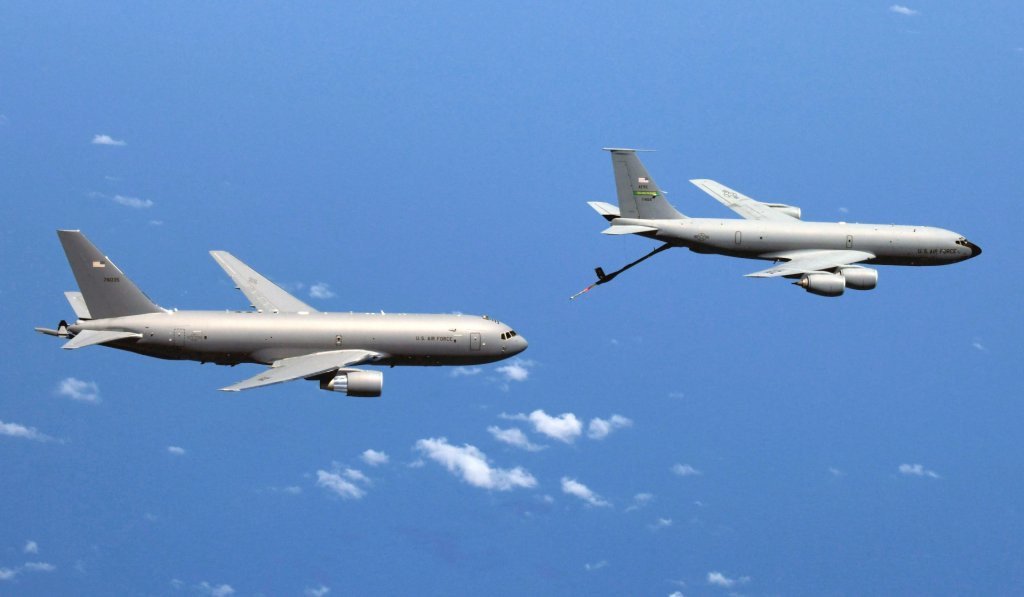
Base resiliency and aerial refueling capacity
The base resiliency aspects of Hudson’s new aerial refueling report are a particular standout, especially as this is an area where the Air Force has been dragging its feet, if not actively pushing back.
“Aerial refueling surface infrastructure is the ‘network of airfields, maintenance facilities, and bulk fuel storage and distribution facilities and systems necessary to enable tanker operations,’” Hudson’s new report states, citing the Institute’s past work from 2021. “‘Enhancing the capacity and resilience of its surface architecture should be a top priority for the US Air Force – even if it comes at the cost of tanker procurement – because it will yield a greater increase in the number of employable tankers’ and receiver aircraft supported.”
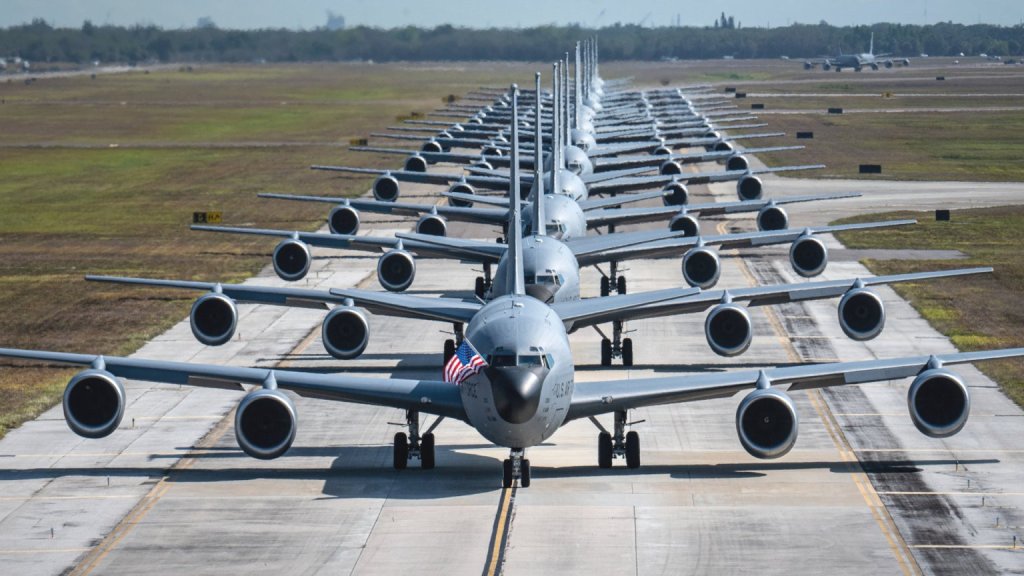
With this in mind, “the department [of the Air Force] should first pursue access to more airfields, including large commercial ones, and nurture its invaluable relationships with North Atlantic Treaty Organization (NATO) and other allies that provide access to tanker airfields,” per the report. “Second, it should improve bulk fuel storage and distribution by constructing lower-capacity hardened fuel stores rather than higher-capacity but vulnerable aboveground storage tanks, fielding airfield and over-the-shore fuel distribution systems, and securing access to more maritime tankers, including by levying higher working capital fund rates to fund bulk fuel resilience initiatives.”
On top of all this, “the Air Force will need to fund passive defenses (such as personnel and equipment bunkers, reconstitution equipment and units, redundant capabilities, the aforementioned fuel infrastructure hardening, more hardened large aircraft shelters, and tanker decoys) and active counter-command, control, communications, computing, cyber, intelligence, surveillance, reconnaissance, and targeting (C5ISRT) and air and missile defenses to defeat threats,” the report adds. “As witnessed at Prince Sultan Air Base, dispersion alone is insufficient to avoid attack in an era of persistent surveillance and precision targeting.”
Five Air Force KC-135 aerial refueling tankers were damaged on the ground in an Iranian attack on Prince Sultan Air Base in Saudi Arabia in March, just weeks after the start of hostilities with Iran. That same attack destroyed one of the service’s prized E-3 Sentry Airborne Warning and Control System (AWACS) radar planes. Lt. Gen. Linda Hurry,head of Air Force Materiel Command, confirmed just last week that repairs are still ongoing on some of the KC-135s that were damaged, reinforcing that attacks that do not outright destroy friendly aircraft on the ground can still have significant impacts.
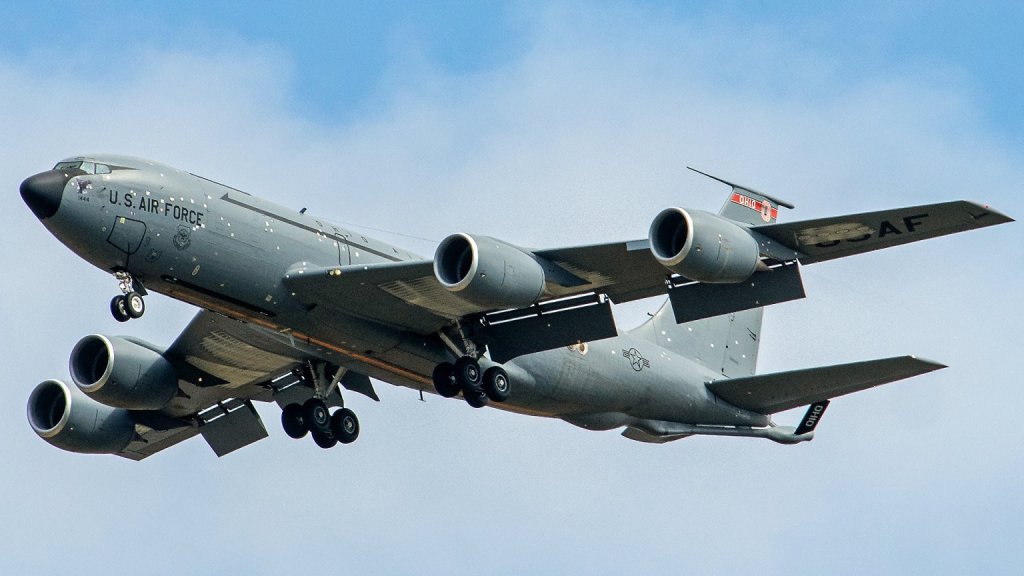
Iran was also reportedly able to damage F-15E Strike Eagles and A-10 Warthog ground attack jets on the ground at Muwaffaq Salti Air Base in Jordan during another more recent attack on the night of September 9-10.
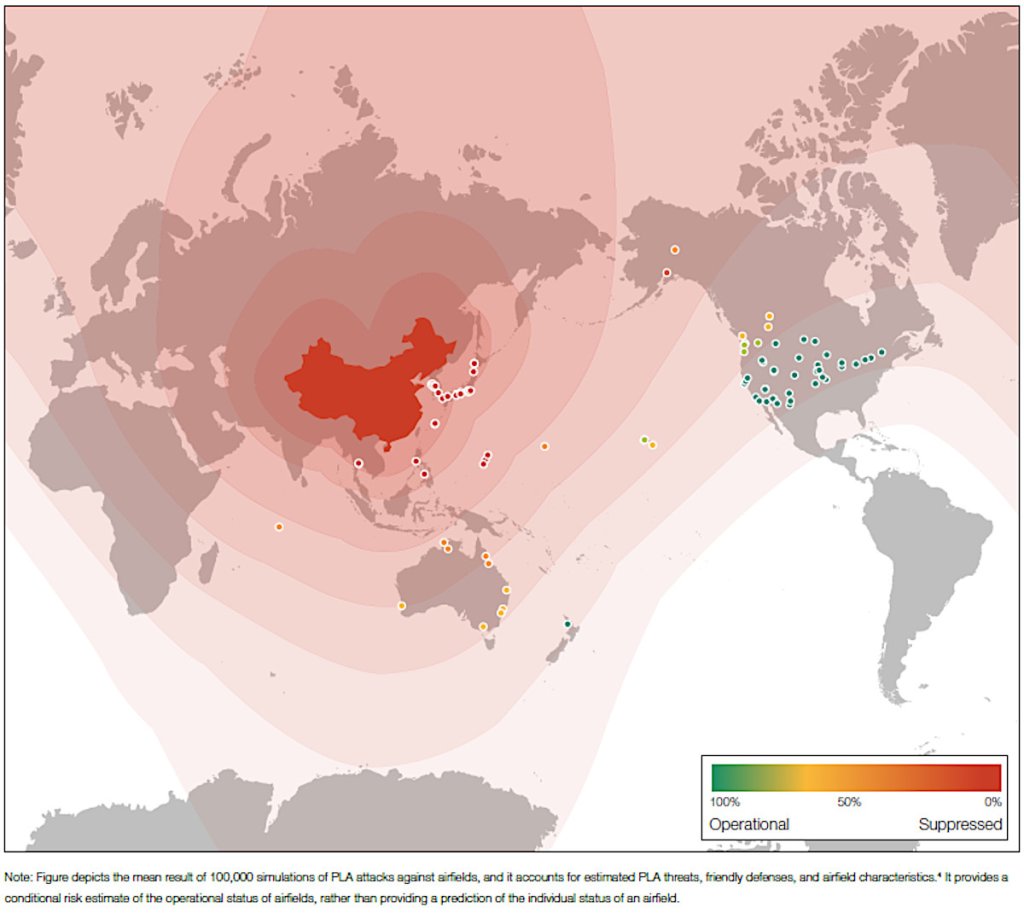
“Historically, aerial refueling aircraft operated from sanctuary on the ground and in the air. However, as Iran’s attacks on Prince Sultan Air Base demonstrated, adversaries can target tankers on the ramp,” Hudson’s report notes. “The [Chinese] People’s Liberation Army’s (PLA) ability to attack airfields and aircraft at them dramatically exceeds the range, quality, and quantity of Iranian systems.”
By Hudson’s assessment, “in 2025 the PLA could already deliver thousands of PLA Air Force and PLA Rocket Force munitions per day against targets near its territory and around 400 munitions per day against targets in the Second Island Chain, the Middle East, and Central Asia. It could even strike Alaska and Western Europe with small numbers of weapons,” the report explains. “By 2035, the threat will be far more severe; the PLA may be capable of delivering even more munitions and striking targets throughout Europe, Africa, and the Americas. This assessment does not account for additional attacks by the PLA Navy, PLA special forces in Operation Spiderweb–style attacks, or other threats.”
Ukraine’s unprecedented Operation Spiderweb involved near-simultaneous near-field drone attacks on air bases across Russia, which resulted in the destruction of at least 10 Russian bombers, as well as a variety of other aircraft. All of those planes were notably parked on open flightlines.
This particular threat vector, among others, was further highlighted by the Air Force’s sudden and unexpected decision to withdraw B-1 bombers from RAF Fairford, an airbase in the United Kingdom, earlier this month. As TWZ noted at the time, it also put a spotlight on the U.S. military’s continued lack of investment inhardened aircraft shelters and other fortified air base infrastructure.
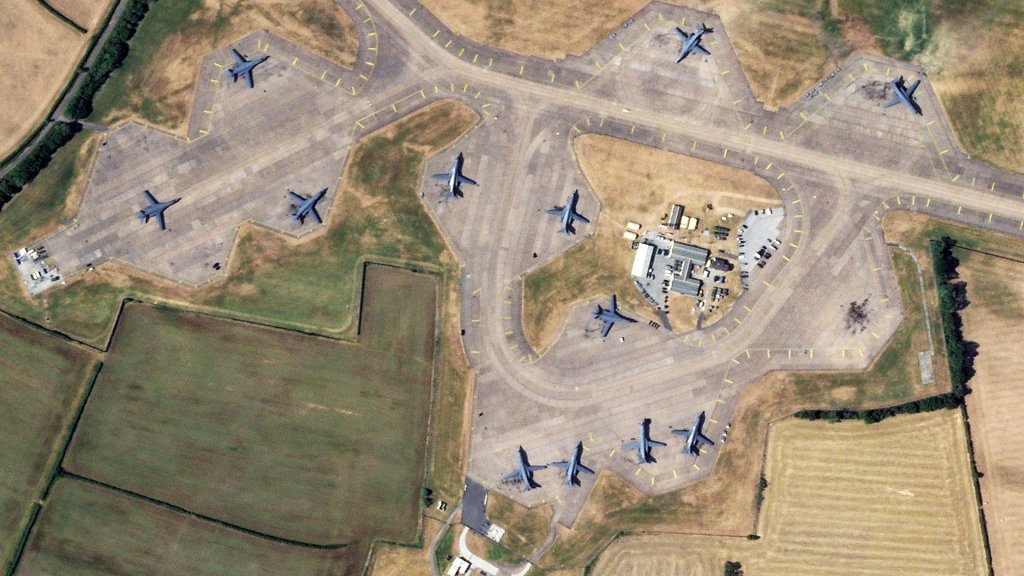
To go back to the Pacific scenario, “given the PLA’s focus on systems destruction warfare and nodal analysis, tanker airfields would likely be prime targets. Tankers require bulk fuel stores, long runways, and ample ramp space,” Hudson assesses in its new report. “All of these resources would be easier to suppress and more difficult to reconstitute than operations for other assets, such as fighter aircraft or runway-independent Edge Force units. There are also currently few hardened large aircraft shelters suitable for tankers, which makes them vulnerable to observation and attack on the ramp.”
“Although large hardened aircraft shelters suitable for tankers can be expensive (ranging from $30–$150 million depending on scope and location), they can shield aircraft from observation and inclement weather, force adversaries to employ more numerous unitary weapons (rather than a small number of submunition-armed weapons) and protect tankers that cannot get airborne upon warning of an incoming attack,” Hudson’s report adds.
Hudson’s report recommends the construction of at least 60 large hardened aircraft shelters spread between an array of bases globally, at a total cost of $3.06 billion.
“The costing for this estimate assumes a conservative average Area Cost Factor of 1.87, a 10-year construction program, and 10 percent portfolio efficiencies from replicating similar projects at multiple sites, potentially using the same prime contractor or a set of contractors under a consortium,” per a footnote. “Large aircraft hardened aircraft shelters are assumed to be similar to the Andersen Air Force Base Air Expeditionary Force Forward Operating Location Aircraft Maintenance Hangar.”
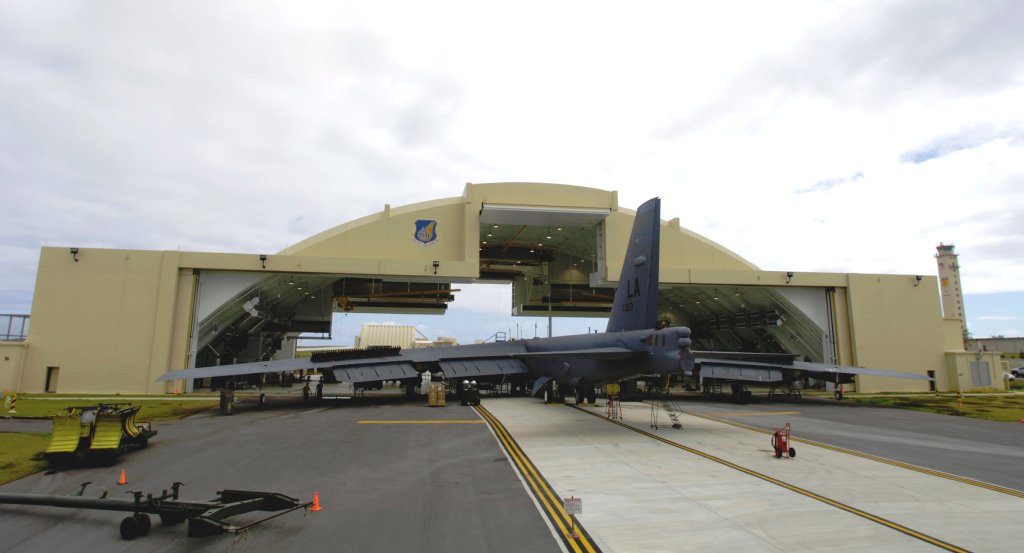
With this in mind, the report also notes that these same shelters could be used for other larger aircraft beyond tankers, like bombers. It’s also important to note that shelters with a lower, but still useful degree of hardening, or ones that are just meant to conceal what is inside, would be cheaper to construct. We will come back to this in a moment.
The base hardening debate
TWZ has highlighted all of these points and more in our prior reporting on the ongoing debate within the U.S. military about the value of constructing new hardened (and unhardened) aircraft shelters and other passive defenses. As we wrote after the withdrawal of the B-1s from Fairford:
“It is fair to point out that typical above-ground hardened aircraft shelters are not invulnerable, especially to attacks involving ballistic, cruise, and certain air-launched threats. There are also substantial cost and other factors to consider when it comes to any major military construction effort.”
“That being said, having more hardened infrastructure also imposes costs and complexities on opponents, who have to dedicate more advanced and costly munitions and other resources to ensure targets are neutralized. Shelters have the knock-on benefit of complicating the targeting process for an enemy by obscuring where aircraft are or are not positioned, to begin with. An opponent has to treat shelters like they are full even if they are empty.”
“When thinking about hardened aircraft shelters, stereotypical Cold War-era reinforced concrete structures typically come to mind. However, they do not all have to be built to a one-size-fits-all standard with the same degree of hardening across the board to be useful. Shorter-range drone attacks are typically carried out by platforms carrying small explosive charges or that are designed to drop small bomblets. Even longer-range one-way-attack drones generally have smaller warheads than traditional missiles, they also hit with less kinetic energy.”
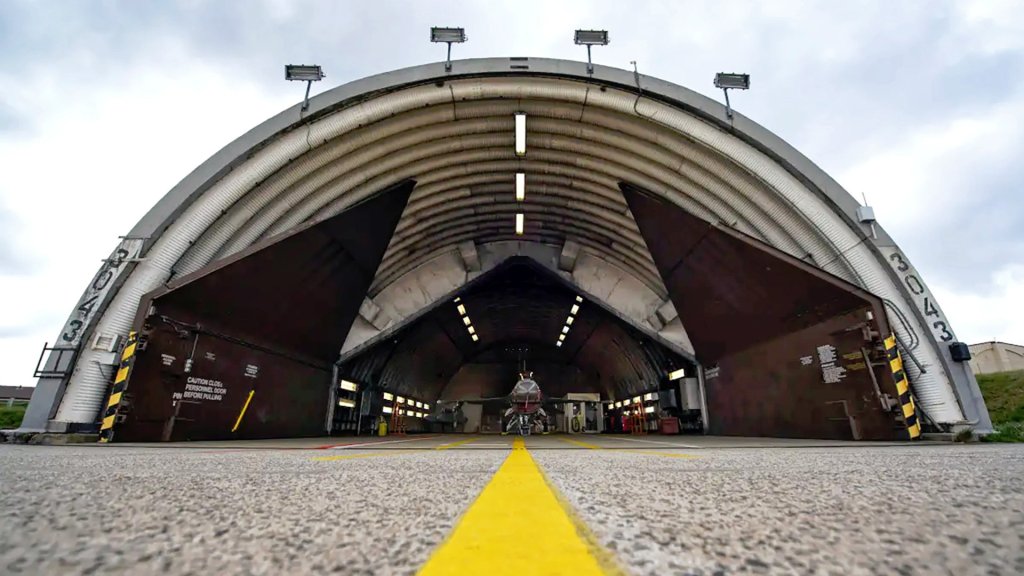
“A structure that shields against smaller blasts and shrapnel, also including from cluster munitions that can be readily scattered across wide areas, is one that then has to be addressed by more capable weapons. This could even include mobile or otherwise temporary shelters that offer sufficient concealment and protection.”
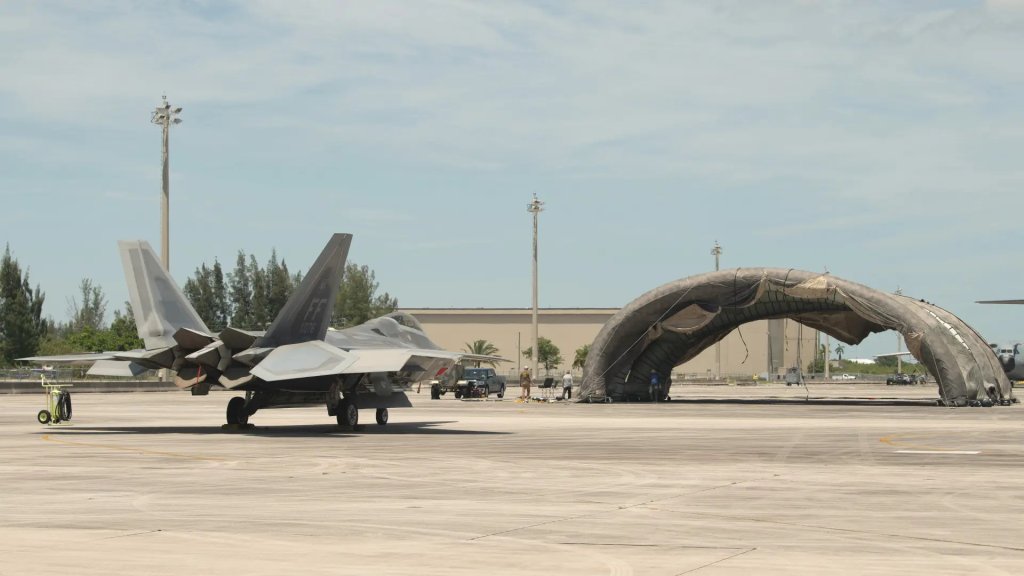
“Eliminating, or at least substantially mitigating, the lowest rung of threats creates a dilemma for opponents, who then have to decide whether it is even worthwhile to attempt certain types of attacks. There is clear value in narrowing the available options for the enemy and pushing them toward having to expend higher-end, more expensive munitions, that are available in smaller quantities, and that traditional active defenses may be better optimized to handle. As an example, it may be more viable to shoot down a small barrage of incoming cruise missiles than a swarm of dozens of drones.”
This is a diverse threat ecosystem that extends globally, too. This was highlighted in August by an attempted drone attack on a Ukrainian An-124 at an airport in Germany, which authorities in that country subsequently blamed on Russia. This has been a growing point of concern in Europe more broadly in recent years, as well.
Drones, in particular, present increasing dangers to key U.S. military bases and critical infrastructure within the U.S. homeland, as well as in waters just off America’s coastlines. Serious incidents atLangley Air Force Base in Virginia in 2023 and Barksdale Air Force Base in Louisiana just earlier this year have reinforced that these threats are no longer limited to facilities and assets overseas.
No ‘silver bullets’ for safeguarding tankers
To be clear, hardening U.S. bases cannot address current or future threat ecosystems by itself, and needs to be part of a larger defensive architecture that incorporates a range of capabilities including surface-to-air missiles, electronic warfare systems, and directed energy weapons, as well as tactical jets in the air. Furthermore, to reiterate, the view of “surface infrastructure resilience” outlined in Hudson’s report extends beyond defensive measures entirely, and does not discount the value of distributed and dispersed operations within the larger context. When it comes to aerial refueling, more broadly, the authors do also still argue for the continued upgrading of the Air Force’s existing tankers, as well as the acquisition of next-generation aircraft.
At the same time, as mentioned, physical hardening is the area where the Air Force continues to push back.
“I think that I don’t want to spend a lot of money on hardening shelters. Unless you’re going to send something 100 feet or more underground, we can blow it up, and so can they,” Chief of Staff of the Air Force Gen. Kenneth Wilsbach said in an interview with Breaking Defense in July. “So, the economics of building a shelter that is impervious to a strike doesn’t work.”
“I think the economics favor defending your airspace, defending your ground space with systems that can defeat the incoming rounds, versus building a shelter,” he added. “Some people would argue, well, you should do both. Well, that’s even more expensive. And the other thing is, the shelter doesn’t go anywhere.”
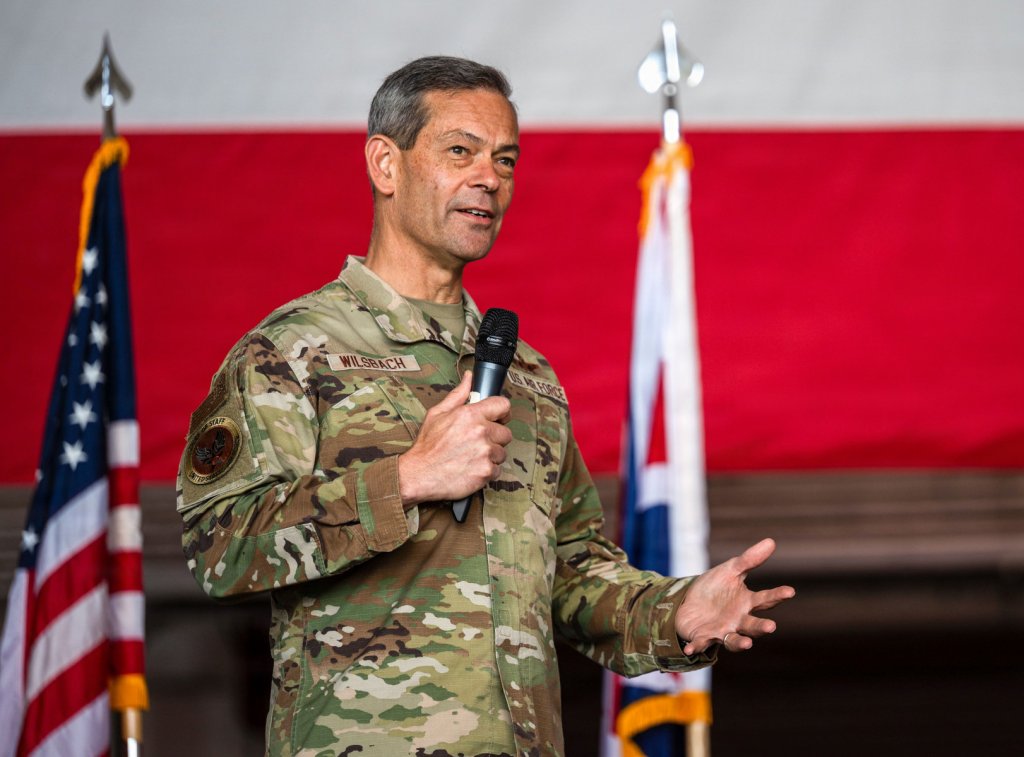
Wilsbach was responding here to a direct question about whether his position on this topic had changed since 2023.
“I’m not a big fan of hardening infrastructure,” Wilsbach, then commander of Pacific Air Forces (PACAF), had said at a roundtable at the Air and Space Forces Association’s main annual symposium that year. “The reason is because of the advent of precision-guided weapons … you saw what we did to the Iraqi Air Force and their hardened aircraft shelters. They’re not so hard when you put a 2,000-pound bomb right through the roof.”
As pointed out earlier, there are different degrees of hardening, not all of which have to rely on permanent infrastructure, and that can add defensive value balanced against cost. Shelters for concealment and to protect against attacks involving drones or submunitions, as well as nearby detonations for strikes by weapons with larger unitary warheads, can be built for far lower cost while still complicating the enemy’s ability to neuter airpower on the ground.
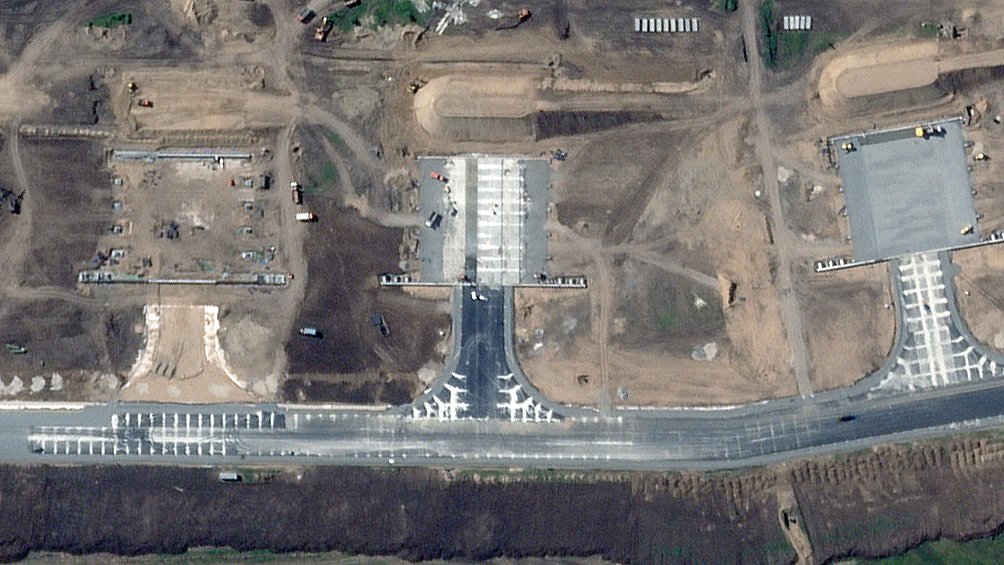
Gen. Wilsbach’s comments, and similar remarks from other U.S. officials, also stand in stark contrast to a very visible global trend when it comes to the construction of new aircraft shelters, hardened and not, including in China, Russia, North Korea, and Iran. Even before Operation Spiderweb, expanding Ukrainian drone and missile attacks had notably prompted Russia to kick off a large-scale push to build new hardened shelters at various bases, especially on the occupied Crimean Peninsula. These efforts now include the construction of huge shelters big enough for bombers, something the country has never done before
“It’s probably most contentious to assert that tanker aircraft should also be under consideration for hardened aircraft shelters, or at least hangars that can cover them from observation,” Timothy Walton, a Senior Fellow at Hudson’s Center for Defense Concepts and Technology and one of the report’s authors, told Breaking Defense for a piece that outlet published yesterday. “But I think in light of what we’ve seen from Operation Epic Fury, it’s necessary.”
Hudson’s latest report certainly underscores how the Air Force’s ability to provide adequate aerial refueling capability in the future requires ensuring the enemy cannot neutralize those critical assets before they can even get off the ground.
Contact the author: joe@twz.com
The post Hardened Shelters Critical To Survival Of USAF’s Tanker Fleet: Study appeared first on TWZ.

