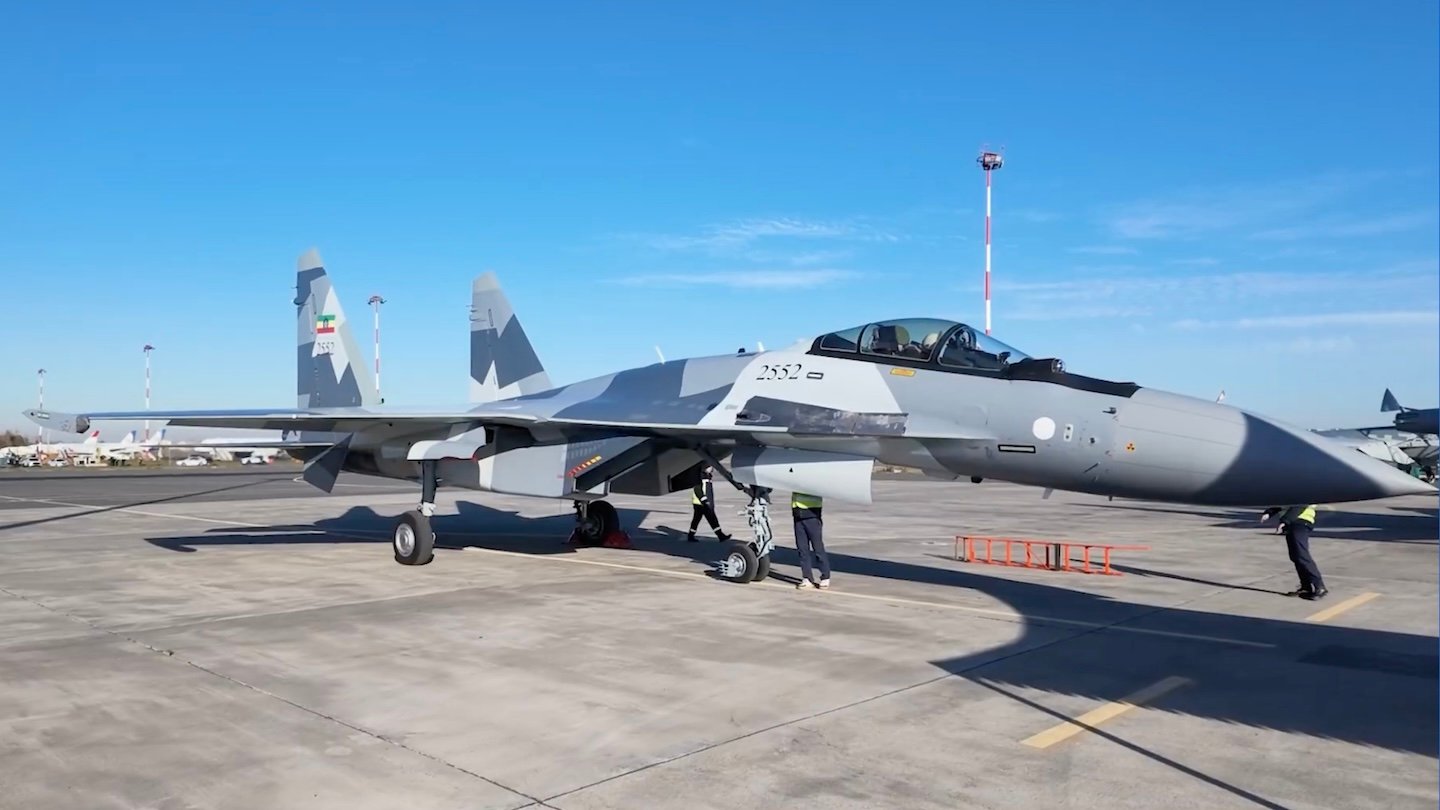
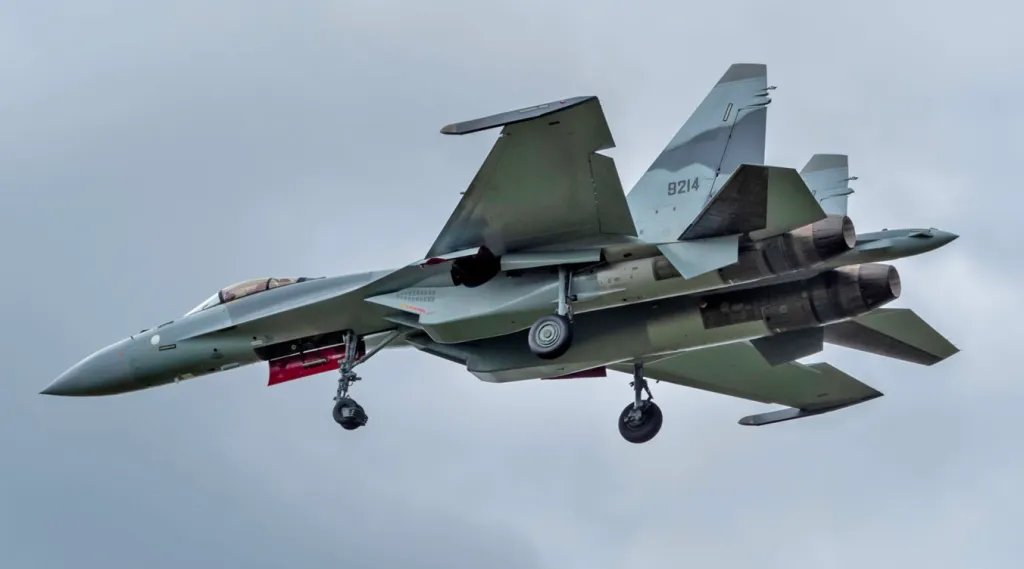
Африкийн эвэр орчмын бүс нутагт аюулгүй байдлын нөхцөл байдал хурцадмал байгаа энэ үед Этиопын тал Оросын үйлдвэрлэлийн байлдааны онгоцуудыг зэвсэглэлдээ нэмлээ.
Этиоп улс ОХУ-д үйлдвэрлэсэн 12 ширхэг Су-35 олон үйлдэлт сөнөөгч онгоцыг хүлээн авснаа Ерөнхий сайд Абий Ахмед аравдугаар сарын 28-нд зарлалаа. Энэхүү нийлүүлэлт нь талуудын байгуулсан гэрээний хугацаанаас нэг жилийн өмнө хийгдсэн бөгөөд Этиопын агаарын цэргийн хүчин чадлыг мэдэгдэхүйц нэмэгдүүлж байна. Мөн тус улс Оросын S-400 агаарын довтолгооноос хамгаалах дөрвөн батарей системийг худалдан авахаар төлөвлөж байгаа ч нийлүүлэлтийн хугацаа тодорхойгүй хэвээр байна.
Москва хотноо болсон Орос-Африкийн гуравдугаар дээд хэмжээний уулзалтын үеэр энэхүү шийдвэр гарсан бөгөөд Абий Ахмед онгоцуудыг түргэн хугацаанд нийлүүлсэнд ОХУ-ын Ерөнхийлөгч Владимир Путинд талархал илэрхийлэв. Гэрээний санхүүгийн нөхцөл, онгоцнуудыг байршуулах газар болон нэмэлт нийлүүлэлтийн талаарх мэдээлэл одоогоор ил болоогүй байна. Этиопын зэвсэгт хүчин өмнө нь Су-27 сөнөөгч онгоц болон 2024 онд хүлээн авсан Су-30К загварын онгоцуудыг ашиглаж ирсэн туршлагатай тул шинэ техник эзэмших үйл явцад дөхөм болох төлөвтэй байна.
ኢትዮጵያ የታጠቀቻቸው አዳዲስ የጦር ጄቶች የአየር ክልሏን ለመጠበቅ ከምን ጊዜውም በላይ ዝግጁ ያደርጋታል! pic.twitter.com/tT3vXFZ4A0
— Abiy Ahmed Ali (@AbiyAhmedAli) October 28, 2026
Pictures of soviet made Su-25UB close ground attack jet and Su-27/UB multirole fighters jets of the Ethiopian
Air Force during a exhibition at the Harar Meda air base in late June 2022.
*We can also see what it seems to be R-27 and R-23 air to air missiles (3rd and 4th frames) pic.twitter.com/1TQBh7V4J7— Hammer Of War (@HammerOfWar5) December 25, 2022
Video showing russian made Su-30 multirole fighters jets of the Ethiopian
— Hammer Of War (@HammerOfWar5) October 21, 2026
Interesting report indicating Algeria has purchased at least some of the Russian Su-35s originally built for Egypt and later reported to be sought by Iran.https://t.co/0soV9aOopn
— John Hardie (@JohnH105) April 9, 2025
Permanent Mission of the Islamic Republic of Iran to the UN announced on Friday that Iran has finalized buying #Sukhoi fighter jets from Russia.
Here is what Iran has purchased: pic.twitter.com/aw7EVkc18N
— IRNA News Agency ☫ (@IrnaEnglish) March 11, 2023
Дэлгэрэнгүйг эх сурвалжаас харах
Эх сурвалжийг нээх ↓
In a surprising development, Ethiopia has taken receipt of 12 Russian-made Su-35 multirole fighters, Prime Minister Abiy Ahmed announced, adding a significant new capability to the Ethiopian Air Force. The agreement also calls for four batteries of Russia’s S-400 surface-to-air missile system, although their delivery schedule remains unclear.
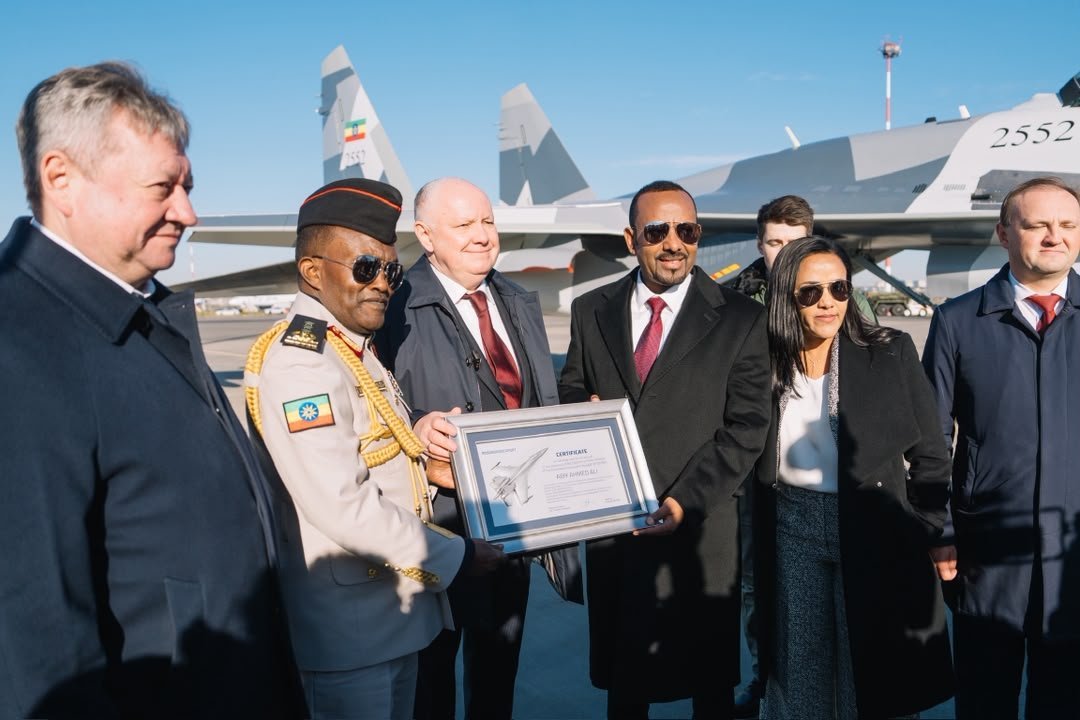
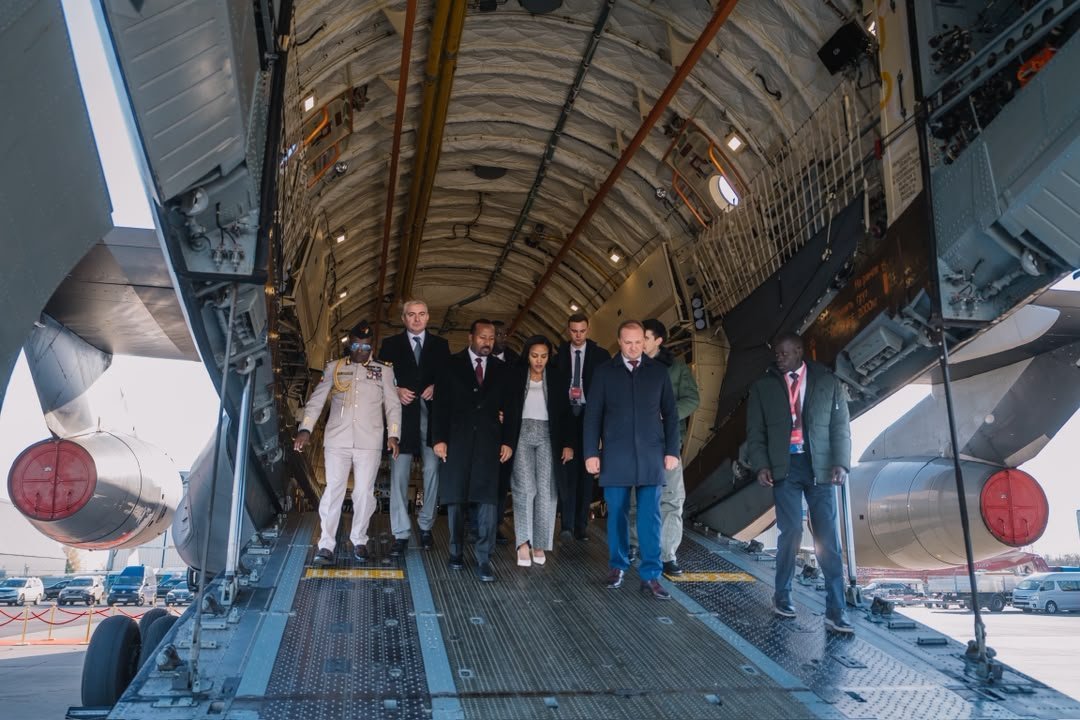
Abiy said the fighters arrived a year ahead of schedule under an agreement with Moscow and thanked Russian President Vladimir Putin for facilitating the accelerated delivery. The financial terms of the deal, the aircraft’s basing locations, and whether additional fighters are included in the agreement have not been disclosed. The Ethiopian leader announced the development on his X account, also posting photos and a video showing himself and other Ethiopian and Russian officials alongside two of the jets. The location appears to have been the third Russia-Africa Summit, taking place in Moscow on October 28-29.
The acquisition comes as Ethiopia seeks to strengthen its military capabilities amid persistent domestic security challenges and tensions across the Horn of Africa.
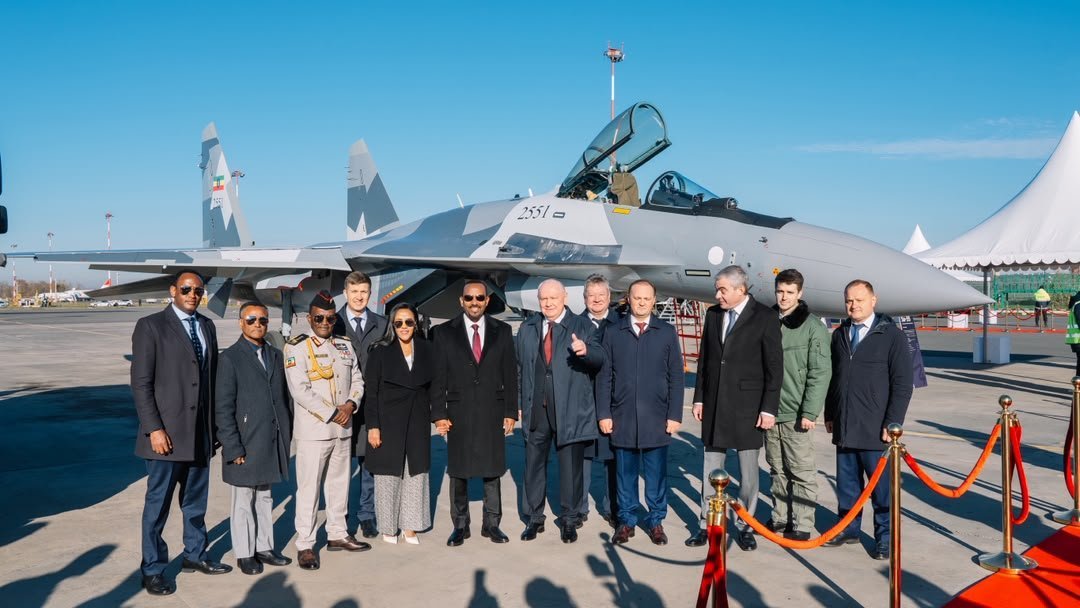
The Su-35 is a heavily modernized derivative of the Soviet-era Su-27, known by NATO as the Flanker. It combines twin thrust-vectoring engines for a high degree of maneuverability, advanced radar and other sensors, and the ability to carry a range of air-to-air and air-to-surface weapons.
Its radar and long-range air-to-air missile capabilities, in particular, represent a notable improvement for Ethiopia’s ability to detect and engage hostile aircraft, while its multirole design allows it to perform a wide range of strike missions.
Ethiopia already operates Russian-designed Su-27 fighters, providing a considerable degree of familiarity with the Flanker family. The current fleet comprises around 10 (and perhaps as many as 15) secondhand Su-27s, including two-seaters, supplemented in 2024 by a pair of Su-30Ks. The latter were originally produced for India as interim equipment, and then ended up in storage in Belarus before being refurbished and delivered to Ethiopia. The Ethiopian Flankers saw action against Eritrean opposition in the 1990s, and there have also been a handful of non-combat attrition losses.
Pictures of soviet made Su-25UB close ground attack jet and Su-27/UB multirole fighters jets of the Ethiopian
*We can also see what it seems to be R-27 and R-23 air to air missiles (3rd and 4th frames) pic.twitter.com/1TQBh7V4J7— Hammer Of War (@HammerOfWar5) December 25, 2022
Video showing russian made Su-30 multirole fighters jets of the Ethiopian
— Hammer Of War (@HammerOfWar5) October 21, 2026
However, introducing the Su-35 will still require specialized pilot training, additional maintenance infrastructure, weapons integration, and a dependable supply of spare parts. The latter, in particular, is something that Moscow has not always been able to guarantee in practice.
The planned acquisition of four S-400 batteries could prove equally significant.
The S-400 is a mobile air-defense system designed to engage aircraft, cruise missiles, and certain ballistic missile threats.
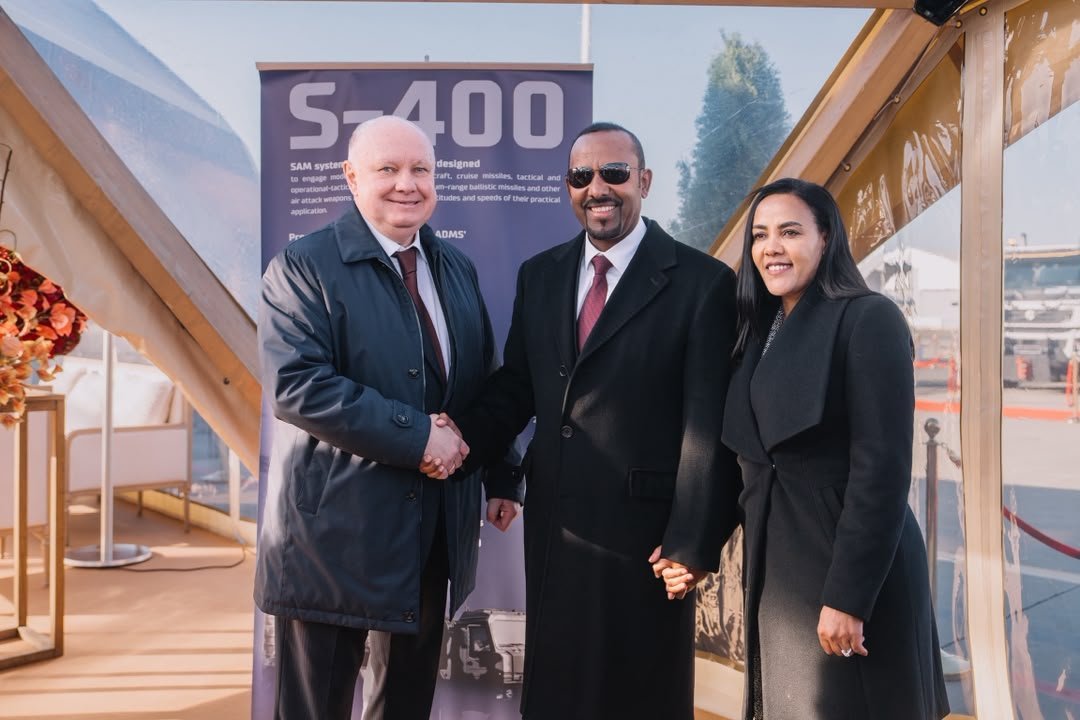
If delivered, the systems would considerably strengthen Ethiopia’s ability to protect military installations, critical infrastructure, and other strategic sites against aerial attack.
Ethiopia occupies a strategically important position in the Horn of Africa, bordering Eritrea, Djibouti, Somalia, South Sudan, and Sudan. Its security environment includes various unresolved regional tensions, longstanding border disputes, and internal armed conflicts.
Ethiopia’s relationship with Eritrea remains particularly relevant given their history of war and continuing tensions. Relations with Egypt and Sudan are also shaped by disputes over the Nile.
Abiy has presented the acquisition as a means of deterring aggression and strengthening national sovereignty.
At the same time, the delivery reinforces Russia’s position as a supplier of advanced military equipment to African countries. Russian exports to the continent have included combat aircraft, helicopters, armored vehicles, and ground-based air-defense systems.
Su-35s, specifically, have previously been delivered to Algeria, a long-term recipient of Russian military equipment on the African continent, as you can read about here.
The Algerian jets are understood to have originated in a batch of Su-35s built for Egypt, which had ordered 24. However, the planned transfer to Egypt fell through, under the threat of U.S. sanctions and a teased offer of F-15s. In particular, Washington had said it would put sanctions on Cairo under the Countering America’s Adversaries Through Sanctions Act (CAATSA).
CAATSA includes provisions for sanctions against parties found to have knowingly engaged in significant transactions with Russia’s defense or intelligence sectors. Washington previously invoked the provision against China over its acquisition of Su-35 fighters and S-400-related equipment, although any action against Ethiopia would depend on a separate U.S. determination.
The Su-35s built for Egypt were repeatedly connected with a sale to Iran, but this also never materialized.
Potentially, the 12 jets for Ethiopia could also have been left over from the abandoned Egyptian deal.
For Moscow, the deal provides a prominent example of continued defense cooperation with an important country in the Horn of Africa. The transfer also comes amid broader efforts by Russia and African governments to deepen political, economic, and military ties.
The agreement’s cost and financing arrangements have not been made public, leaving questions about the long-term expense of operating the fighters and maintaining their supporting infrastructure.
The deal also needs to be seen in the context of Russia’s war in Ukraine.
Russia’s full-scale invasion of Ukraine, and the subsequent international sanctions, have hampered efforts to secure sales for any kind of military equipment, other than to a handful of selected close allies, with little prospect that this will change any time soon. Amid those same sanctions, as well as Moscow’s increasing pariah status, any kind of export success will be very welcome for Moscow, even if it involves jets previously built for another customer.
At the same time, the ability of the Russian defense industry to provide in-service support for these jets, once they are delivered, is even more questionable than it was in the past. Since the invasion, Moscow’s need to prioritize its own forces, combined with Western sanctions restricting access to key components, has further complicated the situation. For Ethiopia, any disruption to parts deliveries or maintenance support could have an outsized impact on operational readiness, and this is compounded by the requirement of Russian industry to support Moscow’s own Su-35S jets, its primary fighter.
Ultimately, the acquisition represents a substantial reported addition to Ethiopia’s combat aircraft fleet. The planned S-400 systems could extend that modernization into ground-based air defense, and further influence the military balance in the Horn of Africa region.
Contact the author: thomas@thewarzone.com
The post Ethiopia Gets 12 Russian Su-35 Fighters, Eyes S-400 Air Defenses appeared first on TWZ.

