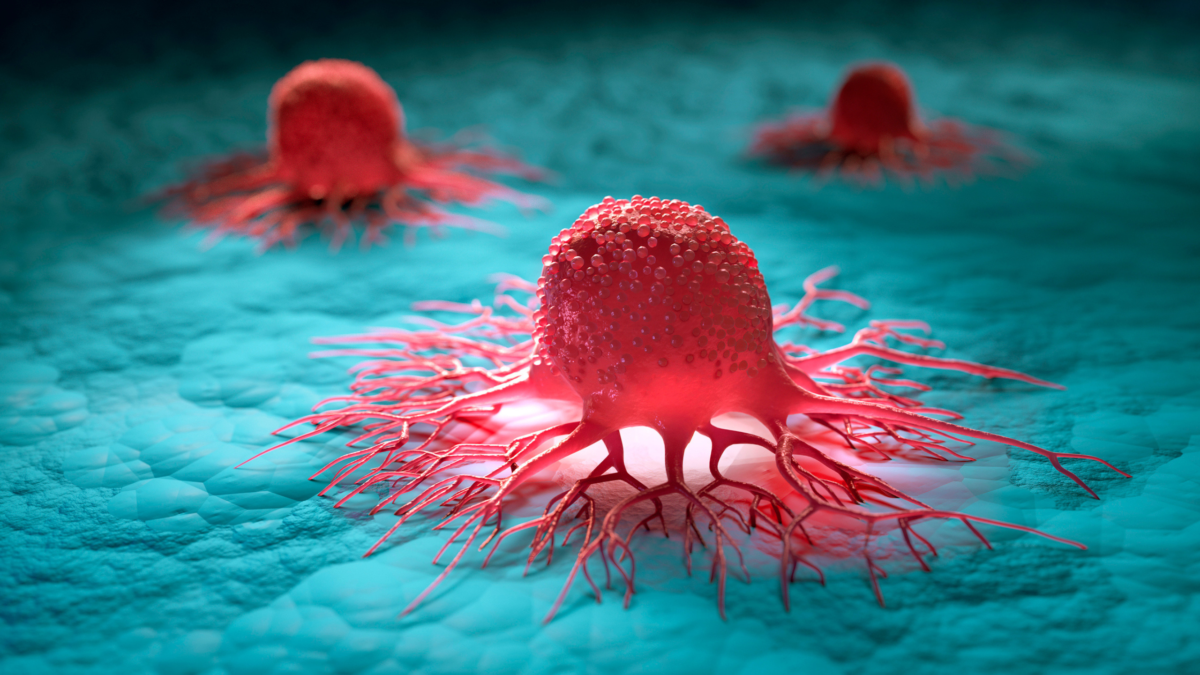
Enhertu болон туршилтын эсрэгбие хавдрыг арилгасны дараа хулганууд ижил хавдрын эсийг дахин тарихад тэсвэртэй байсан ч хүний үр нөлөө, аюулгүй байдал хараахан тогтоогдоогүй байна.
АНУ-ын биотехнологийн Regeneron Pharmaceuticals компанийн судлаачид хавдрын эсрэг эмийг дархлааны эсийг идэвхжүүлэх туршилтын эсрэгбиетэй хослуулан хулганад туршжээ. Хулгануудыг хөхний эсвэл бүдүүн гэдэсний хавдрын эсээр суулгасан бөгөөд хавдрын эсрэг эмийн судалгаанд ашиглах зорилгоор өөрчилсөн байв. Enhertu (трастузумаб дерукстекан) нь HER2 уурагтай холбогдон эсийг устгах эм хүргэдэг бол туршилтын хоёр бай-тай эсрэгбие нь хавдрын эс болон T эсийн CD28 уурагтай холбогдож, дархлааны эсийг идэвхжүүлдэг.
Хөхний хавдрын эхний туршилтаар Enhertu-г дангаар хэрэглэхэд хулгануудын талаас цөөнд хавдар бүрэн арилсан бол эмийг эсрэгбиетэй хослуулсан 9 хулганы хавдар бүгд арилжээ. Дор хаяж дөрвөн долоо хоног хавдаргүй байсан амьтдад ижил хавдрын эсийг дахин тарихад тэд эмчилгээгүйгээр уг эсүүдийг эсэргүүцсэн. Харин HER2 уурагтай ч өөр төрлийн бүдүүн гэдэсний хавдар хулганад ургасан нь дархлааны хариу зөвхөн HER2-г бус, тухайн хавдрын бусад шинжийг таньсан байж болохыг харуулжээ.
EGFR уургийг онилдог, хүний 1/2-р шатны туршилтад орсон эсрэгбиеийг Enhertu-тэй хослуулахад Enhertu дангаараа үйлчлэхэд тэсвэртэй хөхний хавдрын загварт хулгануудын ойролцоогоор 75 хувьд хавдар татгалзсан байна. Тэр эсрэгбиеийг бүдүүн гэдэсний хавдар болон бусад хавдарт хэрэглэдэг 5-фторурацилтай хослуулахад дангаар нь бага нөлөөтэй байсан хоёр эм хавдрын өсөлтийг сааруулжээ. Энэ үр дүнд CD8 T эс болон байгалийн устгагч (NK) эсүүд оролцсон бөгөөд судлаачид мөн T эсийн идэвхжил, хавдрыг таних рецепторын олон янз байдал болон хавдрын хэсгүүдийг T эсэд үзүүлдэг дендрит эсийн өөрчлөлтийг ажигласан.
Зарим хослол эмийн бага тунгаар эсвэл хими эмчилгээг цөөн давтамжтай хийхэд үйлчилсэн ч өвчтөнд батлагдвал л эмчилгээний ачааллыг бууруулах боломжтой. Хулганы загвар хүний уушги, гэдэс, зүрх, арьсанд гарч болзошгүй гаж нөлөөг бүрэн харуулахгүй тул үр нөлөө, аюулгүй байдлыг хүмүүст цаашид үнэлэх шаардлагатай. Судалгааг Regeneron санхүүжүүлсэн; зохиогчид тус компанийн одоогийн эсвэл өмнөх ажилтнууд бөгөөд ажилтай холбоотой урьдчилсан патентын хүсэлт гаргасан байна. Судалгаа Nature Communications сэтгүүлд нийтлэгджээ.
Дэлгэрэнгүйг эх сурвалжаас харах
↓Эх сурвалжийг нээх ↓
Your immune system has a memory. It can recognize some microbes it has encountered before and respond quickly when they return. Could that memory also be strengthened against cancer?
Anew studycombining a cancer-killing drug with an experimental antibody produced evidence of that protection in mice. After their tumors disappeared, the animals resisted another injection of the same cancer cells weeks later, without further treatment.
Researchers at Regeneron Pharmaceuticals, a US biotechnology company, wanted to strengthen cancer treatment by helping the immune system join the attack.
One part of the first combination was an established cancer drug. Sold as Enhertu, trastuzumab deruxtecan consists of an antibody carrying a cell-killing payload. The antibody binds to a growth-related protein called HER2, helping deliver that payload to cells carrying the protein.
Enhertu is already used for certain breast, stomach, and other cancers, depending on the tumor’s characteristics and previous treatments. The experimental antibody added in this study had a different job: supporting immune cells that attack tumors.
Those defenders include T cells, which can recognize and kill cancer cells. An effective response generally requires both recognition of a target and an additional activation signal.
The experimental antibody binds to two different targets. One part attaches to a protein on tumor cells, while the other engages an activation protein on T cells called CD28. This two-target design makes it a “bispecific” antibody.
The researchers tested the combinations in mice carrying engineered mouse breast or colorectal tumors. The animals expressed human CD28 and modified versions of selected treatment targets. For HER2 and another growth-related protein, EGFR, the exposed outer portions were human, while the membrane-spanning and inner portions remained mouse. Tumor cells were also engineered to display the relevant targets.
In the initial breast cancer tests, the cancer drug alone produced complete tumor responses in fewer than half the mice, even at the highest dose tested. Combined with the experimental antibody, it eliminated tumors in all nine mice receiving both treatments.
The researchers then asked whether protection would last. After mice had remained tumor-free for at least four weeks, the team injected the same breast cancer cells again. The animals rejected them without additional treatment.
Another comparison helped reveal what their immune systems remembered. A different colorectal tumor grew in the previously treated mice, even though its cells also carried HER2. That suggested the protection recognized other features of the original cancer beyond the shared protein.
Removing a cancer-killing group of T cells, known as CD8 T cells, completely abolished the initial combination’s benefit, showing these cells were essential to its success.
The team also tested an experimental antibody targeting EGFR, already in early-stage (phase 1/2) human trials. Combined with Enhertu, it produced tumor rejection in about 75 percent of mice in a breast tumor model more resistant to Enhertu alone.
The same antibody also worked with the chemotherapy drug fluorouracil, or 5-FU, already used for colorectal and other cancers. Together, the treatments slowed colorectal tumor growth when either treatment alone had little effect.
This combination relied on both CD8 T cells and another cancer-killing population, called natural killer, or NK, cells. The treatment retained some activity when either population was absent. Its benefit disappeared entirely when both were missing.
To investigate theimmune response against cancer, the researchers examined cells inside tumors and analyzed gene activity. The combinations increased active T cells while preserving less mature cells that could support future responses.
They also increased the diversity of the receptors T cells use to recognize targets, potentially helping them recognize more features of the cancer.
Enhertu increased and activated dendritic cells, which show pieces of tumor material to T cells. In mice genetically engineered to lack a particular group of these cells, the Enhertu–antibody combination completely lost its effectiveness.
The chemotherapy drug worked differently. It shifted other immune cells toward supporting an attack and reduced populations that suppress it.
Some combinations remained effective with lower drug doses or less frequent chemotherapy, potentially reducing treatment burden if confirmed in patients.
The mouse models cannot reproduce the full range of side effects people may experience, including damage to the lungs, gut, heart, and skin. Effectiveness and safety in humans require further evaluation.
Regeneron funded the research. All authors are current or former employees, and provisional patent applications related to the work have been filed.
The research has been published in Nature Communications.
This article was fact-checked by Fiona MacDonald and edited by Fiona MacDonald. While we pride ourselves on our process, we are only human. If you spot a mistake, please let us know.

