
Эртний галт уулын үнсэн давхаргын дунд хадгалагдан үлдсэн уг олдвор нь тус бүс нутгийн шувуудын хувьслыг судлах чухал баримт болж байна.
Шинэ Зеландын Хойд арлын Вайтомо орчмын агуйгаас 1.55 сая болон 1 сая жилийн өмнөх галт уулын дэлбэрэлтийн үнсэн давхаргын хооронд хадгалагдсан эртний амьтдын чулуужсан яс олджээ. Кентерберийн музейн судлаачдын мэдээлснээр, энэхүү олдвор нь тус улсын нутаг дэвсгэрээс олдсон сая жилийн настай анхны томоохон цуглуулга бөгөөд 12 төрлийн шувуу, дөрвөн төрлийн мэлхийн үлдэгдлийг багтаасан байна.
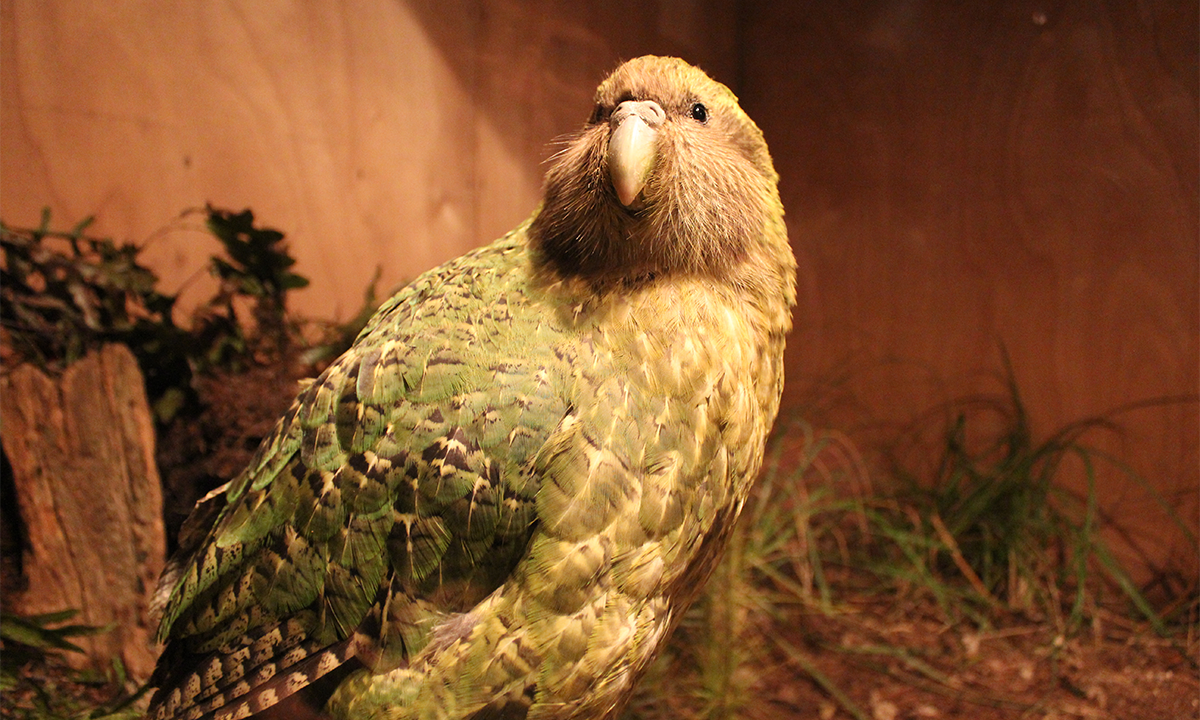
Олдворуудын дунд өнөө цагийн нисдэггүй тоть болох какапогийн өвөг болох “Strigops insulaborealis” хэмээх шинэ зүйл тоть багтаж байгаа нь эрдэмтдийн анхаарлыг ихэд татаж байна. Судалгааны багийнхны таамаглаж буйгаар, энэхүү эртний тоть нь өнөөгийн какапог бодвол хөл нь сул хөгжилтэй байсан тул авирах чадвар муутай, магадгүй нисэх чадвартай байсан байж болзошгүй гэж үзжээ.
Энэхүү агуй нь хүн төрөлхтөн Шинэ Зеландад ирэхээс өмнөх үеийн шувуудын бүлгэмдлийн талаарх ховор баримт болж байна. Судалгааны үр дүнгээс үзэхэд, сүүлийн нэг сая жилийн хугацаанд байгалийн хүчин зүйлс, галт уулын дэлбэрэлт болон уур амьсгалын өөрчлөлтөөс шалтгаалан тухайн үеийн амьтдын 33-50 хувь нь мөхсөн байж болзошгүй ажээ.
Тус олдвор нь урьд өмнө нь судлахад хүндрэлтэй байсан 1 сая жилийн өмнөх үеийн экосистемийн талаарх мэдээллийг нөхөж, Шинэ Зеландын шувуудын хувьсал болон амьдрах орчны өөрчлөлтийг ойлгоход чухал суурь үзүүлэлт болж байна. Энэхүү нээлт нь тухайн бүс нутгийн биологийн олон янз байдал хэрхэн бүрэлдэн тогтсоныг дахин дүгнэх боломжийг олгож байна.
Дэлгэрэнгүйг эх сурвалжаас харах
↓Эх сурвалжийг нээх ↓
A cave near Waitomo on Aotearoa New Zealand’s North Island held fossil bones sealed between two volcanic ash layers, one from an eruption 1.55 million years ago and another from a massive eruption about 1 million years ago. That protected slice of cave sediment has now given researchers a rare view of birds and frogs that lived long before people reached the islands.
The fossils, described by Canterbury Museum as the first large collection of million-year-old fossils found in Aotearoa New Zealand, include remains from 12 ancient bird species and four frog species. Among them is an ancient relative of the kākāpō, the large flightless parrot still living today.
A Cave Dated by Ancient Eruptions
The Waitomo cave fossils are important because they were found in sediment bracketed by two datable ash layers. The older layer comes from an eruption 1.55 million years ago, while the younger layer comes from a much larger eruption about 1 million years ago. That volcanic timing allowed scientists to place the fossil animals within a much older part of New Zealand’s natural history than most cave fossil finds.
The older ash layer also shows that the site is the oldest known cave in the North Island, according to Canterbury Museum. The younger eruption would have covered much of the North Island in metres of volcanic ash. Although most of that ash was later washed away, the cave preserved traces of the event along with the bones of animals that lived in the surrounding landscape.
This makes the cave more than a fossil deposit. It is a natural archive of a period that has been hard to study in New Zealand. Canterbury Museum Senior Curator of Natural History Dr Paul Scofield said earlier work at St Bathans in Central Otago has shown what life was like between 20 million and 16 million years ago, but the long stretch between that period and about 1 million years ago has been poorly represented in the fossil record.
A New Ancient Relative of the KāKāPō
Among the most important finds is a newly described parrot species named Strigops insulaborealis. In the published study, researchers identify it as a kākāpō ancestor, linked to the modern kākāpō, a heavy, flightless parrot known for climbing rather than flying. The fossil bones suggest this older relative had weaker legs than the living kākāpō, meaning it may not have climbed as well.
This difference suggests that the ancient parrot did not live exactly like the modern kākāpō. The researchers say the bird may have been able to fly, but they do not present that as a confirmed conclusion. More research is needed before scientists can say whether this older member of the kākāpō line was flighted or flightless.
The cave also produced fossils from an extinct ancestor of the modern takahē. That gives researchers another point of comparison for tracing how New Zealand’s distinctive birds changed over time. The collection also includes an extinct pigeon species closely related to Australian bronzewing pigeons, showing that the million-year-old bird community differed from the fauna known from more recent times.
A Lost Bird Community Before Humans Arrived
The fossils point to major wildlife turnover before people reached Aotearoa New Zealand about 750 years ago. The researchers estimate that about 33% to 50% of species went extinct during the million years before human arrival. They link those losses to natural pressures, including relatively rapid climate shifts and cataclysmic volcanic eruptions.
That finding adds an older chapter to New Zealand’s extinction story. Human arrival later brought severe impacts for many native birds, but this cave shows that some major changes had already happened long before then. The North Island’s animal life had been reshaped by environmental forces across hundreds of thousands of years.
In a Flinders University release, Trevor Worthy described the fossils as evidence of a newly recognized bird fauna for New Zealand. In plain terms, the cave preserves a lost bird community that no longer exists. Some of its members were related to living species, while others belonged to extinct lines that disappeared before people could ever have seen them.
Changing Habitats Reshaped Island Life
The researchers connect the fossil evidence to changes in forest and shrubland habitats. Scofield said shifts in those habitats forced a reset of bird populations. According to the team’s interpretation, that reset helped drive later evolutionary diversification among birds and other animals in the North Island.
For general readers, the importance of the find is that it gives scientists a baseline from a missing interval. A baseline is a reference point that helps researchers compare one period with another. Without fossils from around 1 million years ago, it was harder to know how much New Zealand’s wildlife changed before the better-known recent fossil record.
The cave near Waitomo now provides evidence from that gap. It preserves birds, frogs, volcanic ash, and signs of ecological change from about a million years ago in one site. The study is titled “The first Early Pleistocene (ca 1 Ma) fossil terrestrial vertebrate fauna from a cave in New Zealand reveals substantial avifaunal turnover in the last million years.”
Enjoyed this article? Subscribe to our free newsletter for engaging stories, exclusive content, and the latest news.

