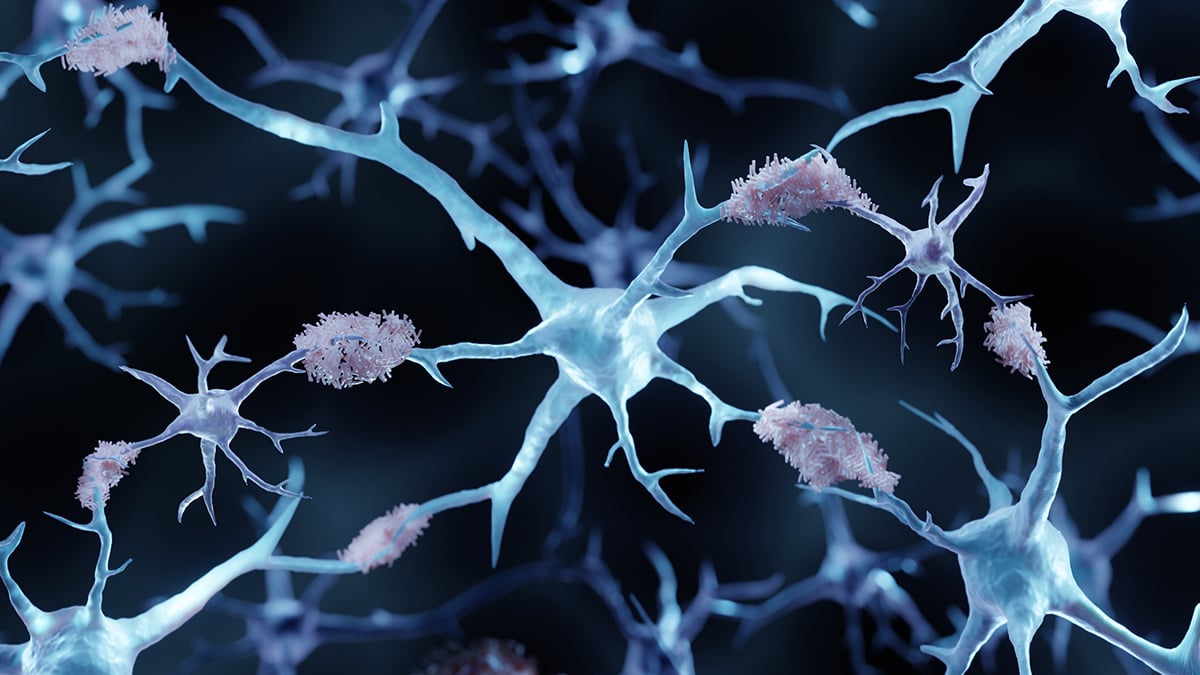
Австралийн судлаачид Cu(ATSM) нэгдлийг ашиглан тархины хорт уургийг цэвэрлэх замаар Алцгеймер өвчнийг эмчлэх боломжтойг хулгана дээр хийсэн туршилтаар тогтоожээ.
Монаш их сургууль болон Мельбурны их сургуулийн судлаачид тархины хорт хаягдлыг гадагшлуулах тогтолцоог сайжруулах чиглэлээр судалгаа хийжээ. Алцгеймер өвчтэй хүмүүсийн тархинд хуримтлагддаг амилоид-бета уургийн бөөгнөрлийг гадагшлуулахад P-glycoprotein (P-gp) хэмээх тээвэрлэгч уураг чухал үүрэгтэй бөгөөд өвчний явцад түүний идэвхжил буурдаг байна. Судлаачид зэс агуулсан Cu(ATSM) нэгдлийг ашигласнаар тархины энэхүү цэвэрлэгээний уургийн хэмжээг нэмэгдүүлж болохыг илрүүлжээ.
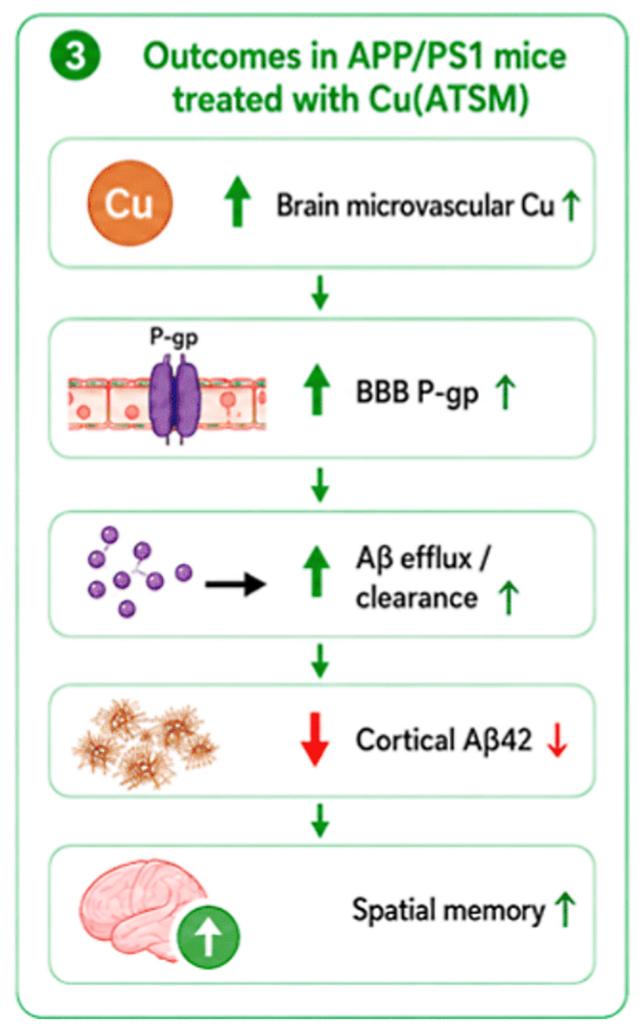
Судалгааны үр дүнд Cu(ATSM) эмчилгээ хийлгэсэн хулгануудын тархинд амилоид-бета уургийн хэмжээ 42 хувиар буурч, орон зайн баримжаалах ой санамж нь 44 орчим хувиар сайжирсан байна. Монаш их сургуулийн судлаач Жэ Пюн энэхүү нэгдэл нь цус-тархины хоригийг сэргээж, хорт уургийг бууруулан танин мэдэхүйн үйл ажиллагааг сайжруулж байгааг онцолжээ.
Гэсэн хэдий ч энэхүү үр дүнг хүний эмчилгээнд шууд хэрэглэх боломжгүй бөгөөд цаашид клиник туршилтууд шаардлагатай байна. Тухайлбал, Cu(ATSM) нь амьтны загвар дээр эерэг үр дүн үзүүлсэн ч хүний ALS өвчний эмчилгээнд мэдэгдэхүйц ач тус өгөөгүй болох нь өмнөх судалгаагаар тогтоогдсон юм. Судлаачид зэсийн нэгдлийн аюулгүй байдал болон эрхтэн тогтолцоонд үзүүлэх нөлөөг нарийвчлан судлах шаардлагатай гэж үзэж байна.
Энэхүү судалгааны үр дүнг ACS Chemical Neuroscience сэтгүүлд нийтэлсэн бөгөөд цаашид Алцгеймер өвчний эрт үеийн шинж тэмдэгтэй хүмүүст эмчилгээний зориулалтаар ашиглах боломжийг судлах нь зүйтэй гэж эрдэмтэд дүгнэжээ. Энэ нь тархины хорт хаягдлыг цэвэрлэх механизмыг сэргээх замаар эмчилгээний шинэ стратеги боловсруулах үндэс болж байна.
Дэлгэрэнгүйг эх сурвалжаас харах
↓Эх сурвалжийг нээх ↓
Clearing out harmful waste is one of the brain’s most important jobs, and when those clearance systems weaken, damage and disease can quickly set in.
Fixing these systems could be an effective way of treating Alzheimer’s, and researchers from Monash University and the University of Melbourne in Australia have identified a suitable candidate to carry out the repair work.
They used a copper-containing compound called Cu(ATSM), which has already reached clinical testing for other neurodegenerative conditions.
When tested in mouse models of Alzheimer’s, Cu(ATSM) was shown to reduce the buildup of amyloid–beta protein clumps that often accumulate in the brains of people with Alzheimer’s.
The long-term spatial memory of the mice, which they use to navigate the world, improved notably as well.
And the specific way Cu(ATSM) works is worth digging into further, because it could have benefits for treating other neurodegenerative conditions.
The brain needs copper to stay healthy, and an imbalance of it has been linked to Alzheimer’s.
“Cu(ATSM) is a copper compound with anti-inflammatory and neuroprotective properties that has already progressed to clinical testing for conditions like Parkinson’s and ALS,” says pharmaceutical scientist Joseph Nicolazzo, from Monash University.
One protein involved in the brain’s waste cleanup is P-glycoprotein (P-gp), a transporter that helps move amyloid-beta out of the brain via the blood-brain barrier. Its abundance and activity can decline in Alzheimer’s disease.
In this case, the delivery of Cu(ATSM) targeted P-gp waste-clearing pumps.
What the researchers wanted to do was get P-gp levels back up to normal using the copper compound, which would then pump more amyloid beta out of the brain.
And it worked.
The amount of P-gp increased in the brains of the treated mice, levels of the most toxic kind of amyloid beta dropped 42 percent, and spatial memory performance improved by almost 44 percent across the 56 days of the study.
“This is the first study to show that Cu(ATSM) can increase the abundance of P-gp clearance pumps in an Alzheimer’s model, by 24.1 percent,” says pharmaceutical scientist Jae Pyun, from Monash University.
“Effectively linking the repair of the blood-brain barrier to a reduction in toxic proteins and improved cognitive function.”
As promising as these results are, there are many more steps to take before we can confirm this will work as an effective Alzheimer’s treatment – not least by testing this approach in humans with the disease, rather than in animal models.
Notably, despite its promising results in animals, a pilot comparative analysis found that Cu(ATSM) provided no significant benefit to humans with ALS.

The researchers are also keen to take a closer look at the mechanisms used to clear amyloid beta from the bloodstream and away from the brain.
Understanding these mechanisms will be essential for developing safe treatments, and it’s worth noting that copper levels in the treated mice rose throughout the body – though not to levels thought to be dangerous.
“These increases in copper bioavailability are unexpected to have led to any toxicity in our studies, consistent with our observations,” write the researchers in their published paper.
“Future work in Alzheimer’s disease models should incorporate standard organ toxicity readouts and copper-dependent enzyme and oxidative stress panels to contextualize benefit-risk.”
The evidence is clear that Alzheimer’s is a complicated disease, which most likely has multiple causes and consequences all tangled up with each other.
That partly explains why some past treatments targeting amyloid beta have been less successful than expected.
Related: Scientists Found 2 Existing Drugs Could Reverse Alzheimer’s Brain Damage in Mice
However, piece by piece, researchers are putting together the puzzle – and these are encouraging results for the potential of Cu(ATSM) for being able to help the tens of millions of people around the world with Alzheimer’s.
“Because reducing amyloid burden is clinically proven to improve functional outcomes, these preclinical results strongly support the rationale for testing this drug in early symptomatic Alzheimer’s disease,” says Nicolazzo.
The research has been published in ACS Chemical Neuroscience.

