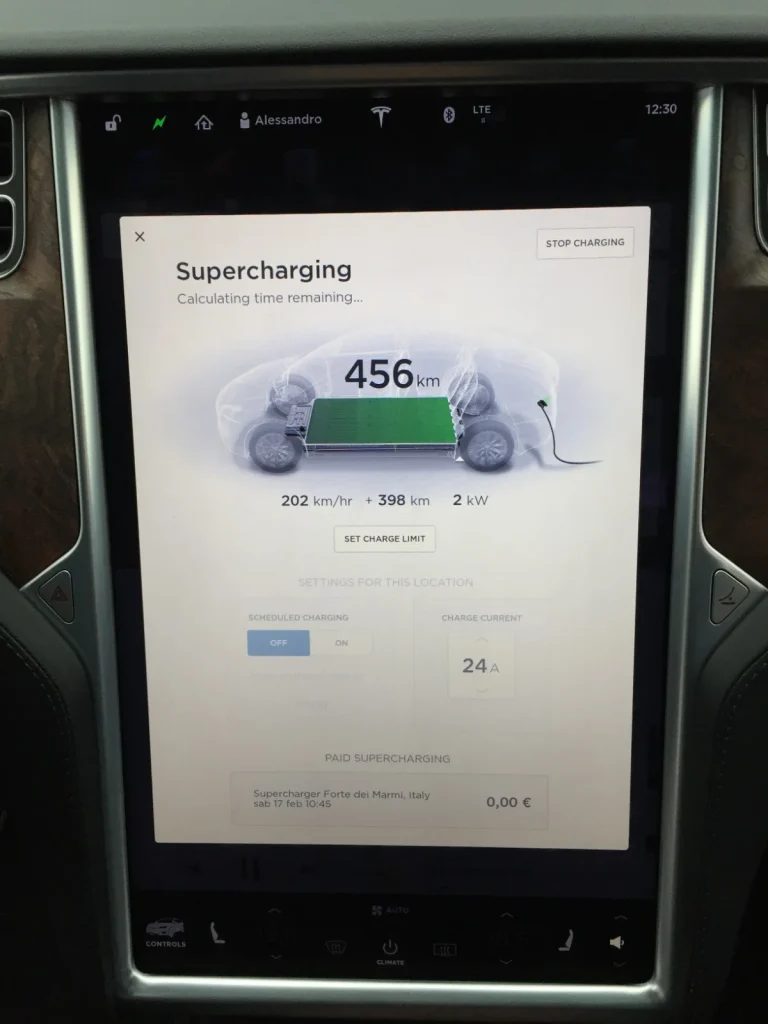
Цахилгаан автомашины цэнэглэлтийн үнэ төлбөргүй үйлчилгээ нь эзэмшигчдэд хэр их хэмнэлт авчирдгийг тооцоолол харуулж байна.
Tesla компани 2012-2017 оны хооронд автомашин худалдан авсан хэрэглэгчиддээ насан туршийн үнэ төлбөргүй Supercharging цэнэглэлтийн эрхийг олгож байсан бөгөөд энэ нь тухайн үед шилжүүлж болох давуу талтай байв. 2017 оны нэгдүгээр сараас эхлэн уг бодлого өөрчлөгдөж, зөвхөн анхны эзэмшигчид хамаарах болсон бол 2018 оноос хойш насан туршийн эрхийг цуцалж, оронд нь богино хугацааны урамшууллыг санал болгох болсон юм.
Жишээ болгон авч үзвэл, жилд 20,000 миль туулдаг хэрэглэгч 2018 оны зургадугаар сараас 2026 оны зургадугаар сар хүртэлх найман жилийн хугацаанд цэнэглэлтэд 19,000 ам.доллар зарцуулах тооцоо гарчээ. Энэхүү тооцоололд жил бүрийн цэнэглэлтийн тарифын өсөлтийг тусгасан бөгөөд хэрэв тухайн хэрэглэгч үнэ төлбөргүй цэнэглэх эрхтэй Tesla Model X загварыг хадгалсан бол энэ зардлыг тэглэх боломжтой байв.
Цахилгаан автомашины технологийн түүхэнд 1830-аад оны анхны загваруудаас эхлээд 2008 оны Tesla Roadster, 2010 оны Nissan Leaf зэрэг загварууд салбарын хөгжлийг тодорхойлж ирсэн. Өдгөө дэлхий даяар цахилгаан автомашины борлуулалт 10 сая давж, хатуу төлөвт батерейны туршилтын шатны технологиуд нь илүү өндөр нягтралтай, хурдан цэнэглэлтийг амлаж байна.
Дэлгэрэнгүйг эх сурвалжаас харах
↓Эх сурвалжийг нээх ↓
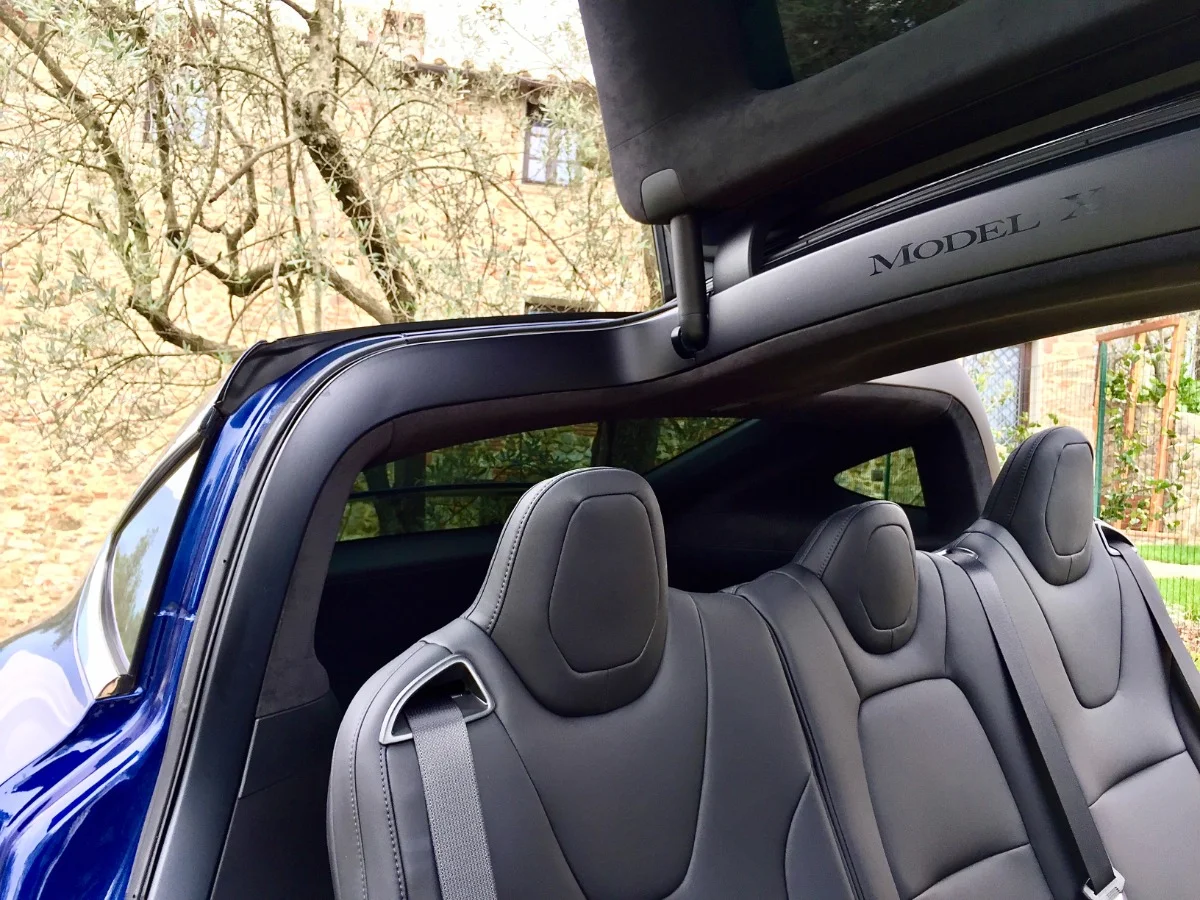
A few years ago, I was able to use free Supercharging for three weeks on my Tesla Model X.
I saved a ton of cash, but that raises a very good question.
What if I had free lifetime Supercharging? How much could I have saved?
So I did the math, and the result is shocking.
Free Tesla Supercharging is a thing
Free Supercharging is absolutely a thing.
At various points, Tesla has offered free Supercharging as an incentive to buy the car, for months, years, and, in some cases, forever.
Between 2012 and 2017, some owners were able to buy a Tesla with free Supercharging for the lifetime of the vehicle, and it was transferable.
Then, in January 2017, they changed their policy to ‘lifetime of the original owner’.
As in, you buy the car and get free Supercharging, but the person you sell the car to won’t.
Then, in 2018, they changed their policy again and ended the standard lifetime access, shifting mostly to short-term delivery incentives.
Like three months or six or, in rare cases, even 36 months – so basically three years.
I no longer have that Tesla Model X, but what if I still did, and what if I still had free Supercharging?
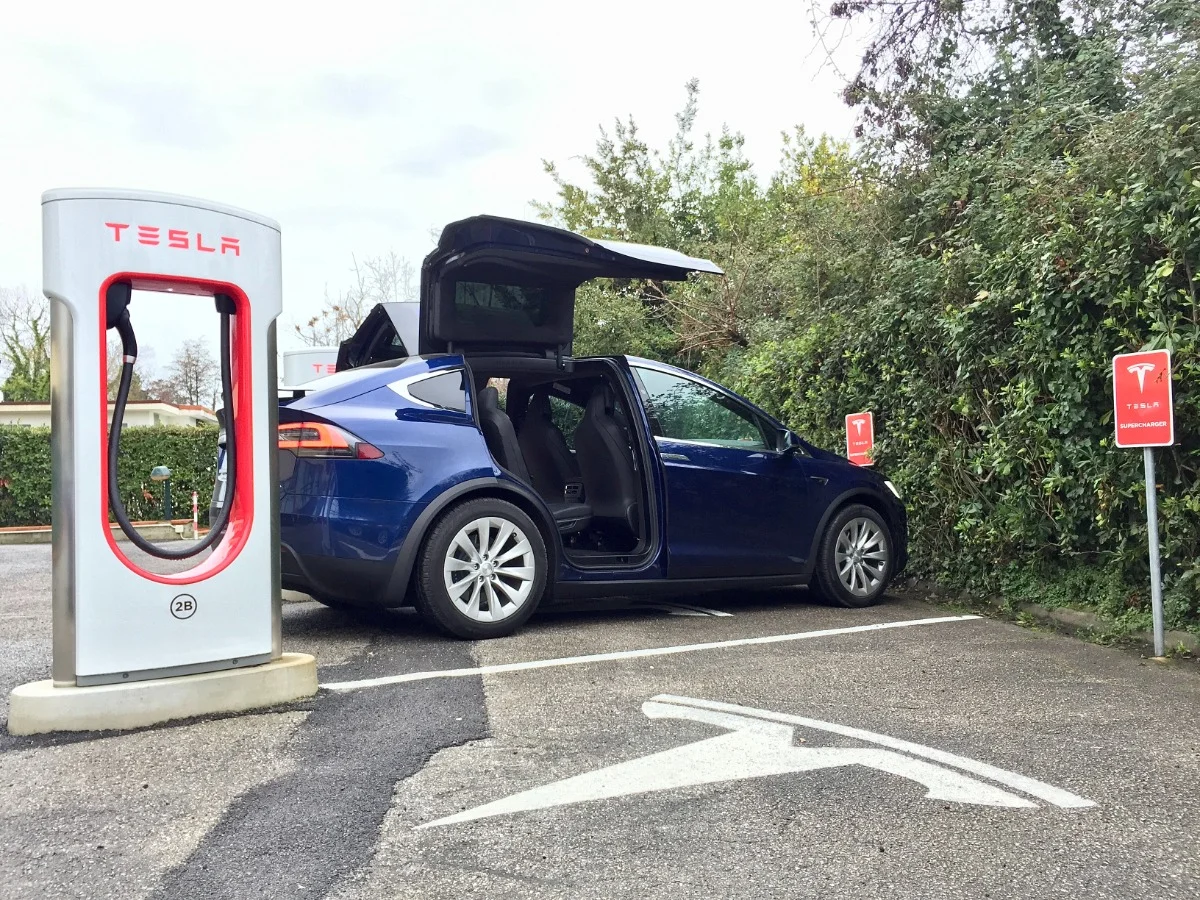
Here’s how much I’d have saved
Back then, I saved around $200 by getting free charging after driving the car for around 1,500 miles for three weeks.
Let’s call it 20,000 miles a year just to be safe.
In the olden days, Supercharging used to be between $0.20 and $0.30 per kWh.
These days, it can easily cost you between $0.25 and $0.50, or even $0.60 with peak rates in busy areas.
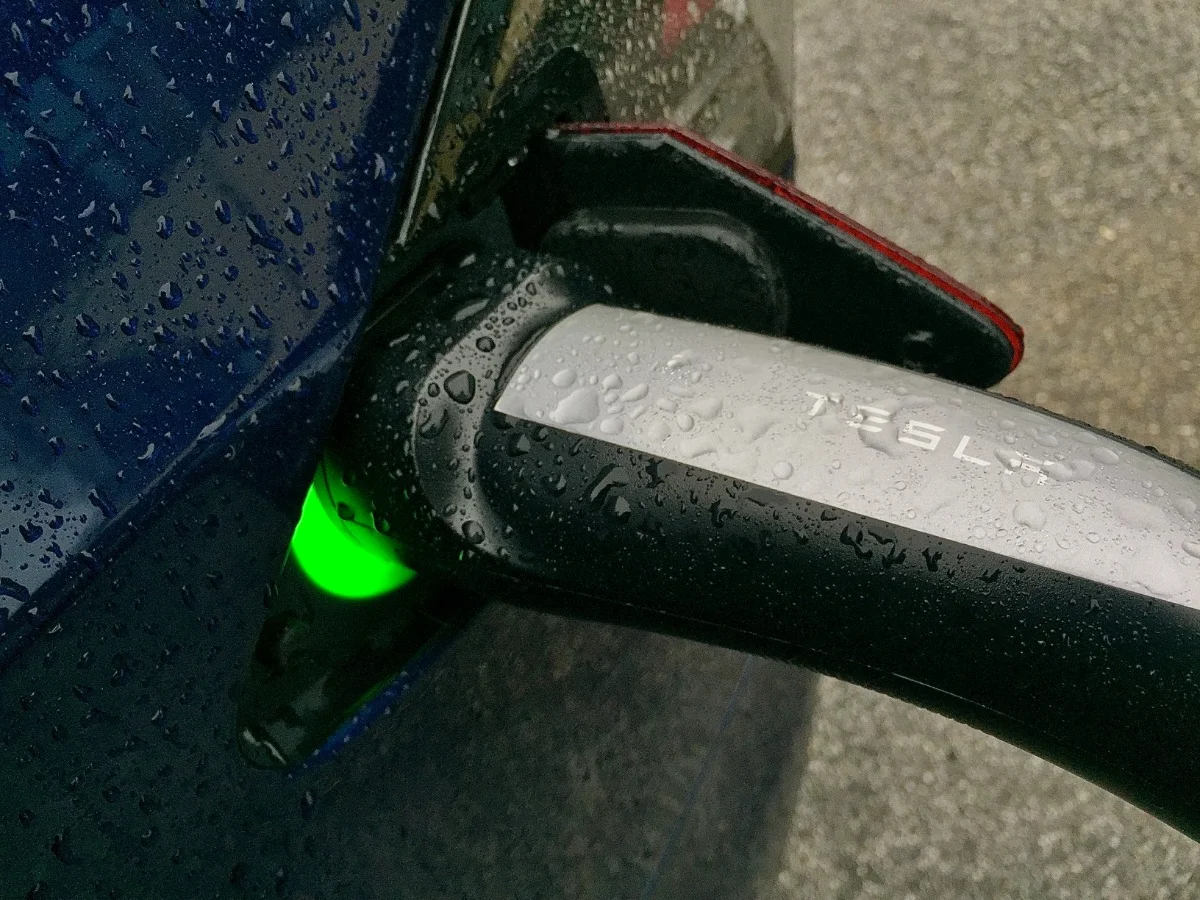
Let’s imagine a timeline between June 2018 and June 2026, so exactly eight years.
And, for reference, let’s use the average Supercharging rate of the US, which is $0.45 at the time of writing.
Let’s also consider the Supercharging rate of every year between then and now:
2018: $0.26
2019: $0.28
2020: $0.28
2021: $0.31
2022: $0.35
2023: $0.37
2024: $0.39
2025: $0.41
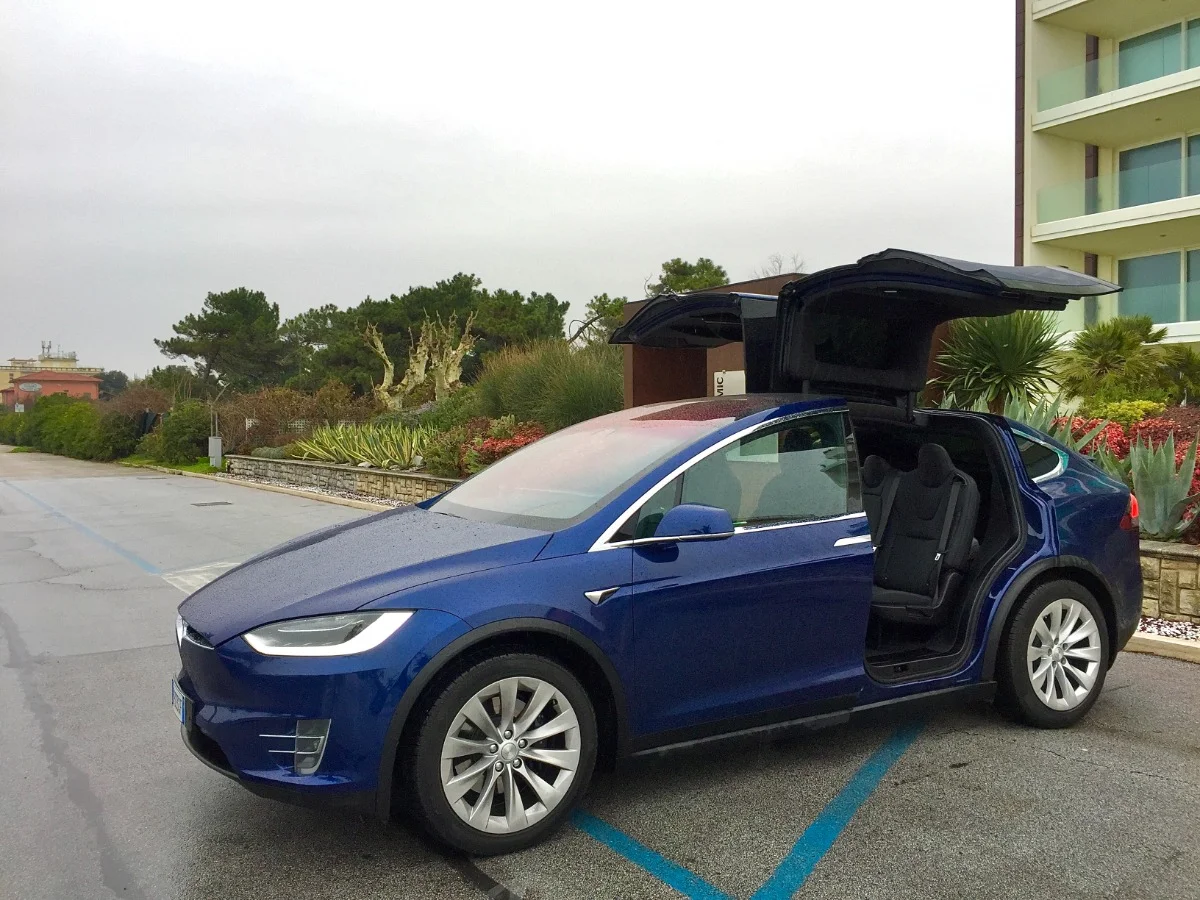
Doing the math, and assuming an average of 20,000 miles a year, that works out at a total Supercharging cost – again from June 2018 until June 2026 – of around $19,000.
Or, had I kept the (now discontinued, sadly) Tesla Model X with free Supercharging, I could’ve spent exactly 0 dollars.
And actually it gets worse (for me).
Because I didn’t use the car in the US – I used it in Europe, where charging rates are notoriously much higher, so the savings would’ve been even more impressive.
But, I daren’t do the math because I know that number would make me cry.
You live and you learn.
A complete history of electric vehicles
1832-1839: Early electric vehicles and rudimentary battery-powered carriages emerge
1890: William Morrison builds a six-passenger electric wagon in the US, sparking interest in electric cars
1912: Detroit Electric releases models with 80-mile ranges, making EVs practical for daily driving
1996: GM EV1 becomes the first mass-produced modern EV, available via lease in California
2008: Tesla Roadster debuts with 244-mile range, proving electric sports cars can compete with gasoline vehicles
2010: Nissan Leaf launches as the first mass-market EV with worldwide availability
2012: Tesla Model S introduces long-range luxury EVs with over-the-air software updates
2023: Global EV sales surpass 10 million units, signaling mainstream adoption
2024-now: Solid-state battery prototypes begin testing, promising higher energy density and faster charging

