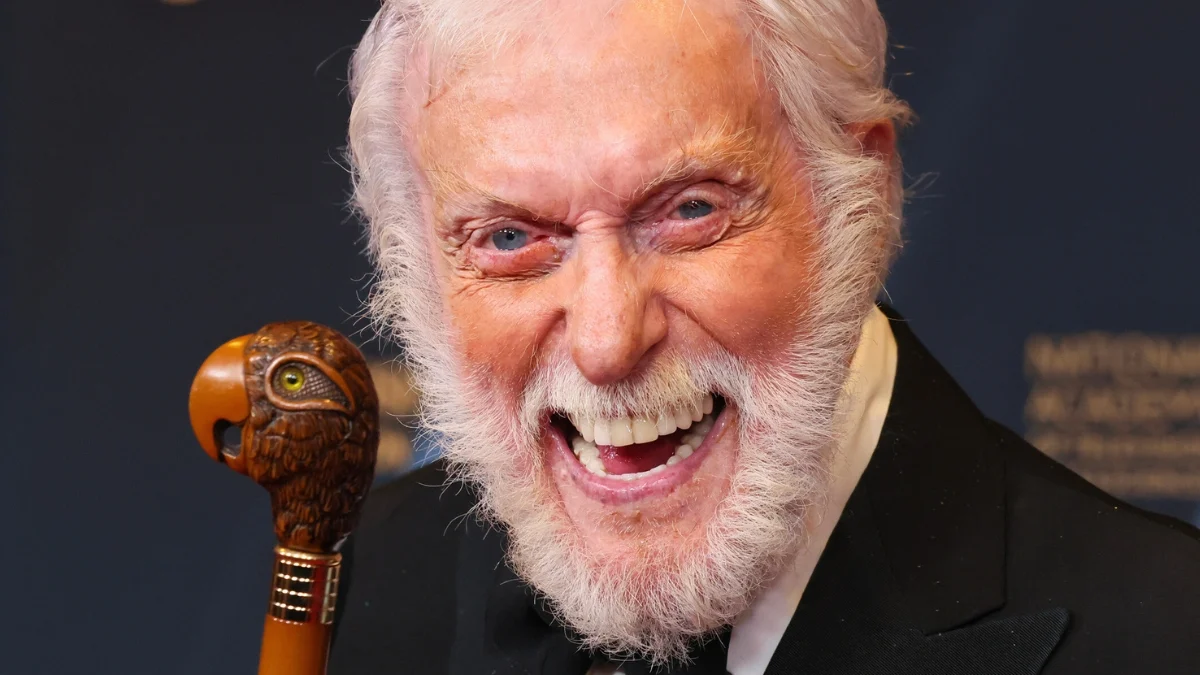
Шинжлэх ухааны судалгаанууд өөдрөг үзэлтэй байх нь стрессийг бууруулж, хүний наслалтыг уртасгахад эерэгээр нөлөөлдөг болохыг харуулж байна.
Жүжигчин Дик Ван Дайк 2025 онд 100 нас хүрэхдээ өөдрөг үзэл нь урт наслалтын нэг хүчин зүйл болохыг онцолсон байна. Эрүүл мэндийн судлаач Жоланта Буркийн тайлбарласнаар, эерэг хандлагатай хүмүүс илүү урт наслах магадлалтай болохыг олон тооны судалгаа баталжээ. Тухайлбал, 1930-аад оноос эхлэн лам нарын дунд явуулсан урт хугацааны судалгаагаар эерэг сэтгэл хөдлөл илэрхийлдэг хүмүүс дунджаар 10 жилээр илүү урт насалсныг тогтоосон байна.
Их Британид 2019 онд хийсэн судалгаагаар өөдрөг үзэл нь хүний наслалтыг 15 хүртэлх хувиар уртасгах боломжтойг илрүүлжээ. Өөдрөг үзэл нь аз жаргал, амьдралын зорилго, нийгмийн харилцаатай нягт холбоотой байдаг бөгөөд эдгээр нь эрүүл мэндэд эерэг нөлөө үзүүлдэг байна. 1938 оноос хойш үргэлжилж буй аз жаргалын талаарх дэлхийн хамгийн урт хугацааны судалгаагаар дунд насандаа гэр бүл, найз нөхдийн хүрээлэлдээ сэтгэл хангалуун байсан хүмүүс 80 насандаа илүү эрүүл байдгийг тогтоожээ.
Эрдэмтдийн таамаглаж буйгаар 90 нас хүртэлх наслалтад генетикийн хүчин зүйл 30 хувийг, харин хооллолт, дасгал хөдөлгөөн зэрэг амьдралын хэв маяг 70 хувийг бүрдүүлдэг байна. Бостон их сургуулийн биостатистикч Паола Себастианигийн дурдсанаар, амьдралдаа сэтгэл хангалуун байх нь эрүүл хөгшрөлтийн чухал тал юм. Гэсэн хэдий ч өөдрөг үзэл нь урт наслалтыг баталгаажуулах цорын ганц хүчин зүйл биш бөгөөд эрүүл мэндийн бусад үзүүлэлтүүд ч мөн нөлөөлдөг болохыг анхаарах хэрэгтэй.
Дэлгэрэнгүйг эх сурвалжаас харах
↓Эх сурвалжийг нээх ↓
At the close of 2025, the beloved actor Dick Van Dyke – famous for tap dancing with a ‘twinkle in his eye’ – turned 100 years old.
On the eve of his birthday, he published a book called 100 Rules for Living to 100: An Optimist’s Guide to a Happy Life.
“I never wake up in a bad mood,” he told People, ahead of the book’s publishing that year.
That’s an impressive claim for so many years on this planet, and while it might seem far-fetched, that upbeat attitude could be an important factor in Van Dyke’s extreme longevity.
Writing for The Conversation in 2025, health scientist Jolanta Burke explained that emerging research really does suggest that optimists like Van Dyke have a higher chance of living longer.
“Numerous studies have shown that keeping stress levels low and maintaining a positive, optimistic outlook are correlated with longevity,” she noted.
There is obviously no set of rules that can guarantee a ticket to the centenarian life, but there are factors that we can somewhat control.
Optimism may be one of them.
Burke points to a long-term study on novice nuns that began in the 1930s. In their youth, participants were asked to write down the story of their lives. Six decades later, researchers found that those who expressed more positive emotion lived an average of ten years longer.
More recently, a 2019 study from the United Kingdom found that optimism is specifically related to a longer life span, up to 15 percent longer on average.
Among two large cohorts, those who were more optimistic had greater odds of achieving “exceptional longevity,” the researchers reported. That means they lived to 85 or beyond.
But why is optimism apparently so good for longevity?
Scientists aren’t yet sure, but they have a few ideas about why a positive state of mind may bestow health.
Positivity is often linked to happiness, a sense of purpose, and satisfying relationships, all of which are associated with longer lifespans.
The world’s longest study on happiness has been running since 1938, and after nearly nine decades, hundreds of peer-reviewed papers, and countless questionnaires, medical check-ups, and in-person interviews, a clear pattern has emerged.
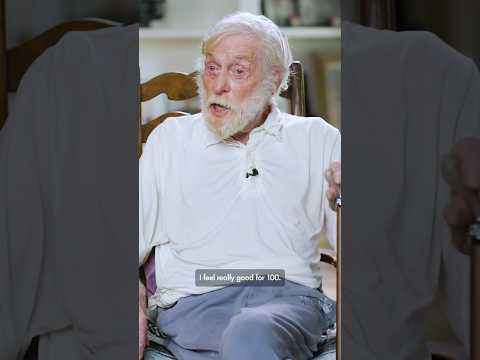
The best predictor of a happy and meaningful life is not ‘good’ genes, the study authors found in a recent analysis, but how good our lives feel to us.
Participants who were most satisfied with their community of friends and family in middle age were the healthiest at age 80. They were also less likely to have diseases and more likely to recover from illnesses.
Scientists are not sure why that is, but they suspect that a rich social life provides some protective buffering against the stresses and anxieties of the day.
Today, some scientists estimate that reaching age 90 can be explained by 30 percent genetics and 70 percent health behaviors, such as diet or physical activity.
A positive state of mind may be one of those factors, and our loved ones may be an important way to achieve that positivity.

Earlier this year, David Attenborough also turned 100. On his 90th birthday, he told the press that his longevity was due to sheer darn luck. While that is likely true to a certain extent, there were factors that may have increased his longevity.
Attenborough, like Van Dyke, has remained socially and physically active, even into older age. His passion for the natural world has never faded, and he continues to work, saying he loathes the idea of retirement.
Some evidence has found that adults over 50, who have a strong sense of purpose in life, tend to have better physical and mental health outcomes.
The largest and most comprehensive study of centenarians and their families in the world, conducted by researchers in the US, has found evidence for that.
Related:The Blood of Centenarians Reveals 37 Proteins Linked With Slower Aging
The study suggests, for instance, that the children of centenarians are more likely to have a strong sense of purpose than the general population, and this was linked to lower rates of disease, disability, and cognitive impairment.
“Aging well is not only escaping or delaying disease,” co-author and biostatistician Paola Sebastiani from Boston University said in 2018.
“Feeling good about your life is important and should be considered an important aspect of healthy aging.”
Van Dyke has a another way of putting it…
“Old age is part fact, part state of mind, part luck,” he wrote in another book, called Keep Moving: And Other Truths About Living Well Longer.
He might be on to something. A twinkle in your eye and a pep in your step may not only add life to your years, but years to your life.
This article was fact-checked by Rachel Garner and edited by Clare Watson. While we pride ourselves on our process, we are only human. If you spot a mistake, please let us know.

