Судлаачид сэтгэцийн олон төрлийн эмгэгүүд ижил төстэй генетик шинж чанартай болохыг илрүүлсэн нь оношилгоо, эмчилгээний арга барилыг өөрчлөх боломжийг бүрдүүлж байна.
2025 оны арванхоёрдугаар сард Nature сэтгүүлд нийтлэгдсэн томоохон судалгаагаар сэтгэцийн 14 төрлийн эмгэгтэй нэг сая гаруй хүн болон оношлогдоогүй таван сая хүний ДНХ-ийн мэдээллийг харьцуулан судалжээ. Үр дүнд нь эдгээр 14 эмгэгийн сэтгэцийн эрүүл мэндийн эрсдэлийг тодорхойлдог таван үндсэн генетик бүлэг байгааг тогтоосон байна. Тухайлбал, хооллох дуршлын эмгэг, Туреттын хам шинж, OCD буюу албадмал үйлдлийн эмгэг нь нэг генетик бүлэгт хамаардаг бол сэтгэл гутрал, түгшүүр, PTSD нь өөр бүлэгт багтдаг аж.
CU Boulder-ийн сэтгэл судлал, мэдрэл судлалын туслах профессор Эндрю Гротзингерын тайлбарласнаар, сэтгэцийн эмгэгүүд нь хоорондоо ялгаатай гэхээсээ илүү генетикийн хувьд маш төстэй байна. Ялангуяа шизофрени болон хоёр туйлт эмгэгийн генетик бүтэц 70 хувийн давхцалтай байгаа нь эдгээр өвчнийг тусдаа эмгэг гэж үзэх эсэхэд эргэлзээ төрүүлж байна. Мөн 2025 оны хоёрдугаар сард Cell сэтгүүлд хэвлэгдсэн судалгаагаар эдгээр генетик хувилбарууд нь тархины хөгжлийн явцад хэрхэн нөлөөлдгийг судалсан байна.
Судлаачид “плеотропи” буюу нэг генетик хувилбар нь олон төрлийн шинж тэмдэг эсвэл өвчин үүсгэдэг үзэгдлийг илрүүлсэн нь чухал ач холбогдолтой юм. Хэрэв эдгээр нийтлэг генетик хүчин зүйлсийг эмчлэх арга олбол тухайн өвчтөнд олон төрлийн эм эсвэл сэтгэл заслын эмчилгээг тус тусад нь хийх шаардлагагүй болох ирээдүйг энэхүү судалгаа харуулж байна. Дэлхийн эрүүл мэндийн байгууллагын мэдээллээр долоон хүн тутмын нэг нь сэтгэцийн эмгэгтэй амьдарч байгаа нь уг нээлтийн ач холбогдлыг улам бүр нэмэгдүүлж байна.
Дэлгэрэнгүйг эх сурвалжаас харах
↓Эх сурвалжийг нээх ↓
Researchers are beginning to realize that even vastly different psychiatric disorders can share startlingly similar genetic roots.
In February last year, scientists revealed their discovery that eight different psychiatric conditions all shared a common genetic basis.
Another team then published a follow-up study in Nature in December – the largest of its kind to date.
This time, they examined DNA from more than 1 million people diagnosed with at least one of 14 psychiatric disorders, alongside 5 million people with no diagnosis.
Surprisingly, they found just five underlying genetic signatures that account for the majority of psychiatric risk across all 14 disorders.
“Genetically, we saw that they are more similar than they are unique,” said one of the researchers, Andrew Grotzinger, assistant professor of psychology and neuroscience at CU Boulder.
“By identifying what is shared across these disorders, we can hopefully come up with strategies to target them in a different way that doesn’t require four separate pills or four separate psychotherapy interventions.”
The latest findings revealed five clear underlying genetic groupings that account for the majority of psychiatric genetic risk.
Disorders with compulsive features – including anorexia nervosa, Tourette syndrome, and obsessive-compulsive disorder (OCD) – share one genetic cluster.
Depression, anxiety, and post-traumatic stress disorder (PTSD) share another. Substance use disorders form a third.
Neurodevelopmental conditions like autism and attention-deficit/hyperactivity disorder ( ADHD) form a fourth, which may explain why so many of these conditions present with similar symptoms or turn up together.
And in perhaps the study’s most striking finding, schizophrenia and bipolar disorder share so much genetic architecture that 70 percent of the genetic signal associated with schizophrenia is also associated with bipolar disorder – a finding that raises serious questions about whether the two should be considered separate conditions at all.
“Right now, we diagnose psychiatric disorders based on what we see in the room, and many people will be diagnosed with multiple disorders. That can be hard to treat and disheartening for patients,” said Grotzinger.
“This work provides the best evidence yet that there may be things that we are currently giving different names to that are actually driven by the same biological processes.”
The work builds on 2019 research that identified 109 genes that were associated in different combinations with eight different psychiatric disorders, includingautism,ADHD,schizophrenia, bipolar disorder, major depressive disorder, Tourette syndrome, OCD, and anorexia.
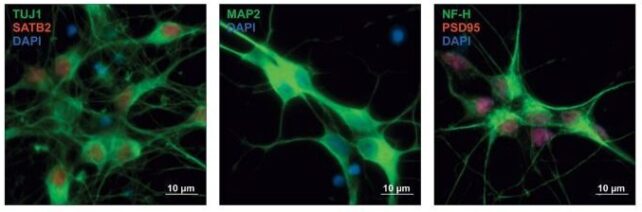
In the February paper, the team took almost 18,000 variations of the shared and unique genes involved in these eight disorders and put them into theprecursor cellsthat become our neurons to see how they could impact gene expression in these cells during human development.
This allowed the team to identify 683 genetic variants that impacted gene regulation and to further explore them in neurons from developing mice.
Genetic variants behind multiple seemingly unrelated traits, or in this case conditions, are called pleiotropic. The pleiotropic variants were involved in many more protein-to-protein interactions than the gene variants unique to specific psychological conditions, and they were active across more types of brain cells.

Pleiotropic variants were also involved in regulatory mechanisms that impact multiple stages of brain development. The ability of these genes to impact cascades and networks of processes, such as gene regulation, could explain why the same variants can contribute to different conditions.
Related: One Complex Emotion May Have a Powerful Effect on Your Mental Health
“Pleiotropy was traditionally viewed as a challenge because it complicates the classification of psychiatric disorders,”saidWon.
“However, if we can understand the genetic basis of pleiotropy, it might allow us to develop treatments targeting these shared genetic factors, which could then help treat multiple psychiatric disorders with a common therapy.”
Together, these studies point toward a future where psychiatric diagnosis – and treatment – may look very different.
Given theWorld Health Organizationestimates one in seven people (almost 1 billion in total) live with some form ofpsychiatric condition, that could have huge implications.
The research was published inCell in February 2025 and Nature in December 2025.
This article was fact-checked by Carly Cassella and edited by Peter Dockrill. While we pride ourselves on our process, we are only human. If you spot a mistake, please let us know.

