Эрдэмтэд нарны гэрэлгүй, химийн нэгдлээр амьдардаг бичил биетэн болон амьтдын бүлгэмийг Румыний Мовиле агуйгаас олж тогтоожээ.
1986 онд цахилгаан станц барих явцад санамсаргүйгээр нээгдсэн Мовиле агуй нь дэлхийн гадаргуугаас 5.5 сая жилийн турш бүрэн тусгаарлагдсан байжээ. Агуйн доторх агаар дахь нүүрстөрөгчийн давхар исэл, метан хийн өндөр агууламж, хүчилтөрөгчийн дутагдалтай орчин нь ердийн амьд биетүүдэд тэсвэрлэхэд бэрх нөхцөлийг бүрдүүлдэг. Гэвч судлаачид энд нарны гэрлээс хамааралгүй, химосинтетик бактерид суурилсан өвөрмөц экосистемийг илрүүлсэн байна.
Энэхүү экосистемийн үндэс нь устөрөгчийн сульфид, метан, аммонийг боловсруулан энерги гаргаж авдаг бактериуд юм. Эдгээр бактерийн бүрээс нь агуйн шавж, хавч хэлбэртэн, өт зэрэг 53 төрлийн амьтан болон 123 төрлийн мөөгөнцрийн амьдрах гол эх үүсвэр болдог. Удаан хугацааны турш харанхуйд амьдарсны улмаас эдгээр амьтдын олонх нь хараагүй болж, хүрэлцэхүйн болон химийн дохиогоор орчноо мэдэрдэг байхаар хувьсжээ.
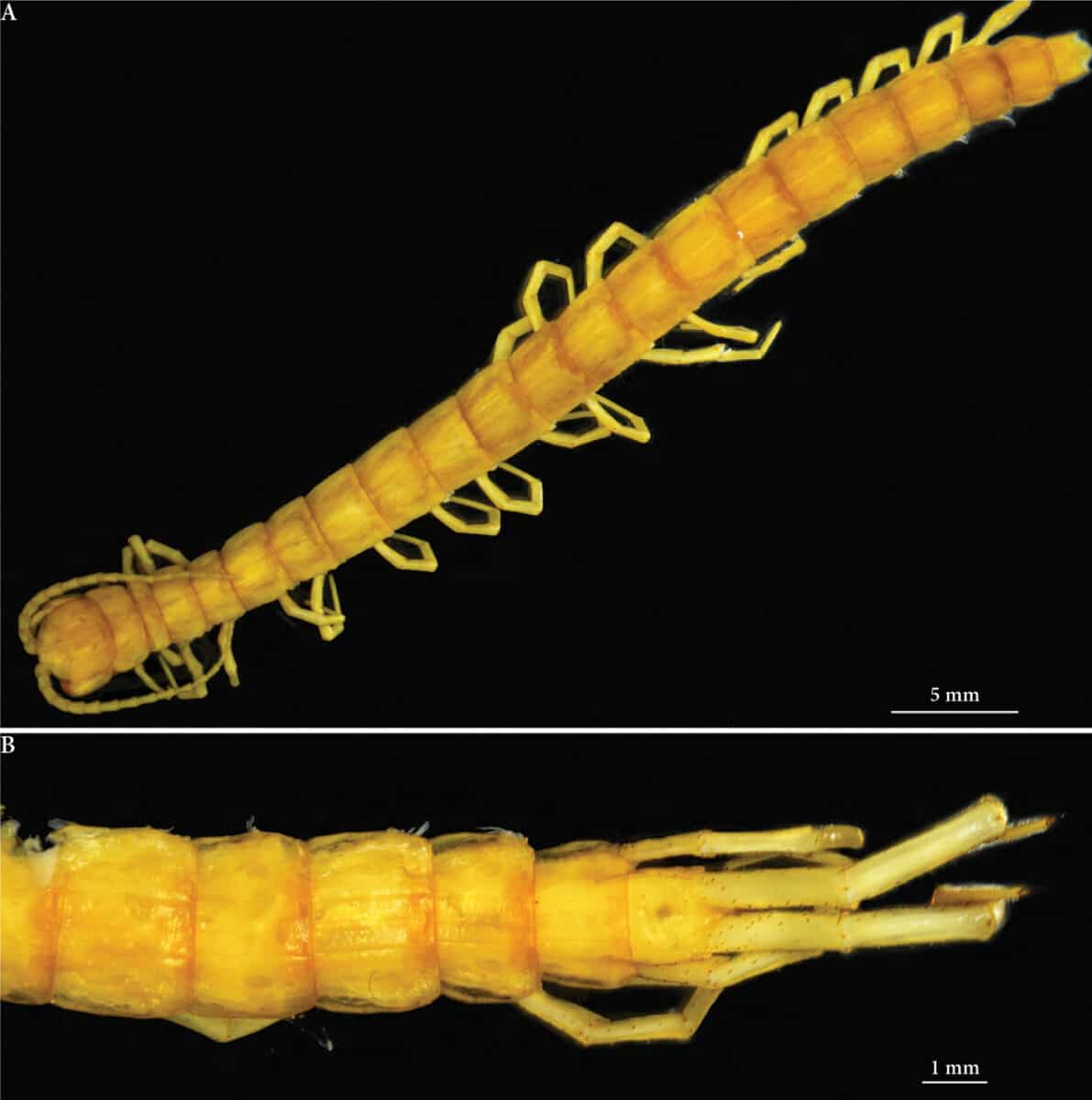
Агуйн нарийн, хортой хий бүхий нөхцөл байдал нь судалгаа хийхэд хүндрэл учруулдаг тул цөөн тооны эрдэмтэн л уг экосистемийг судлах боломжтой байна. “ZooKeys” сэтгүүлд нийтлэгдсэн судалгаагаар эдгээр амьтдын дасан зохицсон онцлогийг тодорхойлсон бөгөөд агуйн хамгийн том махчин амьтнаар хоёр инч урттай, өвөрмөц онцлогтой жаран хөлт шавжийг нэрлэжээ.
Мовиле агуйн судалгаа нь амьдрал нарны гэрэлгүй орчинд ч хэрхэн оршин тогтнож болохыг харуулснаараа шинжлэх ухаанд чухал ач холбогдолтой юм. Энэхүү нээлт нь Бархасбадь гаригийн дагуул Европ болон Санчир гаригийн дагуул Энселадус зэрэг мөсөн бүрхүүлийн доор далайтай байж болзошгүй гариг эрхэсийн хөлдүү гадаргын дор бичил биетэн оршин байх магадлалыг судлахад чухал жишиг болж байна.
Дэлгэрэнгүйг эх сурвалжаас харах
↓Эх сурвалжийг нээх ↓
A cave hidden underground in Romania for more than 5 million years has revealed a strange ecosystem where life survives without sunlight. Inside Movile Cave, scientists have found dozens of unique species living in conditions that resemble some of the extreme environments they are searching for beyond Earth.
Discovered in 1986 during construction work for a planned power plant, Movile Cave was not what engineers expected to find. Instead of a development site, they uncovered a sealed underground world that had been separated from the surface for around 5.5 million years.
The cave quickly became a scientific curiosity. With no sunlight, very little oxygen, and high levels of gases such as carbon dioxide and methane, it appeared almost impossible for life to survive there. Yet researchers found an entire ecosystem hidden in the darkness.
A Cave Where Bacteria Replace Sunlight
Most ecosystems on Earth depend on sunlight, but Movile Cave works differently. At the base of its food chain are chemosynthetic bacteria, tiny organisms that create energy from chemicals instead of using photosynthesis. These bacteria feed on compounds such as hydrogen sulfide, methane, and ammonium found in the cave. They form microbial mats on the walls, floors, and underwater surfaces, supporting the other creatures living there.
The environment inside the cave is extremely harsh, with 100 percent humidity, elevated carbon dioxide levels, and oxygen concentrations around one-third of what humans normally breathe at the surface. While these conditions would be dangerous for most life forms, a unique group of organisms has managed to survive in this isolated habitat.
Studying this underground world is not simple, however. Scientists must wear protective equipment to navigate the narrow passages, which extend for about 780 feet. According to Popular Mechanics, the cave’s toxic atmosphere and challenging access have limited research efforts, leaving only a small number of scientists able to explore its hidden ecosystem.
Research published on the cave has revealed at least 123 new fungal species and 53 animal species, many of which are found nowhere else on Earth. The animal population includes gastropods, threadlike worms called nematodes, tiny crustaceans, centipedes, beetles, water scorpions, leeches, and spiders.
Millions Of Years Of Darkness Changed Its Creatures
Living without sunlight for millions of years transformed the animals inside Movile Cave. Many species no longer have functional eyesight because vision provides no advantage in total darkness. Instead, they move through the cave using touch and chemical signals. Their appearance also changed over generations, with many creatures becoming pale or translucent because color has little purpose underground.
The cave’s most famous resident is a 2-inch-long carnivorous centipede that researchers describe as the “king of the cave.” As the top predator in this underground ecosystem, it feeds on other small animals that have adapted to the same environment.

A 2020 paper published in ZooKeys described the cave’s unusual collection of invertebrates and highlighted the adaptations that allow these species to survive in permanent darkness. The result is an ecosystem that feels almost separated from Earth’s surface world, with organisms following an evolutionary path shaped entirely by their underground home.
A 5-Million-Year-Old World Beneath Earth
Scientists are studying the underground system because it shows that life can survive in places that appear extremely hostile. The cave provides an example of how organisms can exist without sunlight and rely on chemical energy sources instead.
This is relevant to research into icy moons such as Europa and Enceladus. Both worlds are believed to contain oceans hidden beneath their icy surfaces, creating environments that scientists continue to examine. Research into Enceladus has shown that the Saturnian moon releases plumes containing gases including carbon dioxide, methane, and nitrogen. These observations have increased interest in whether underground oceans could provide conditions suitable for simple microbial life.

Movile Cave does not prove that alien organisms exist, but it has expanded scientists’ understanding of where life can survive. A dark cave beneath Romania’s surface has shown that sunlight is not the only possible source of energy for living systems.
Enjoyed this article? Subscribe to our free newsletter for engaging stories, exclusive content, and the latest news.


