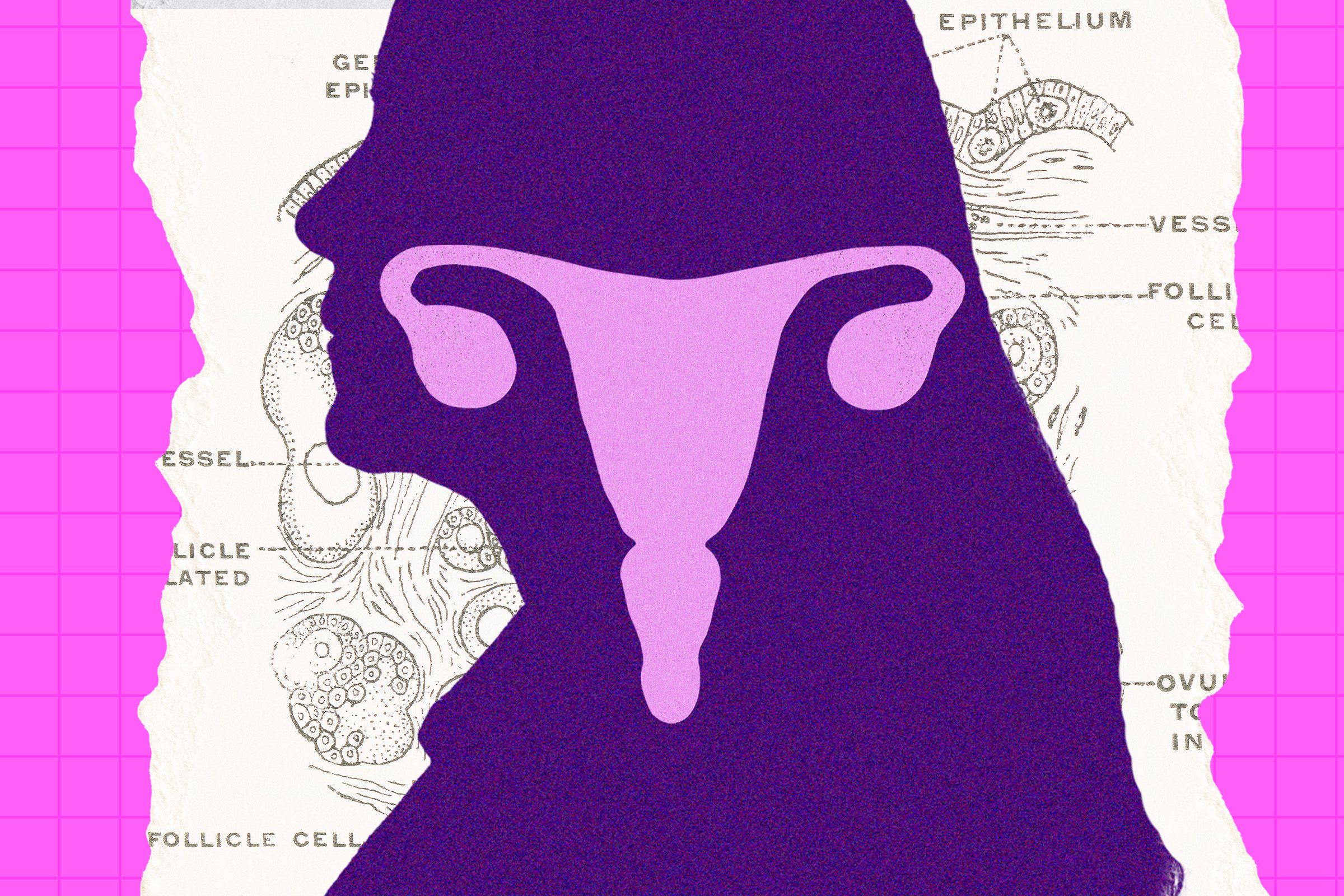
Эрдэмтэд цэвэршилтийн дараа өндгөвчний үйл ажиллагаа хэрхэн өөрчлөгдөж, эрүүл мэндэд ямар үүрэг гүйцэтгэдэг болохыг тодруулахаар ажиллаж байна.
Цэвэршилтийн дараа өндгөвчний даавар ялгаруулах үүрэг буурдаг ч тус эрхтэн бүрэн идэвхгүй болдоггүй болохыг судалгаанууд харуулж байна. Майо клиникийн эпидемиологич, мэдрэлийн эмч Уолтер Роккагийн үзэж буйгаар, өндгөвчний хорт хавдрын эрсдэл өндөр тохиолдлоос бусад үед цэвэршилтийн дараа өндгөвчийг авах нь оновчгүй шийдвэр байж болзошгүй юм. Гэсэн хэдий ч цэвэршилтийн дараа өндгөвчний ач холбогдол хэр удаан хадгалагдаж, эмэгтэйчүүдийн дунд ямар ялгаатай байдаг нь одоогоор тодорхойгүй байна.
“Molecular Human Reproduction” сэтгүүлд нийтлэгдсэн судалгаагаар, хөгширсөн өндгөвч нь үрэвслийн эсрэг чиглэсэн илүү идэвхтэй орчин болж хувирдаг болохыг тогтоожээ. Судлаачид хулганы өндгөвчийг насны ангиллаар нь харьцуулан судалж үзэхэд, нас ахих тусам үрэвсэл болон дархлааны үйл ажиллагаатай холбоотой генүүд илүү идэвхжиж, дархлааны эсүүдийн тоо нэмэгдэж байв. Энэхүү үрэвсэлт үйл явц нь өндгөвчний хорт хавдар болон зүрх судасны өвчин зэрэг насжилттай холбоотой өвчлөлүүд үүсэх эрсдэлийг нэмэгдүүлж болзошгүй гэж эрдэмтэд таамаглаж байна.
Өөр нэгэн таамаглалаар, өндөг эс агуулдаг фолликулууд алга болоход өндгөвч дааврын үйлдвэрлэлээ хадгалахын тулд бүтцийн өөрчлөлтөд ордог байж магадгүй юм. Массачусетсийн нэгдсэн эмнэлгийн нөхөн үржихүйн биологич Дэвид Пэпиний хийсэн урьдчилсан судалгаагаар, фолликулгүй болсон өндгөвчний строма эсүүд дааврын үйлдвэрлэлийг үргэлжлүүлэн хариуцдаг байж болзошгүйг харуулжээ. Энэ нь өндгөвч цэвэршилтийн дараа ч тодорхой хэмжээний даавар ялгаруулсаар байдаг гэсэн таамаглалыг баталгаажуулж байгаа боловч энэ чиглэлээр илүү гүнзгий судалгаа хийх шаардлагатай байна.
Дэлгэрэнгүйг эх сурвалжаас харах
↓Эх сурвалжийг нээх ↓
The significance of residual hormone production may decrease over time. Still, says Walter Rocca, a professor of epidemiology and neurology at the Mayo Clinic, that doesn’t mean the ovary has become unimportant.
“I am convinced until proven otherwise that removing ovaries even after menopause is not advisable,” he says, with a caveat for women at an increased risk of ovarian cancer.
Just how long that importance persists after menopause is still an open question, says Stephanie Faubion, medical director of the Menopause Society. It’s also unclear, she says, how much the answer may vary from woman to woman. “We just have huge gaps,” she says.
Duncan’s work suggests one reason the importance of the postmenopausal ovary may change over time. In analyzing human ovaries, the team found that protein patterns in older ovaries suggested that the ovary becomes a more inflammatory environment. To better understand what may be driving those changes, they looked more closely at the ovaries of mice. The research, published in June in the journal Molecular Human Reproduction, suggests that the ovary may eventually take on a completely new identity after menopause.
The team compared the ovaries of two-month-old mice, reproductively old 18-month-old mice, and post-reproductive 24-month-old mice, and found that over time, the genes linked to inflammation and immune activity became far more active. The number of immune cells in the ovary also increased. While research on mice does not always translate to humans, it could help to explain the molecular changes Duncan observed in human ovaries.
“We think that a lot of those changes may make the ovary more prone to age-related diseases like ovarian cancer,” says Birgit Schilling, an aging researcher at the Buck Institute for Research on Aging who collaborated with Duncan on the human ovary work, which has been published as a preprint. After menopause, the risk of a host of conditions goes up, including stroke, heart disease, and osteoporosis.
Other organs undergo immune remodeling with time, but the ovary ages long before most other organs. Duncan’s work raises the question of whether at some point, the benefits of keeping the ovaries may be outstripped by the risk: As the aging ovary becomes more inflammatory, she wonders whether it may begin broadcasting inflammatory signals to other parts of the body.
David Pépin is probing another possibility: that as follicles that house growing eggs disappear, the ovary may also reorganize to preserve hormone production. Pépin, a reproductive biologist at Massachusetts General Hospital and Harvard Medical School, found that years after cats were given an experimental birth-control gene therapy that prevented their follicles from maturing, the cats were still producing the hormones estrogen, testosterone, and inhibin at completely normal levels.
Follicles drive much of the hormone production during a reproductive cycle; without them, hormone levels should have fallen. In preliminary work he has publicly presented but not yet published, Pépin’s team found that when the ovaries were eventually removed, other cells in the ovary—the stroma—appeared to have taken over hormone production. Pilot studies in mice suggest a similar effect. Pépin thinks he may have tapped into a natural mechanism that helps maintain hormone production as follicles wane. It’s long been hypothesized that the stroma may be responsible for some of the human ovary’s postmenopausal hormone production.
Estrogen, he says, is not the only hormone that plays a role in menopause. “We know so little about how the other ovarian hormones that are disrupted at menopause may contribute to health,” he says. “It is not a dead organ.”

