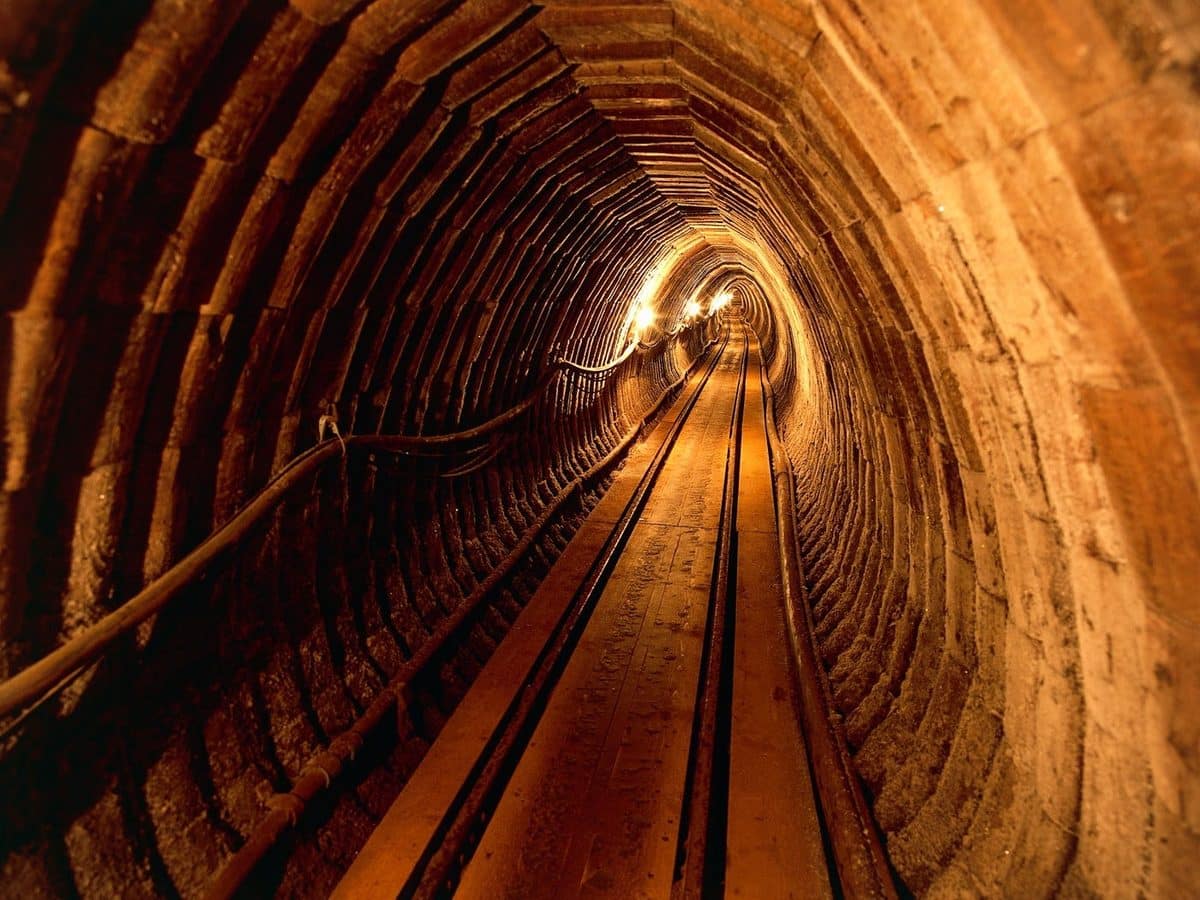
Археологичид Халлштатт орчмын уулын гүнд эртний уурхайчдын ашиглаж байсан 300 орчим метр үргэлжлэх хонгилын сүлжээг олж, нарийвчлан зураглав.
Венийн Байгалийн түүхийн музейн судлаачдын удирдсан малтлагаар неолитын үеэс эхлэн давс олборлоход ашиглаж байсан олон давхар хонгилууд болон агуйн танхимуудыг илрүүлжээ. Эртний уурхайчид давсны давхаргыг даган гүн рүү ухаж, МЭӨ 1200 оны үед өдөрт 1.5 тонн хүртэлх давс олборлох өндөр хүчин чадалд хүрсэн байна. Газар зүйн өрөмдлөгийн явцад илэрсэн шинэ хонгилууд нь тус уурхайн цогцолборын бүрэн хэмжээг хараахан тогтоогоогүй байгааг харуулж байна.
Уурхайн гүнд үе үе тохиолддог хөрсний гулгалт нь олборлолтыг удаа дараа тасалдуулж байсан ч нутгийн иргэд тэсвэр тэвчээр гарган уурхайг сэргээн ашигласаар иржээ. Үүний нотолгоо болгон уурхайн шалан дээр хуримтлагдсан 9 метр хүртэл зузаантай тунадас, хог хаягдлын давхаргыг судлаачид онцолсон байна. Энэхүү олдвор нь тухайн бүс нутгийн иргэдийн аж амьдрал, хөдөлмөрийн арга барил хэдэн мянган жилийн туршид хэрхэн өөрчлөгдөж ирснийг тод томруунаар харуулж буй чухал баримт юм.
Давсны өвөрмөц шинж чанар нь органик зүйлсийг ялзруулалгүй хадгалж үлдээсэн тул археологичид эртний уурхайчдын хэрэглэж байсан багаж хэрэгсэл, хувцас, модон аяга болон хүнсний үлдэгдлийг олж илрүүлжээ. Эдгээр олдвор нь уурхайчид зөвхөн уламжлалт арга барилыг дагах бус, шинэ техник туршиж байсныг гэрчилж байна. Энэхүү археологийн нээлт нь Европын хамгийн эртний бөгөөд чухал аж үйлдвэрийн төвүүдийн нэг болох Халлштаттын түүхийг илүү гүнзгий ойлгох боломжийг олгож байна.
Дэлгэрэнгүйг эх сурвалжаас харах
↓Эх сурвалжийг нээх ↓
Archaeologists have uncovered nearly 1,000 feet of Iron Age tunnels and chambers carved into the mountains above Hallstatt, Austria, exposing a mining operation that stretches back an astonishing 7,300 years. The newly mapped network reveals not just a single cavern but a maze of parallel passages, some stacked directly over and under one another as ancient miners dug progressively deeper in search of salt.
The discovery adds fresh detail to what is already considered one of Europe’s oldest and most important industrial sites. Salt was a precious commodity in antiquity, essential for preserving food and sustaining trade, and the Hallstatt mines have long been recognized as a place where the pursuit of that resource shaped entire communities. What researchers are now piecing together is just how far back that pursuit goes, and how sophisticated it eventually became.
The find matters because it doesn’t just extend the site’s timeline. It also offers a rare, tangible record of daily life underground. Between the scale of the tunnels, the pace of extraction at their peak, and the everyday objects left behind by the miners themselves, the excavation is giving historians a fuller picture of how this alpine community lived, worked, and adapted over thousands of years.
A Tunnel Network Carved Over Millennia
According to the Natural History Museum in Vienna, which has led the ongoing research, Neolithic settlers arrived in the area above Hallstatt roughly 7,300 years ago and appear to have begun mining salt almost immediately. Production didn’t stay modest for long. By around 1200 B.C.E., in the late Bronze Age, output had climbed to as much as 1.5 tons of salt extracted per day.
The tunnels themselves are considerably larger than a casual visitor might expect. Some of the chambers reach widths of up to 80 feet and heights of 65 feet, according to a report by the Austria Press Agency, dimensions that trace the underground path of salt deposits as miners chased the mineral deeper into the rock.
Geological drilling has since turned up additional tunnels that had gone completely unnoticed until now, suggesting the full extent of the complex may still not be known.
Landslides Couldn’t Stop the Digging
Mining at Hallstatt wasn’t a smooth, uninterrupted affair. Over the centuries, the site was repeatedly hit by intense landslides that disrupted production, sometimes badly. Yet the operation kept going.
“But mining went on and on,” Daniel Brandner, head of underground excavations for the museum’s prehistoric department, told the Austria Press Agency. “It was a very resilient community that provided salt again in a few years after these landslides.”
That resilience is written into the excavation itself, the chamber floors littered with debris and sediment that in places has built up into layers nearly 30 feet thick, a slow record of the site being reused, rebuilt, and returned to again and again.
The Human Story in Objects
Perhaps the most striking part of the find isn’t the tunnels but what was left inside them. Digging through the accumulated floor debris, archaeologists recovered broken tools hafted in a surprising variety of ways.
Iron Age mining implements tend to be standardized and purpose-built, so this diversity hints that miners were experimenting with new techniques rather than sticking to convention as the period progressed.
The Neolithic origins of the site, meanwhile, are documented separately through antler and stone picks found elsewhere in the mountain.

Beyond the tools, the salt itself did the archaeologists an unusual favor. Its preserving properties kept organic material intact for millennia. Burnt pine splinters, scraps of clothing, wooden bowls still holding food residue, and even preserved human waste all survived underground, an unusually intimate glimpse into the daily lives of people who spent their days chasing salt through the dark.
Enjoyed this article? Subscribe to our free newsletter for engaging stories, exclusive content, and the latest news.

