
Судлаачид тэнгист автсан Шипден хотын үлдэгдлийг олохын тулд далайн ёроолд судалгаа хийж эхэлжээ.
Английн Норфолк гүнлигийн Кромер эрэг орчмын далайн ёроолд “Алфред Савин” төслийн багийнхан дундад зууны үед далайд автсан Шипден хотын ул мөрийг эрэн хайх ажиллагааг зохион байгуулж байна. Судлаачид эргээс 1300 орчим фут (ойролцоогоор 400 метр) зайд хүний гараар бүтээгдсэн 25 байгууламжийн хэсгийг илрүүлэн зураглал хийжээ. Гэвч тус хотын түүхэнд чухал байр суурь эзэлдэг сүмийн балгасыг одоогоор олж чадаагүй байна.
1086 оны “Domesday Book” сударт тэмдэглэснээр, Шипден нь 117 оршин суугчтай, боомт болон хоёр сүм бүхий томоохон суурин байжээ. 1317 онд далайн хүчтэй нөлөөнд өртсөн Гэгээн Петрийн сүм 1400 он гэхэд бүрэн усанд автсан гэж үздэг. Эрэг орчмын элэгдэл, далайн түвшний өсөлт нь тухайн бүс нутгийн олон суурин газрыг сүйтгэсэн түүхтэй.

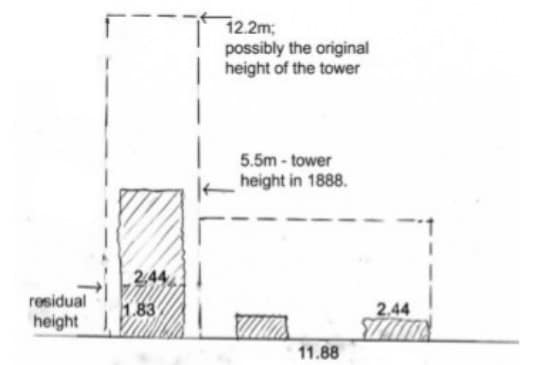
Орон нутгийн домогт “Сүмийн хад” хэмээн нэрлэгддэг чулуулаг нь живсэн сүмийн цамхаг гэж үеийн үед яригдаж ирсэн. Гэвч судлаачид энэ нь үнэн эсэхэд эргэлзэж, түүхэн баримтуудыг бодит олдвортой харьцуулан судалж байна. Нөхцөл байдлыг улам хүндрүүлж буй нэг хүчин зүйл бол 1888 оны наймдугаар сард болсон осол юм. Тухайн үед “Викториа” нэртэй хөлөг онгоц живсэн сааданд мөргөж, түүнийг цэвэрлэхийн тулд тэсрэх бодис ашигласан нь эртний барилгын бүтцийг эвдэж, бутархай чулуу болгосон байх магадлалтай байна.
Одоогоор тус багийнхан далайн эрэг хамгаалалтын хана байж болзошгүй чулуун байгууламжийг илрүүлээд байгаа бөгөөд судалгааны ажил үргэлжилж байна. Судлаачид олдворуудыг нэгтгэн дүгнэхээс илүүтэйгээр шинжлэх ухааны таамаглал дэвшүүлэн ажиллаж байна. Энэхүү судалгаа нь түүхэн баримт болон орон нутгийн домог яриаг ялгаж салгах зорилготой юм.
Дэлгэрэнгүйг эх сурвалжаас харах
↓Эх сурвалжийг нээх ↓
Off the coast of Cromer, in Norfolk, England, a team of divers is combing the seabed for traces of Shipden, a medieval town the North Sea swallowed centuries ago. So far they’ve mapped 25 man-made features roughly 1,300 feet offshore, but the one thing they’re really after is the ruins of a lost church, that has yet to turn up.
The story of Shipden sits somewhere between documented history and local folklore, and separating the two is exactly what this project is trying to do. Coastal erosion has reshaped much of eastern England over the centuries, and Norfolk’s shoreline is no exception: what is now open water was once solid ground, dotted with settlements that storms and rising seas eventually claimed.
“Shipden is a forgotten parish from the Norfolk coast that was swallowed by the sea, the county’s own Atlantis, just a stone’s throw from the famous Cromer Pier,” as stated by the North Norfolk District Council.
What the Records Say About Shipden?
According to the Domesday Book of 1086, Shipden was no small hamlet. It had 117 residents, three acres of meadow, 36 pigs, a working harbor, several manor houses, and two separate churches. Medieval Cromer was in fact split into two parishes: Shipden-juxta-Mare, meaning “Shipden by the sea,” and Shipden-juxta-Felbrigg, which stood on the site of what is now the modern town.
St. Peter’s Church served the seaward parish, and it was the first to go. The sea damaged the building in 1317, and by 1400 it had been completely submerged. Sea levels peaked around 1380, and the storms, flooding, and erosion that followed became routine for coastal towns like Shipden, gradually swallowing buildings that once stood on dry land.
The church‘s tower reportedly remained visible at low tide well into the 1800s, a detail that would go on to shape the town’s local legend for generations.
The Legend That Refuses To Disappear
That visible tower gave rise to a piece of Cromer folklore that locals have repeated for generations: a rock formation near the site, known as Church Rock, was long believed to be the remains of St. Peter’s tower still standing on the seabed, with a bell that could supposedly be heard tolling beneath the waves.
The newer survey work is starting to complicate that story. Peter Stibbons, chairman of the Friends of Cromer Museum and a director of the project, told the BBC that people from Cromer have always grown up with the Church Rock story, so suggesting the legend might be mistaken is no small claim. He added that:
“We’re busy going through the medieval documentation and matching it to the physical finds to date, to suggest a better understanding of Shipden—and for the present we’re putting forward ideas rather than conclusions.”
An 1888 Explosion May Have Muddied the Evidence
Part of what makes the church so hard to pin down is a 19th-century accident. In August 1888, a steam paddle tug called Victoria, out of Great Yarmouth, struck a submerged obstruction near Cromer while running a passenger excursion and became stuck fast. Smaller boats managed to rescue everyone on board, and the hazard was later cleared using explosives.
That blast may explain why divers keep finding toppled, scattered flint rather than an intact structure. As the Popular Mechanics report notes, it may even be the reason the collision itself convinced Cromer residents the church was there in the first place.
Alongside the church hunt, the project, known as the Alfred Savin Project, has also turned up a flint wall thought to be part of an old sea defense, though this season’s diving has wrapped up and researchers plan to return for another look.
Enjoyed this article? Subscribe to our free newsletter for engaging stories, exclusive content, and the latest news.

