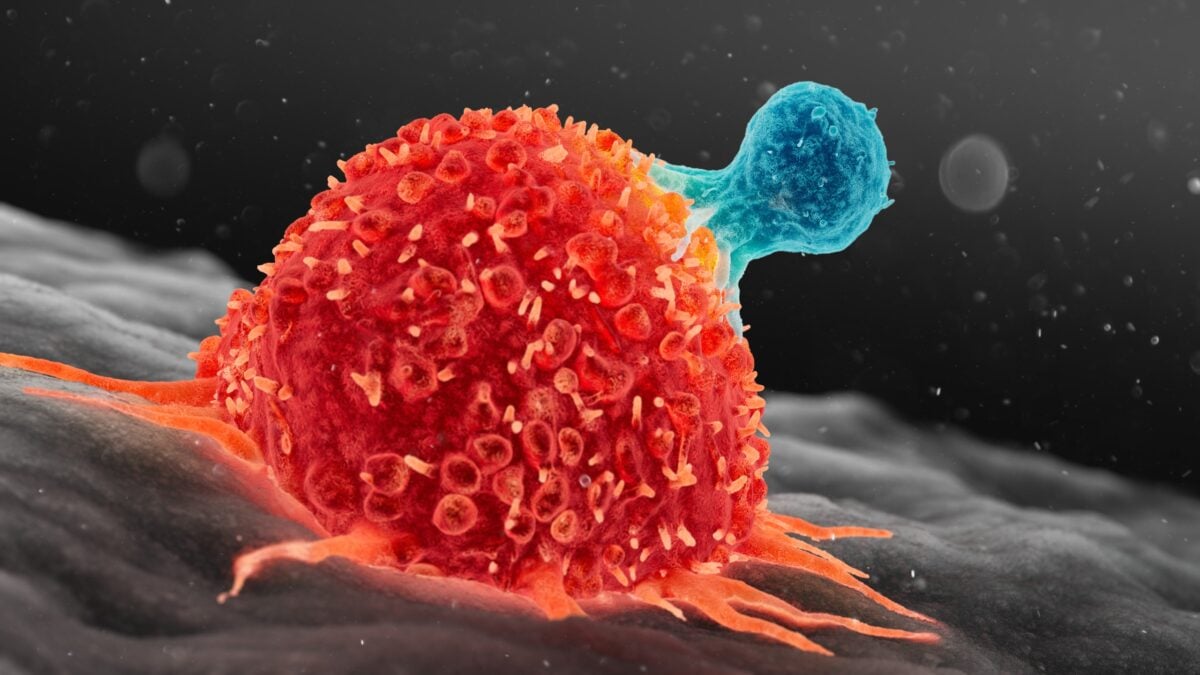
Гурван настай хүүгийн хими эмчилгээнд тэсвэртэй элэгний хавдар CAR T эсийн хоёр тунгийн дараа бүрэн намжсан тухай тохиолдлыг судлаачид мэдээлэв.
The New England Journal of Medicine-д нийтэлсэн тайланд элэгний хорт хавдрын нэг төрөл болох гепатобластомтой хүүгийн тохиолдлыг өгүүлжээ. Оношлох үед элэгний хавдар 11.2 × 9.6 × 7.1 см хэмжээтэй, уушгинд үсэрхийлсэн бөгөөд ясанд тархсан байж болзошгүй шинж илэрсэн байна. Хүү гурван удаа хими эмчилгээ хийлгэж, элэгний үндсэн хавдрыг болон уушгинд тархсан хавдрыг авах мэс засалд хоёр удаа орсон ч хавдар хурдан дахин сэдэрчээ.
Үүний дараа хүү CAR T эсийн туршилтын эмчилгээний анхны хүн оролцсон CARE судалгаанд хамрагдсан байна. Өөрийнх нь Т эсийг элэгний хавдарт ихээр илэрдэг GPC3 уургийг таньж устгахаар генийн аргаар өөрчилж, мөн эсийн үргэлжлэх хугацаа болон хавдар устгах чадварыг дэмжих зорилгоор интерлейкин-15, интерлейкин-21 уургийг илэрхийлэх ген нэмсэн байв. Хүү эмчилгээг хоёр удаа дуслаар хийлгэжээ.
Эхний тунгийн дараа компьютер томографийн зурагт хавдар хэсэгчлэн багасаж, хавдрын идэвхийг илтгэдэг альфа-фетопротеины хэмжээ буурсан байна. Найман долоо хоногийн дараа хийсэн хоёр дахь тунгийн дараах шинжилгээгээр үлдэгдэл сорвижилтоос бусад өвчний шинж илрээгүй бөгөөд 12 сарын дараа хүү өвчингүй хэвээр байжээ. Судлаачдын мэдээлснээр эмчилгээг амбулаториор хийсэн бөгөөд системийн хордлого ажиглагдаагүй.
Гэвч энэ нь туршилтын эхний шатанд хамрагдсан нэг өвчтөний тохиолдол тул эмчилгээний аюулгүй байдал, үр нөлөөг дүгнэхэд хангалтгүй. GPC3-CAR эмчилгээг CARE судалгаанд үргэлжлүүлэн туршиж байгаа бөгөөд Seattle Children’s Hospital-д IMPACT нэртэй төстэй клиник туршилт явж байна. Судлаачид гепатобластом болон GPC3 эерэг хатуу хавдартай бусад өвчтөнүүдэд цаашид судлах шаардлагатайг онцолжээ.
Дэлгэрэнгүйг эх сурвалжаас харах
↓Эх сурвалжийг нээх ↓
A promising breakthrough in cancer treatment has given a young boy a new chance at life.
Chimeric Antigen Receptor (CAR) T cell therapy is an immunotherapy technique that involves taking a patient’s immune cells and genetically engineering them to become potent cancer-hunting predators.
The treatment has shown huge promise in helping patients treat cancer, although its effectiveness has mostly been limited to treating blood cancers, not solid tumors.
But an inspirational real-life success story involving a three-year-old patient shows scientists are making big progress with CAR T cell therapy against solid tumors too – and with potentially life-saving results.
In a report published in The New England Journal of Medicine, researchers document a case of complete regression of hepatoblastoma, a form of malignant liver cancer, in a 3-year-old boy, after CAR T cell treatment.
“This case demonstrates that a durable complete response in a chemotherapy-resistant solid tumor can be achieved entirely in the outpatient setting without systemic toxicity,” says first author and pediatric oncologist David Steffin from the Baylor College of Medicine in Houston, Texas.
When the boy was first diagnosed, he had a mass in the left lobe of his liver that measured 11.2 cm by 9.6 cm by 7.1 cm (4.4 × 3.8 × 2.8 inches).
The cancer had metastasized to his lungs, with indications that it had also spread to his bones.
The boy received three bouts of chemotherapy and had his primary liver tumor surgically removed, along with two operations to remove the cancer that had spread to his lungs.
Despite the interventions, the cancer rapidly returned, with a new tumor appearing in his lungs.
After the rapid recurrence, the boy was enrolled in the CARE study, the first human trial of an experimental form of CAR T cell therapy.
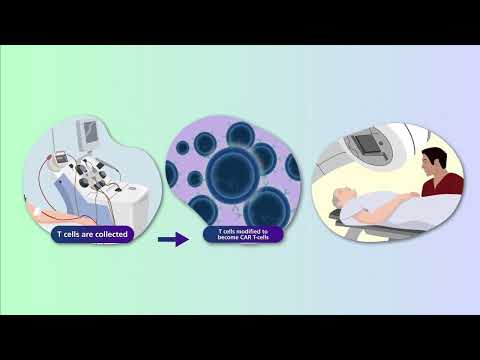
The boy received two infusions of the experimental GPC3-CAR treatment, made from his own T cells, but engineered to recognize glypican-3 (GPC3), a protein that is highly expressed in liver cancers.
The researchers also engineered the therapy to include genes that would express the immune proteins interleukin–15 and interleukin–21, to boost the CAR T cells’ longevity and tumor-killing ability, based on previous evidence from preclinical models.
After the first infusion, the patient showed a partial response, indicated by CT scans and falling levels of a protein called alpha-fetoprotein in his blood, which is indicative of tumor activity.
Eight weeks later he received a second dose of the therapy, and follow-up scans showed no remaining signs of the disease, apart from some residual scarring.
After 12 months, the boy was still disease-free – an incredible result and turnaround for the patient and his family, given the severity of his illness before his participation in the trial.
“This study provides evidence that these novel CAR T cells may be a safe and effective modality for hepatoblastoma and highlights the need for further assessment in patients with GPC3+ solid tumors,” says co-author and pediatric oncologist Andras Heczey from Seattle Children’s Hospital and the University of Washington.
As the researchers note, liver cancer is the third leading cause of cancer-related death globally, so making progress in this branch of immunotherapy treatments is hugely promising – especially since this experimental CAR T cell therapy produced a remission in a patient with a solid tumor.
Related: A Woman With 3 Autoimmune Diseases Entered Remission After an Immune ‘Reset’
Of course, it’s worth pointing out that this is just a single report of one patient in an early-phase trial, and we’ll need to see how other patients respond to the GPC3-CAR treatment before researchers know how effective and safe it is.
Continued testing is being carried out in the CARE study (at Baylor College of Medicine) and in a similar clinical trial called IMPACT, being run through Seattle Children’s Hospital.
The hope is that, with time, we’ll see more positive outcomes like this.
For now, we’re off to a very promising start.
The findings are reported in The New England Journal of Medicine.
This article was fact-checked by Rebecca Dyer and edited by Rebecca Dyer. While we pride ourselves on our process, we are only human. If you spot a mistake, please let us know.

