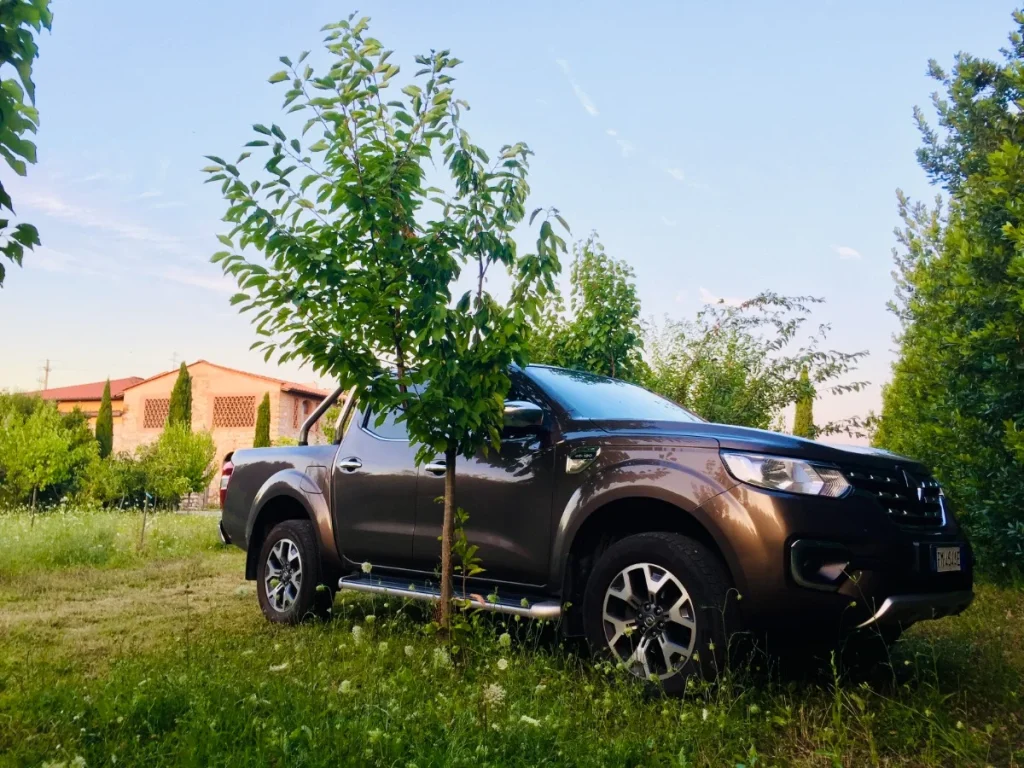
Хойд Америк болон Арабын Нэгдсэн Эмират улсад амьдралын хэв маягийн салшгүй хэсэг болсон пикап загварын автомашинууд Европ тивд төдийлөн дэлгэрч чадаагүй байна.
Хойд Америк, Ази, Африк, Өмнөд Америк болон Австралид пикап автомашиныг ачаа тээвэрлэх болон ажлын зориулалтаар өргөнөөр ашигладаг. Гэвч Европт Fiat Fullback, Mercedes-Benz X-Class, Renault Alaskan зэрэг загварууд зах зээлд нэвтрэхийг оролдсон ч борлуулалт муу байсны улмаас үйлдвэрлэлээ зогсоосон юм. Renault Alaskan загварыг туршиж үзэхэд тус автомашин нь Nissan Navara загвар дээр суурилсан, 160 болон 190 морины хүчтэй 2.3 литрийн дизель хөдөлгүүртэй болох нь тогтоогджээ.
Энэхүү загвар зах зээлд хүлээн зөвшөөрөгдөөгүй гол шалтгаан нь цаг хугацааны хувьд дизель хөдөлгүүрийн эсрэг үзэл хандлага эрчимжсэн үетэй давхцсан явдал юм. Түүнчлэн 5.3 метрээс урт хэмжээтэй нь Европын нарийн гудамжинд тохиромжгүй байсан бөгөөд зарим улсад пикап автомашиныг зөвхөн ажлын зориулалтаар ашиглахыг хуулиар шаарддаг нь хэрэглэгчдэд хүндрэл учруулжээ.
Жолоодлогын хувьд Renault Alaskan нь тогтвортой, тав тухтай боловч жин ихтэй, хөдөлгүүрийн хүч хангалтгүйгээс хурд авахдаа удаан байв. Түүний үнийн хувьд 40,000 ам.доллароос эхэлж, тоноглолоосоо хамааран 50,000 ам.доллароос давж байсан ч Европын зах зээлийн онцлог, хэрэглээний ялгаатай байдлаас шалтгаалан амжилтад хүрч чадаагүй байна.
Дэлгэрэнгүйг эх сурвалжаас харах
↓Эх сурвалжийг нээх ↓
Pickup trucks are very popular in North America, relatively common everywhere else, but completely ignored in Europe.
Especially in some countries.
There are also illogical and bizarre reasons why that’s the case, but it still feels like an anomaly.
And that’s why we drove a French truck to figure out whether we have to ‘blame’ this on the market or the cars.
Pickup trucks dominate the US market for very different reasons
If we wanted to be even more accurate, trucks are relatively common in parts of Asia, Africa, South America, and Australia (the iconic ‘Ute’) mostly for practical reasons.
They’re workhorses – people use them to haul stuff.
However, there are basically only two markets where the truck is also a lifestyle choice: the UAE and North America.
In North America, and especially the US, people buy trucks because they love them.
They don’t necessarily need one, but they want one.
By contrast, the pickup truck segment has never really caught on in Europe.
And it never did, even when the European car market was in good health.
At some point, several European automakers – including Fiat, Mercedes, and Renault – unveiled trucks to test the waters.
It didn’t go well.
The Fiat Fullback, the Mercedes X-Class, and the Renault Alaskan were all pulled from the market due to low sales.
We drove the Alaskan to find out why this didn’t work, and we came to a conclusion.

Why this truck didn’t catch on
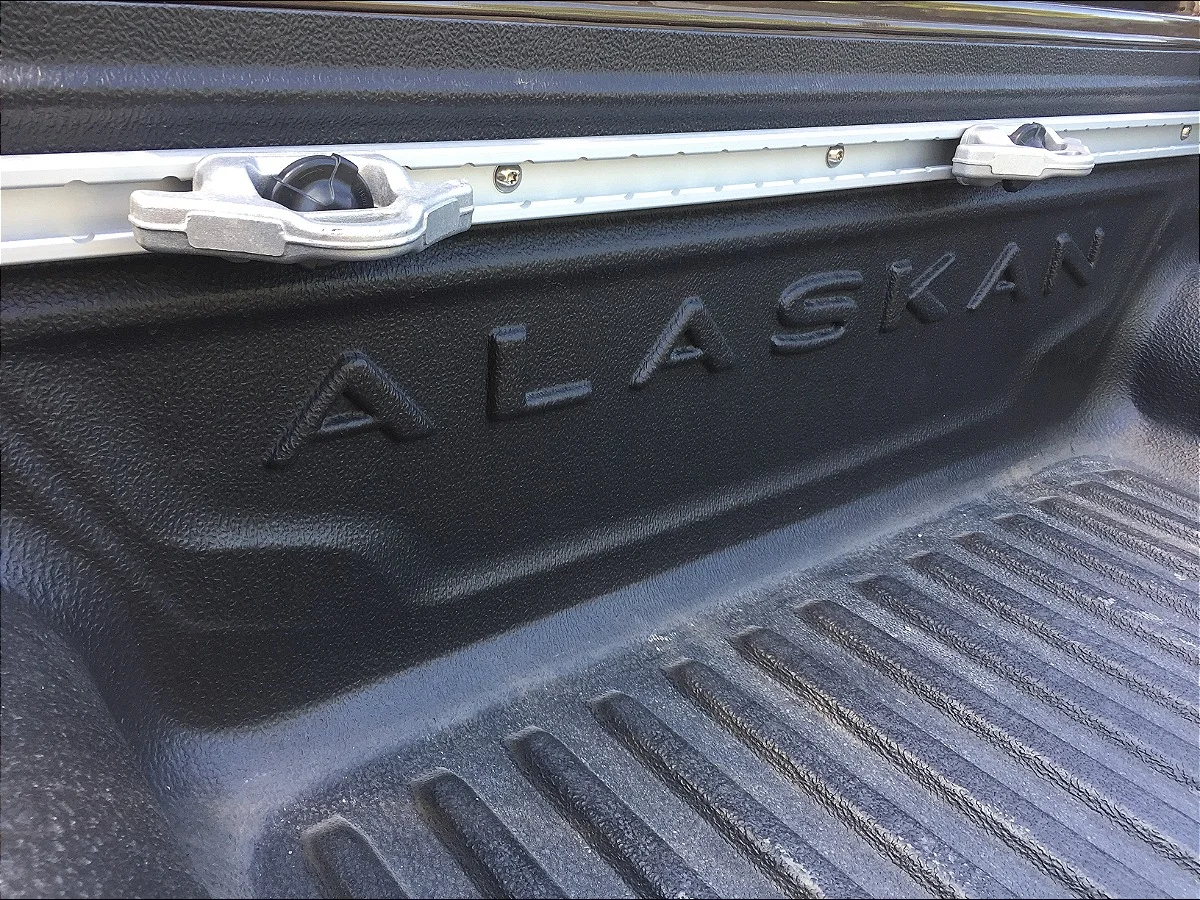
The Renault Alaskan – just like the X-Class, ironically – is based on the Nissan Navara, which is sold in the US as the Nissan Frontier.
It was unveiled in 2015 as a concept car and then put into production with only two powertrain options: a 2.3-liter diesel with 160 horsepower or 190 horsepower, because Renault knew that a gas engine would’ve been too expensive to run in Europe.
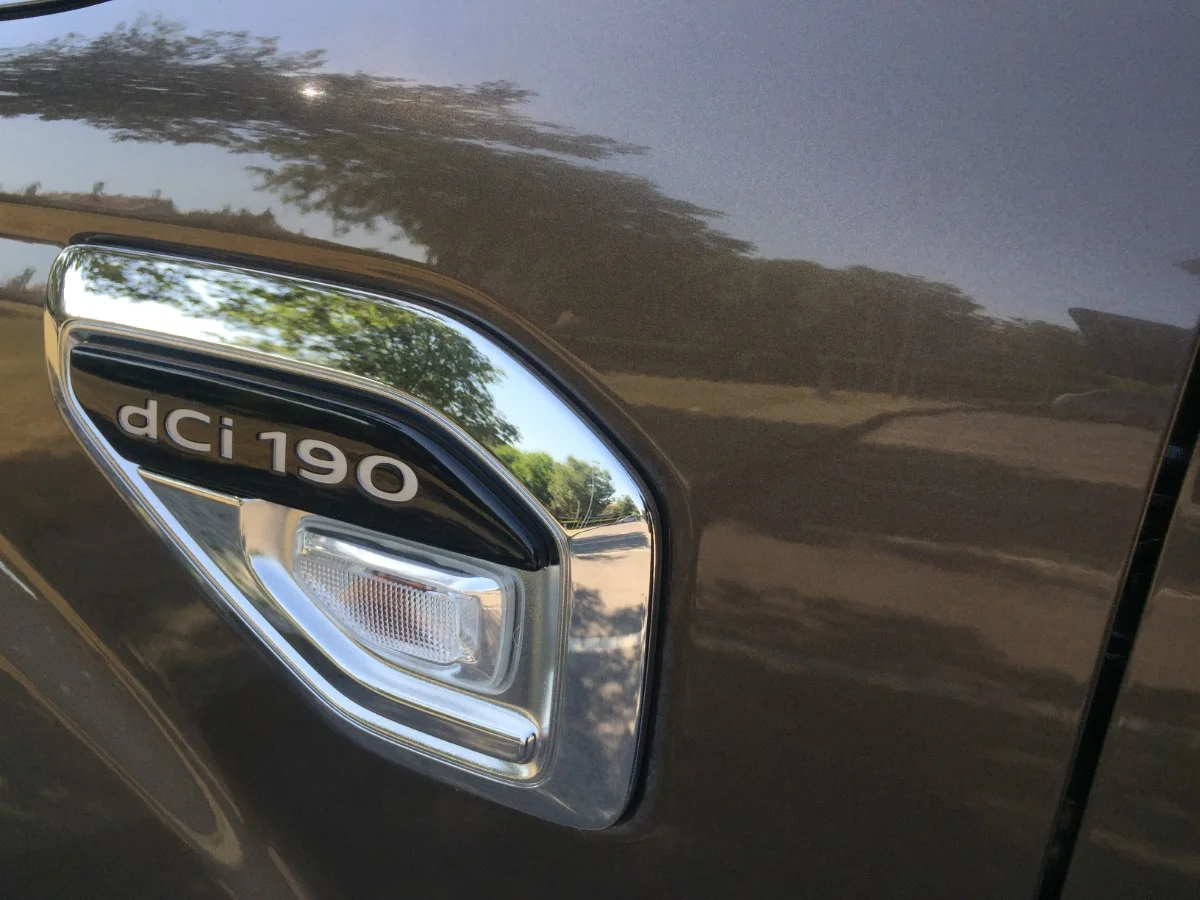
But this was the first issue because the timing was pretty awful.
Back then, the diesel engine was already being demonized in the aftermath of the infamous Dieselgate, which meant it was already on its way out.
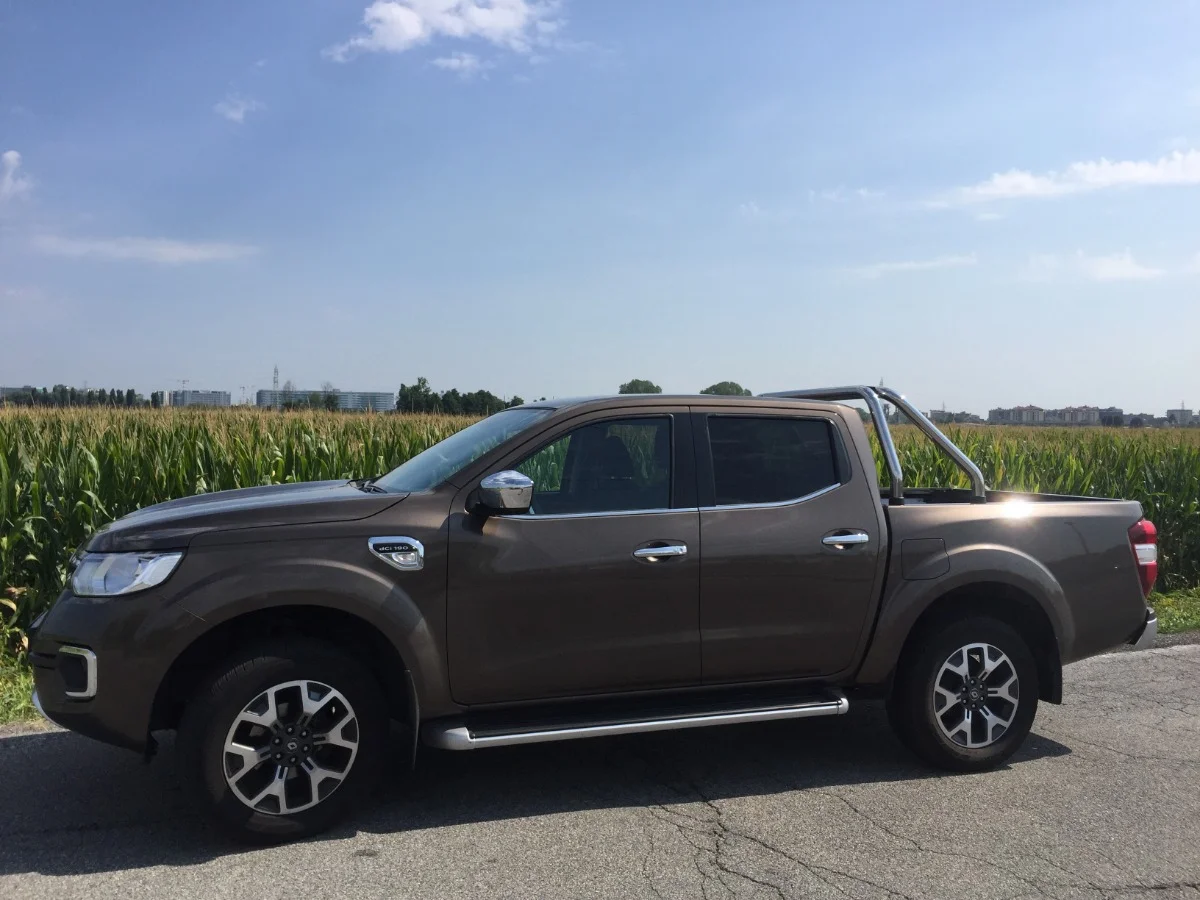
The second issue was its size.
The Alaskan was over 5.3 meters (208+ inches) long, which made it way too large for narrow European roads.
Another thing that didn’t work in its favor was legislation.
In some European countries, you’re technically not allowed to buy pickup trucks unless you can prove you’re using them for work reasons.
In theory, if you’re driving from your home to the beach on a Sunday, you could get a ticket if you can’t prove you are going to or coming from work.
It sounds insane, but it’s true.
The truck itself isn’t bad
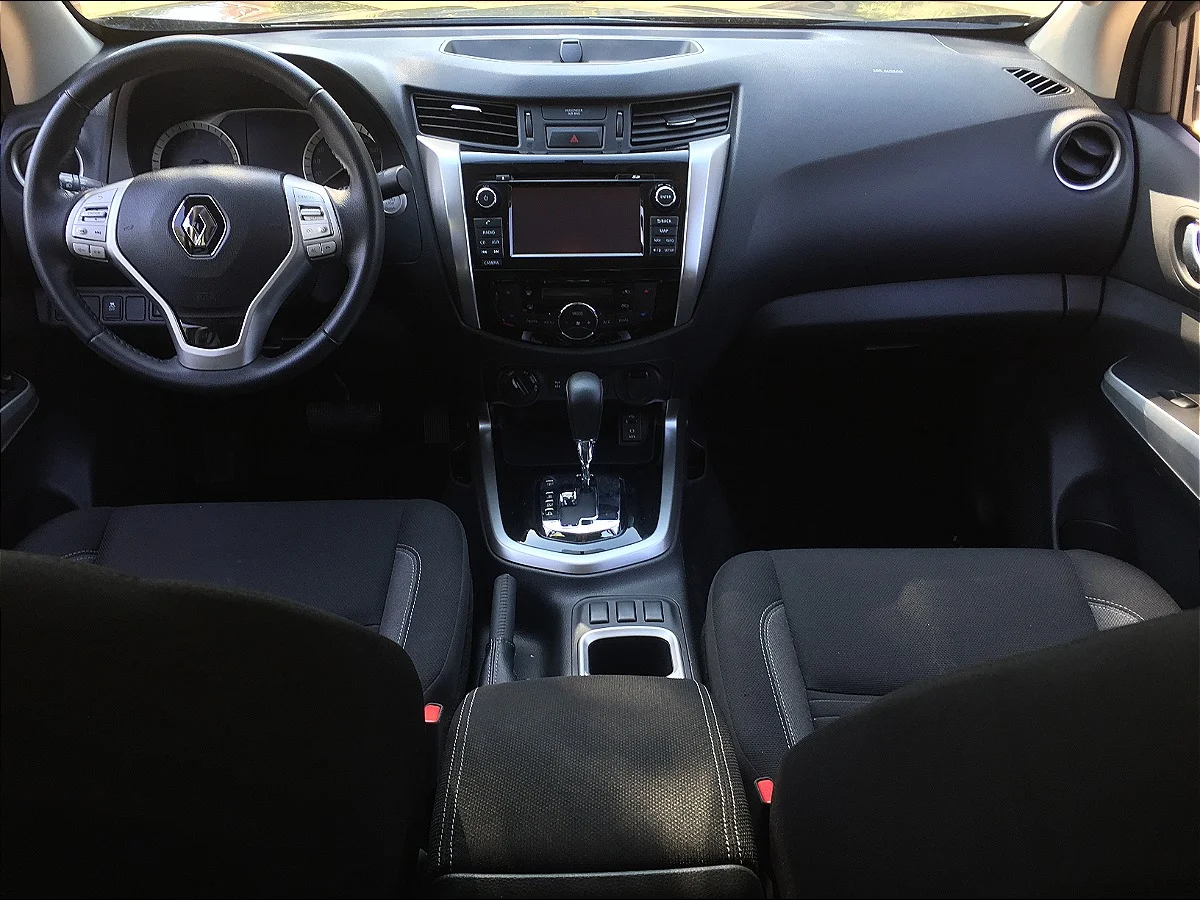
Behind the wheel, the Alaskan felt solid and comfortable.
There’s something about driving a truck that just feels nice.
You can’t put your finger on it, but then again that’s probably they sell so well in some markets.
It was a bit slow, mainly because it was too heavy and the engine wasn’t powerful enough, but it did at least feel torquey.
It wasn’t even that expensive.
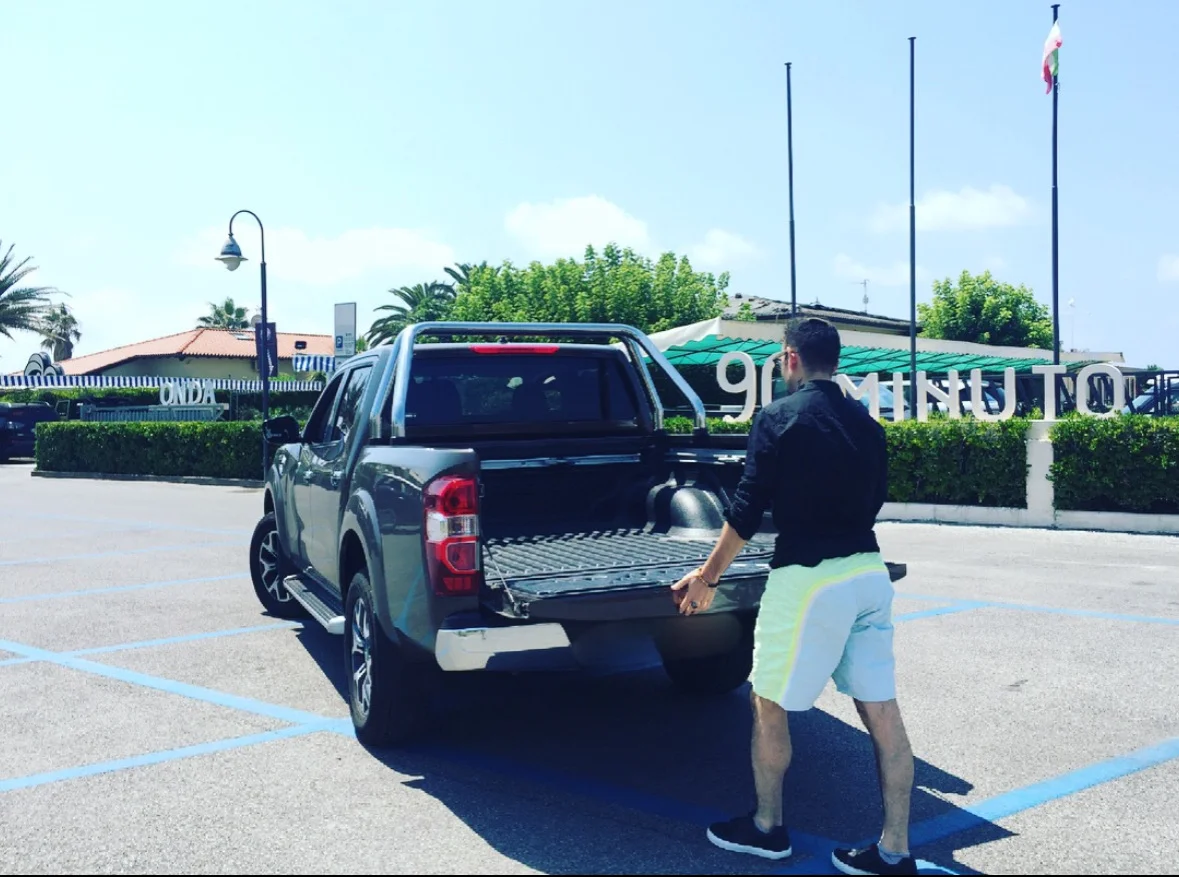
As tested, the Alaskan cost just over $50,000, and the base price was $40,000.
But sadly, it was simply not suitable for the market it was intended for.
Like trying to force a steak into the menu of a fish restaurant.

