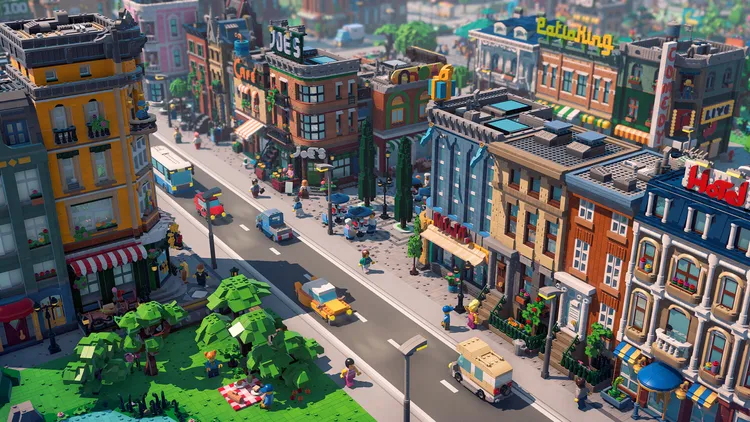
Gamescom үзэсгэлэнгийн үеэр танилцуулагдсан Lego Skylines тоглоомын анхны тоглолтын туршлага нь хотын удирдлага, төлөвлөлтөөс илүүтэй бүтээлч байдал болон чимэглэлд илүү ач холбогдол өгдөг болохыг харууллаа.
Paradox Interactive-ийн хэвлэн гаргаж буй энэхүү тоглоомд тоглогчид зам татах, барилга байгууламж босгох зэргээр хотын дэд бүтцийг бүрдүүлэх бөгөөд барилгуудыг Lego-гийн тоосгоор угсрах үйл явц нь маш өвөрмөц харагдаж байна. Тоглогчид оршин суугчдын сэтгэл ханамжийг нэмэгдүүлэхийн тулд хашаа хороог төрөл бүрийн эд зүйлсээр чимэглэх боломжтой бөгөөд “Flavor” буюу амт гэх ангиллын дагуу тухайн өрхийн таашаалд нийцүүлэн тохижуулах нь тоглоомын нэгэн гол хэсэг болж байна.
Тоглоомын явцад оршин суугчдын даалгаврыг биелүүлснээр чөлөөт цагаа өнгөрөөх байгууламж, спортын талбай зэрэг шинэ барилгуудыг нээх боломжтой. Мөн фермээс эхлээд үйлдвэр, дэлгүүр хүртэлх энгийн нөөцийн сүлжээг үүсгэх боломжтой боловч нарийн төвөгтэй логистик эсвэл замын түгжрэл, гамшгийн нөхцөл байдал зэрэг хүндрэлүүд одоогоор ажиглагдсангүй.
Энэхүү тоглоом нь хот байгуулалтын нарийн төвөгтэй сорилтуудаас илүүтэй тайван, бүтээлч орчныг хүсдэг тоглогчдод зориулагдсан болох нь тоглолтын эхний шатны туршлагаас харагдаж байна. Хэдийгээр одоогоор газрын гадаргууг өөрчлөх хэрэгсэл дутмаг байгаа ч жижиг деталь болон хотын өнгө төрхийг тохижуулахад дуртай хүмүүст ихээхэн боломж олгох төлөвтэй байна.
Дэлгэрэнгүйг эх сурвалжаас харах
↓Эх сурвалжийг нээх ↓
It makes so much sense I can’t believe it didn’t happen years ago: as revealed at Gamescom last week, Lego is finally fulfilling its destiny by making a city builder. And I’m happy to say I got my eager hands on an early build of Lego Skylines for a little preview.
I do want to make this clear: the preview build I played was very short, with only about 35 minutes of playtime. It was almost entirely focused on building one small neighborhood, with the population maxing out at around 50 residents by the end of the preview. That’s not quite long enough, or big enough, to get a real feel for a city builder.
But what’s here is immediately appealing. The little Lego world I worked on was simply lovely. Click to build a house and it’ll quickly be constructed in a colorful shower of Lego bricks falling from the sky and piling up into a cozy-looking little home. Bulldoze a mistake and the building will collapse into a heap of plastic bricks on the ground. The cute animations and cheery visuals are exactly what I’d hoped for when I saw the game’s trailer last week, and again made me wonder why Lego didn’t make a city builder years ago.
As in builders like Cities: Skylines (Paradox Interactive is publishing this one, too), you drag roads out across the ground and connect buildings to them: houses, shops, farms, and factories. One thing I noticed, in this build at least, is that the map is almost entirely a flat plane, with only a few areas I could see where the elevation changed a bit. I didn’t see any terrain manipulation tools in the build, either, which is a little disappointing.
A lot of the focus is on customizing each of the buildings you place. You can boost a homeowner’s happiness by decorating their yard with items like mailboxes, barbeques, flowers, wheelbarrows, fountains, and all sorts of little prebuilt odds and ends. But each household also has a specific taste, called Flavor.
Choosing decorations from the Flavor categories listed, like “cozy” or “nature,” will increase the household’s happiness. Flavor is optional—it’s a city builder, after all, and not everyone wants to obsess over the micro-details—but if you want to make every single citizen in your city overjoyed with their home, you’ve got the tools to do it.
Completing quests for your residents is another big part of the early game. As you’re planning and building, you might see an icon over someone’s head indicating they have a request. Maybe they want you to build them a home in a more secluded area, or they’d like a park built in their neighborhood.
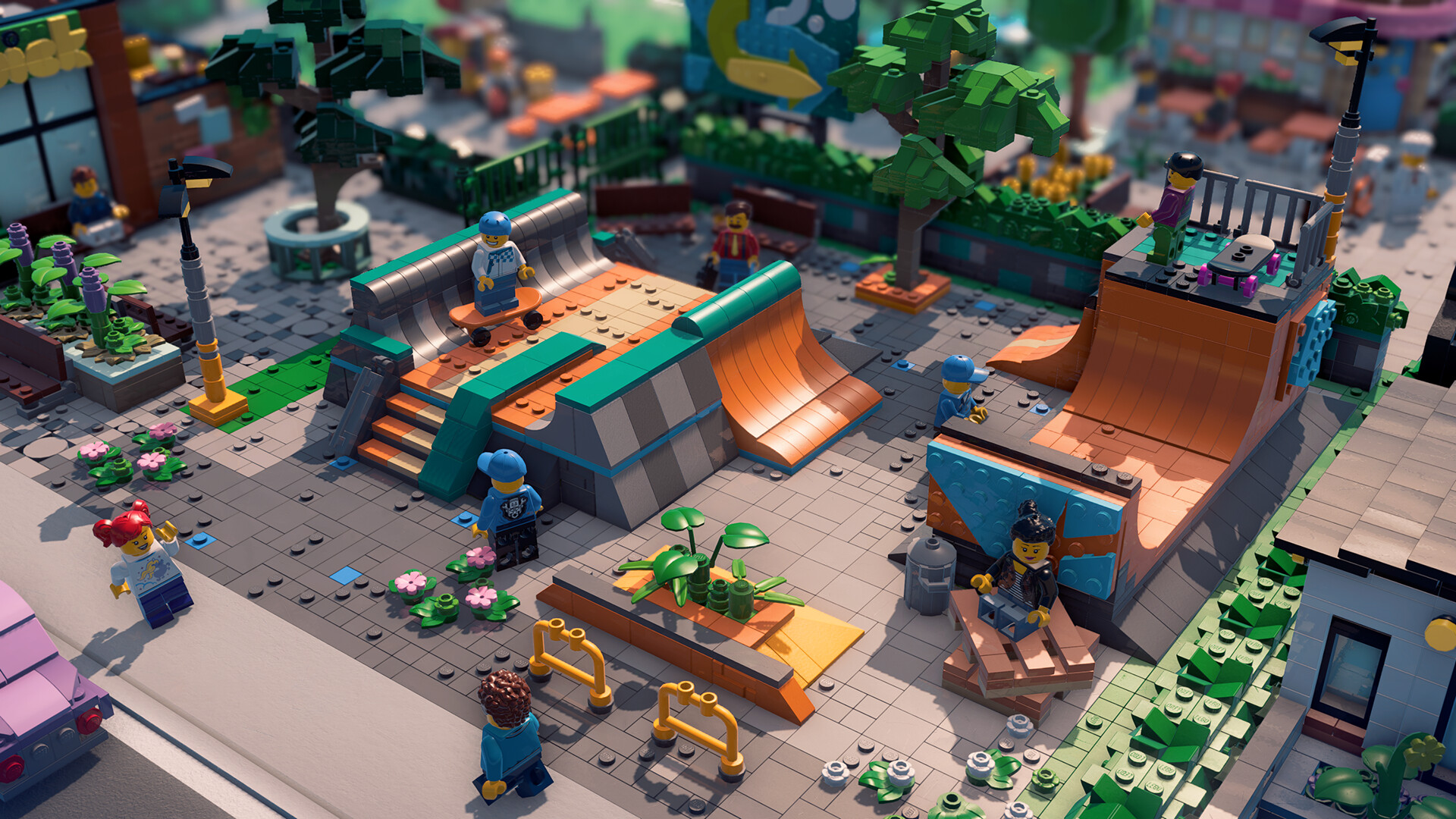
Fulfilling quests unlocks new types of buildings, like leisure, letting you build sports arenas, theaters, and other places your residents can visit. A couple other quests popped up that were just for fun, like searching the city to find several chickens that had escaped from a farm, and clicking on them to return them home.
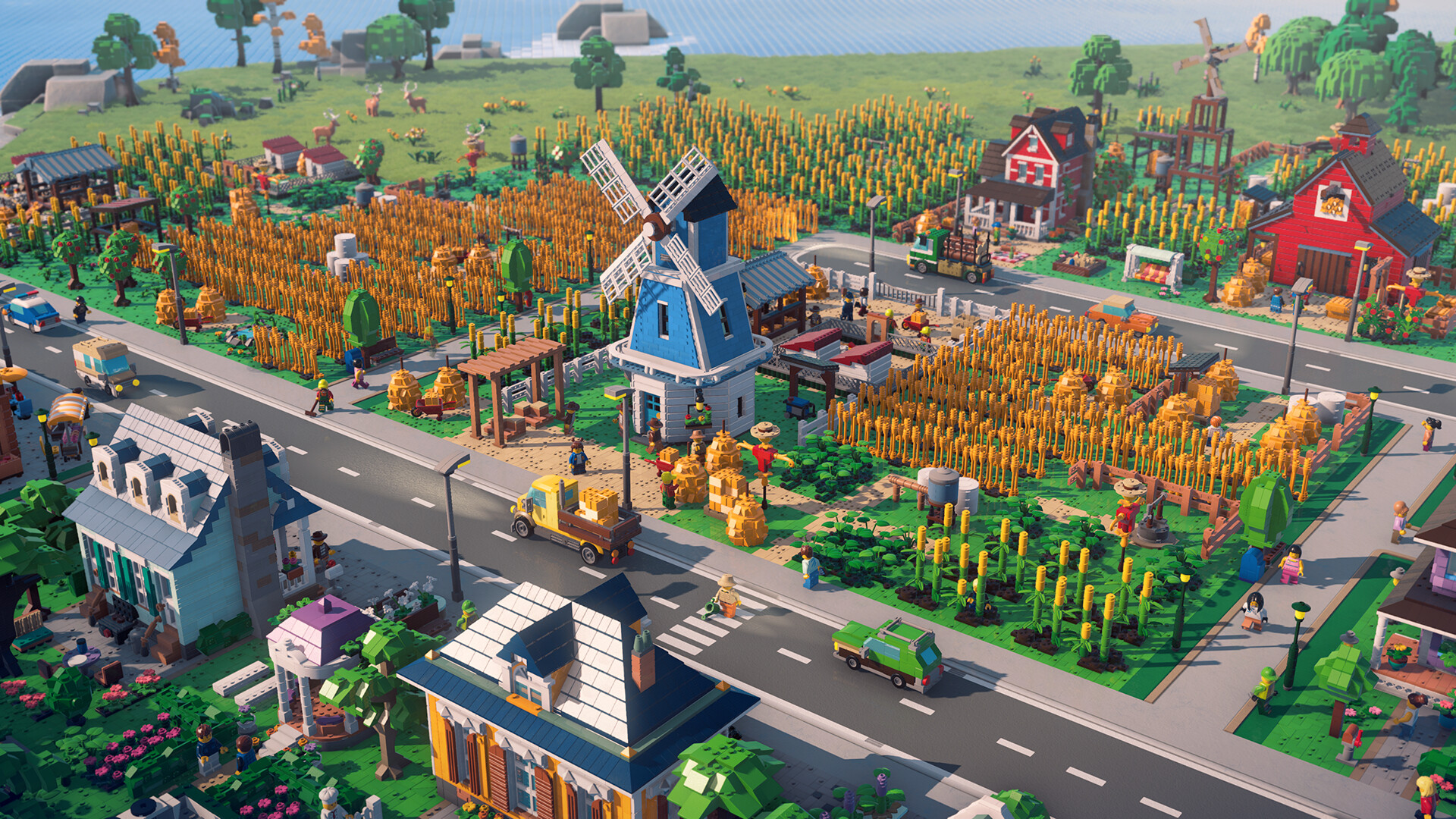
I also got to tinker with, very lightly, the resource chains in Lego Skylines. I built a couple of farms that generate raw goods, which are then shipped to factories to make products, which are then sold in shops. There wasn’t much to it, logistically: just having the farm, factory, and stores placed seemed like enough to get the supply chain up and running, and soon little trucks were making deliveries and pickups without my input. But I was pretty pleased that my bread factory resembled a giant toaster, complete with two enormous slices of toast sticking out of the roof. Pretty much everything in Lego Skylines is completely cute.
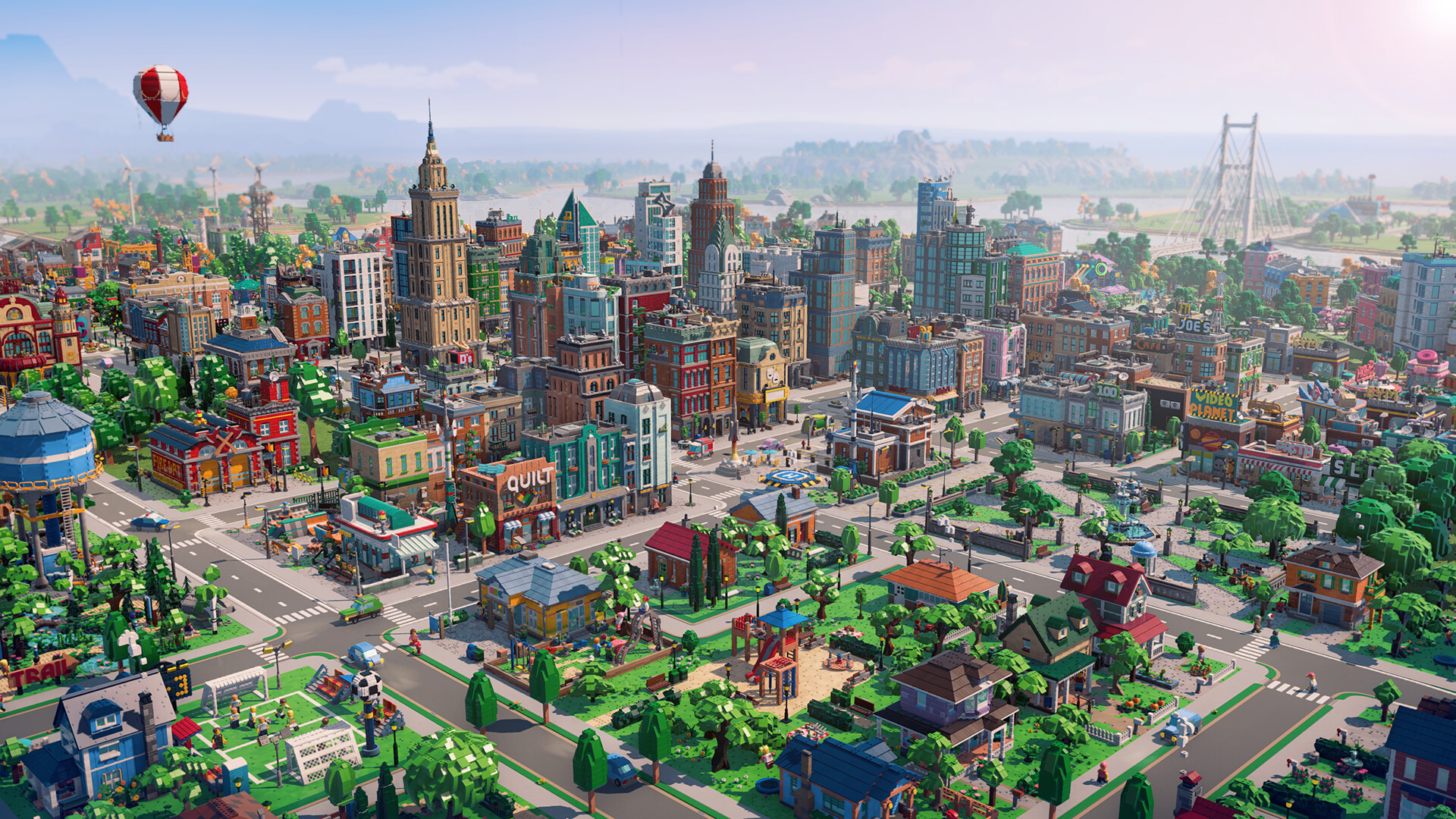
I didn’t get much further before the preview ended, but it was a cozy and wholesome half-hour of play without much that could really go wrong. As for building and managing a larger city, I can’t say what kind of challenge that’ll be. The build I played did include a saved game of a larger city spread out across several islands connected by bridges, but even that urban sprawl still only had about 2,400 residents: not exactly a metropolis.
I didn’t see anything resembling traffic jams to deal with: you don’t even have to worry about parking lots because whenever a resident gets out of their car it just disassembles in a puff of bricks—so I think traffic and other deep management challenges might not really be a part of the game.
I didn’t see any evidence of disasters like tidal waves or tornadoes, either, though a fire did break out in one building. I quickly deleted all the fire stations to see if the blaze would devour the whole city, but only the single building burnt down. Maybe it’s not really Lego’s thing to simulate catastrophic situations that result in mass Lego-person fatalities. I bet those would still be cute, though.
I hope I get the chance to play more soon. It’s a lovely game to look at and if you like focusing on little details in your builders, like decorating individual houses and fussing over the themes of neighborhoods, it looks like there’ll be a lot here to keep you occupied. For people more into a deep city building challenge, I’m guessing this isn’t the city builder for you, but we’ll find out when we get to play some more.

Steam sale dates: When’s the next event?
Epic Store free games: What’s free right now?
Free PC games: The best freebies you can grab
2026 games: This year’s upcoming releases
Free Steam games: No purchase necessary

