Европын судлаачид эртний Месопотамийн шавар дугтуй доторх бичээсийг задлалгүйгээр унших дэвшилтэт технологийг нэвтрүүлжээ.
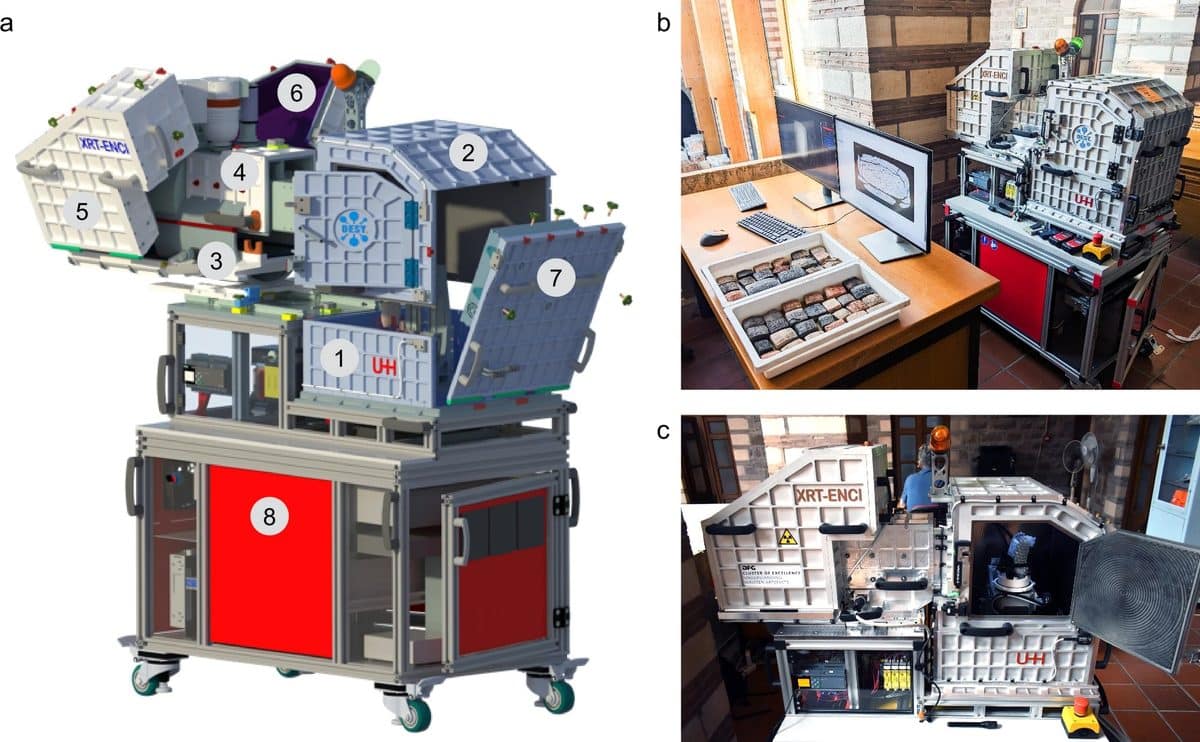
Deutsches Elektronen-Synchrotron болон Хамбургийн их сургуулийн эрдэмтдийн баг ENCI хэмээх зөөврийн рентген төхөөрөмжийг бүтээсэн нь эртний олдворуудыг гэмтээхгүйгээр судлах боломжийг бүрдүүлж байна. Уг төхөөрөмж нь өндөр энерги бүхий рентген туяа болон зэс шүүлтүүрийг ашиглан шавар доторх бичээсийг дүрслэн харуулдаг бөгөөд “beam-hardening” гэгдэх гажуудлыг нөхөх тусгай програм хангамжаар дамжуулан үр дүнг сэргээн босгодог. Энэхүү технологийн тусламжтайгаар музейн үзмэрүүдийг зөөвөрлөх шаардлагагүйгээр газар дээр нь шинжлэх боломжтой болжээ.
Судлаачид энэхүү төхөөрөмжийг ашиглан 4000 жилийн өмнө бичигдсэн, урьд өмнө хэн ч уншиж байгаагүй захидлыг илрүүлсэн байна. Худалдаачин Эннум-Ашшурын эхнэр Анна-аннагийн илгээсэн уг захидалд өрийн асуудлаар нөхрөө шүүмжилж, яаралтай эргэж ирэхийг шаардсан утгатай үгс байжээ. Энэхүү олдвор нь тухайн үеийн худалдаачин айлуудад эмэгтэйчүүд өрхийн санхүү болон бизнесийн үйл ажиллагаанд хэрхэн идэвхтэй оролцдог байсныг харуулсан үнэ цэнтэй баримт болж байна.
Мөн 1993 оны малтлагаар олдсон өөр нэгэн шавар дугтуйг шинжлэх явцад зөвхөн гэрээний бичээс төдийгүй 4000 жилийн настай арвайн үр олдсон нь судалгааны багийнхны хувьд гэнэтийн нээлт болжээ. Эрдэмтдийн тэмдэглэснээр, ENCI төхөөрөмж нь зөвхөн шавар дугтуй гэлтгүй, эвдэж гэмтээх эрсдэлтэй бусад олон төрлийн битүүмжилсэн олдворуудыг судлахад чухал ач холбогдолтой юм. Судалгааны үр дүнг npj Heritage Science сэтгүүлд нийтэлжээ.
Дэлгэрэнгүйг эх сурвалжаас харах
↓Эх сурвалжийг нээх ↓
A team of European researchers has found a way to read messages locked inside clay envelopes for four millennia, using a portable X-ray scanner instead of a hammer. The device, called ENCI, has already revealed a merchant’s wife scolding her husband over an unpaid debt.
For decades, the only way to know what was written inside an ancient Mesopotamian clay envelope was to break it open, destroying part of the artifact in the process. Between half a million and a million cuneiform objects have been unearthed across Iraq, Syria, Iran and Türkiye, many of them administrative or legal texts that were once sealed inside protective clay shells bearing only a brief summary of what lay within.
That destructive trade-off is now, at least partially, a thing of the past. A multidisciplinary team from Deutsches Elektronen-Synchrotron and the University of Hamburg has built a machine that can “virtually unwrap” these envelopes, giving historians access to texts no human eye has seen since they were sealed, without so much as chipping the clay.
A Portable X-Ray Machine Built for Museums
The device is named ENCI, an acronym standing for “extracting non-destructively cuneiform inscriptions,” and according to the study, published in the journalnpj Heritage Science, it was designed specifically to travel. It can be dismantled and reassembled inside museum walls, meaning fragile artifacts never have to leave their home institution to be examined.
Technically, the process relies on high-energy X-rays paired with a 2mm copper filter, which compensates for the distortion that hardened clay tends to cause in the imaging process, a phenomenon researchers call beam-hardening. Reconstruction software then takes over, piecing together the scan data to digitally reveal and let researchers explore the envelope’s hidden contents.
A Wife’s Hidden Message From 4,000 Years Ago
It was in Ankara that ENCI produced its most striking result yet: a letter, never read before, addressed to the merchant Ennum-Aššur by his wife, Anna-anna. The backstory is almost mundane by modern standards: Ennum-Aššur had loaned silver to a man named Laqēpum before leaving on business, and left his wife in charge of collecting the repayment.
Her letter recounts a frustrating chase. The debtor apparently claimed, more than once, that he’d already paid a third party named Kudātum, and refused to hand anything to Anna-anna directly, insisting he’d only settle up once her husband returned in person. Anna-anna eventually turns her irritation toward her husband himself, pointedly asking:
“Why do you keep turning your head towards the lapis lazuli? Here, your instructions concerning silver, 10 or 20 minas that are either in Burušhattum, or in Wahšušana, or here, you left your instructions and you keep turning your head towards it. If within 10 days you have not arrived, as for your departure, stand up and come.”
The study also notes that the letter is valuable evidence of the role women played in these merchant households: often running affairs alone while husbands traveled for trade, they also intervened directly in business matters that were nominally their spouses’ responsibility.

A Lost Contract Reveals More
Anna-anna’s letter was not the only surprise ENCI uncovered. Another envelope, found during a 1993 excavation at the house of Ali-ahum and his son Aššur-taklāku, turned out to contain a loan contract. The text revealed how people handled debts at the time: once the money was repaid, the creditor would return the document to the debtor, who would then break the clay envelope to officially close the deal.
But the scan revealed something researchers did not expect: a tiny piece of organic material hidden alongside the text. It was a 4,000-year-old barley seed, preserved by the same clay that had protected the message for thousands of years.

Discoveries like these show that ENCI could help uncover secrets far beyond cuneiform tablets. Any sealed artifact that has remained untouched because opening it would risk damage could potentially be explored in the same way. As for whether Ennum-Aššur ever recovered his silver or returned home to settle the dispute with Laqēpum, the ancient clay still keeps that mystery to itself.
Enjoyed this article? Subscribe to our free newsletter for engaging stories, exclusive content, and the latest news.

