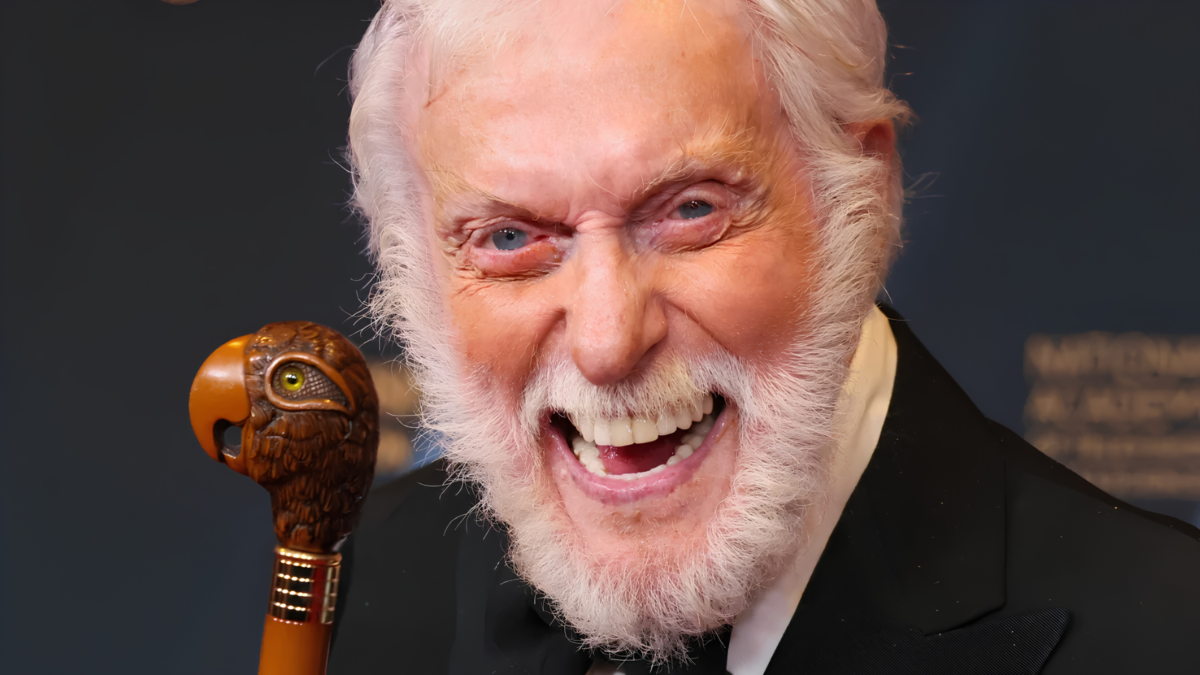
Судалгаануудад өөдрөг хандлага, сэтгэл ханамжтай харилцаа болон амьдралын зорилго урт наслахтай холбоотой байж болохыг тэмдэглэжээ.
2025 оны төгсгөлд жүжигчин Дик Ван Дайк 100 нас хүрсэн бөгөөд тэрээр өөдрөг хандлагаа урт насалсантайгаа холбон ярьжээ. 2025 онд The Conversation сэтгүүлд нийтлэл бичсэн эрүүл мэндийн судлаач Жоланта Бёрк өөдрөг хүмүүс урт наслах магадлал өндөр байж болохыг судалгаанууд харуулж буйг тайлбарласан. Гэхдээ урт наслахыг баталгаажуулах нэг дүрэм байхгүй бөгөөд судалгаануудын үр дүн нь холбоо хамаарлыг илэрхийлж байна.
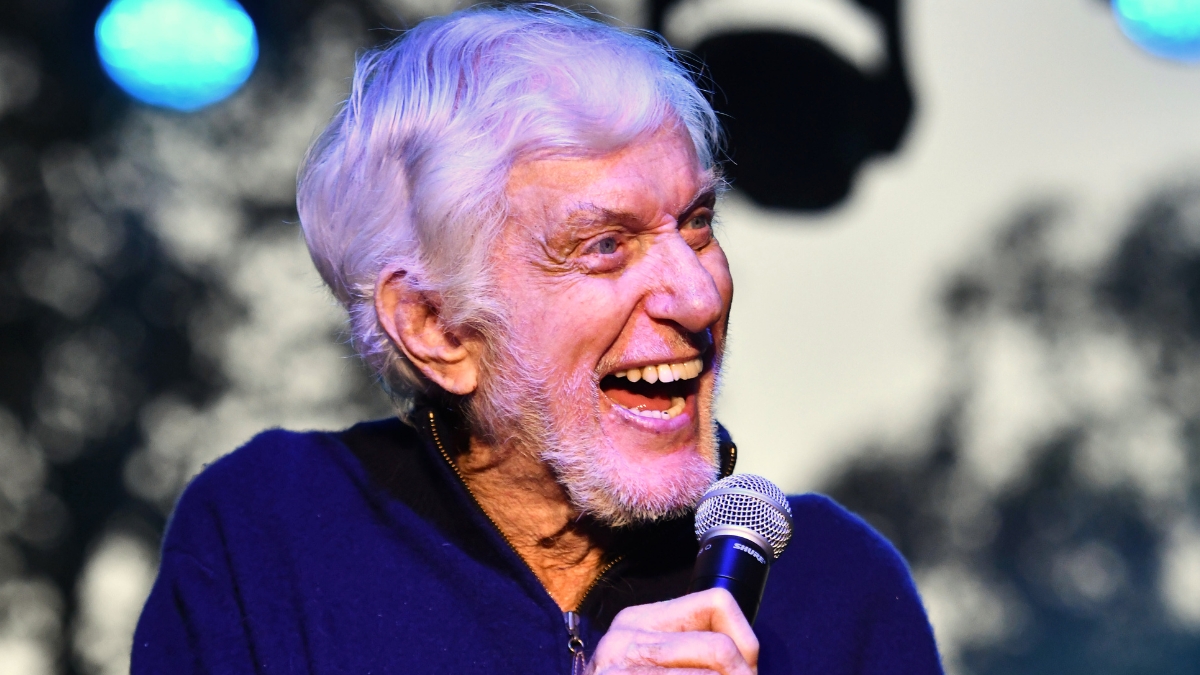
1930-аад онд эхэлсэн судалгаанд шинэхэн гэлэнмаа нар залуу насандаа амьдралынхаа тухай бичжээ. Зургаан арван жилийн дараа хийсэн дүн шинжилгээгээр эерэг сэтгэл хөдлөл илүү илэрхийлсэн оролцогчид дунджаар 10 жилээр урт насалсан байв. Мөн Их Британид 2019 онд хийсэн судалгаагаар өөдрөг үзэл урт наслалттай холбоотой бөгөөд дундаж наслалт 15 хүртэл хувиар урт байж болохыг тогтоожээ; илүү өөдрөг оролцогчид 85 нас хүрэх буюу түүнээс дээш наслах магадлал өндөр байсан.
Аз жаргалын талаарх 1938 оноос үргэлжилж буй судалгаанд дунд насандаа гэр бүл, найз нөхдийн хүрээлэлдээ илүү сэтгэл хангалуун байсан хүмүүс 80 насандаа эрүүл мэндээрээ илүү байсан бөгөөд өвчлөл багатай, өвчнөөсөө эдгэрэх магадлал өндөр байжээ. Мөн 50-иас дээш насныхны амьдралын зорилго хүчтэй байх нь биеийн болон сэтгэцийн эрүүл мэндийн илүү сайн үзүүлэлттэй холбоотойг зарим судалгаа харуулсан.
Өөдрөг байдал, амьдралын зорилго эрүүл мэндэд хэрхэн нөлөөлдөг нь одоогоор тодорхойгүй ч судлаачид аз жаргал, утга учиртай амьдрал, сэтгэл ханамжтай харилцаатай холбоотой байж болохыг дурджээ. Зарим эрдэмтний тооцоогоор 90 нас хүрэхэд удамшил 30 хувь, хооллолт болон хөдөлгөөн зэрэг эрүүл мэндийн зан үйл 70 хувийн нөлөөтэй байж болно. Зуун насалсан хүмүүсийн үр хүүхэд нийт хүн амтай харьцуулахад амьдралын зорилгоо илүү хүчтэй мэдэрдэг бөгөөд энэ нь өвчин, хөгжлийн бэрхшээл, танин мэдэхүйн доройтлын түвшин багатай холбоотой байжээ.
Дэлгэрэнгүйг эх сурвалжаас харах
↓Эх сурвалжийг нээх ↓
At the close of 2025, the beloved actor Dick Van Dyke – famous for tap dancing with a ‘twinkle in his eye’ – turned 100 years old.
On the eve of his birthday, he published a book called 100 Rules for Living to 100: An Optimist’s Guide to a Happy Life.
“I never wake up in a bad mood,” he said, ahead of the book’s publishing that year.
That’s an impressive claim for so many years on this planet, and while it might seem far-fetched, that upbeat attitude could be an important factor in Van Dyke’s extreme longevity.
Writing for The Conversation in 2025, health scientist Jolanta Burke explained that emerging research really does suggest that optimists like Van Dyke have a higher chance of living longer.
“Numerous studies have shown that keeping stress levels low and maintaining a positive, optimistic outlook are correlated with longevity,” she noted.
There is obviously no set of rules that can guarantee a ticket to the centenarian life, but there are factors that we can somewhat control.
Optimism may be one of them.
Burke points to a long-term study on novice nuns that began in the 1930s. In their youth, participants were asked to write down the story of their lives.
Six decades later, researchers found that those who expressed more positive emotion lived an average of ten years longer.
More recently, a 2019 study from the United Kingdom found that optimism is specifically related to a longer lifespan, up to 15 percent longer on average.
Among two large cohorts, those who were more optimistic had greater odds of achieving “exceptional longevity,” the researchers reported. That means they lived to 85 or beyond.
But why is optimism apparently so good for longevity?
Scientists aren’t yet sure, but they have a few ideas about why a positive state of mind may bestow health.
Positivity is often linked to happiness, a sense of purpose, and satisfying relationships, all of which are associated with longer lifespans.
The world’s longest study on happiness has been running since 1938, and after nearly nine decades, hundreds of peer-reviewed papers, and countless questionnaires, medical check-ups, and in-person interviews, a clear pattern has emerged.
The best predictor of a happy and meaningful life is not ‘good’ genes, the study authors found in a recent analysis, but how good our lives feel to us.
Participants who were most satisfied with their community of friends and family in middle age were the healthiest at age 80. They were also less likely to have diseases and more likely to recover from illnesses.
Scientists are not sure why that is, but they suspect that a rich social life provides some protective buffering against the stresses and anxieties of the day.
Today, some scientists estimate that reaching age 90 can be explained by 30 percent genetics and 70 percent health behaviors, such as diet or physical activity.
A positive state of mind may be one of those factors, and our loved ones may be an important way to achieve that positivity.
Earlier this year, David Attenborough also turned 100.
On his 90th birthday, he told the press that his longevity was due to sheer darn luck.
While that is likely true to a certain extent, there were factors that may have increased his longevity.
Attenborough, like Van Dyke, has remained socially and physically active, even into older age. His passion for the natural world has never faded, and he continues to work, saying he loathes the idea of retirement.
Some evidence has found that adults over 50, who have a strong sense of purpose in life, tend to have better physical and mental health outcomes.
The largest and most comprehensive study of centenarians and their families in the world, conducted by researchers in the US, has found evidence for that.
Related:At 91, Julie Andrews Swears by One Habit Linked to 18% Lower Dementia Risk
The study suggests, for instance, that the children of centenarians are more likely to have a strong sense of purpose than the general population, and this was linked to lower rates of disease, disability, and cognitive impairment.
“Aging well is not only escaping or delaying disease,” co-author and biostatistician Paola Sebastiani from Boston University said in 2018.
“Feeling good about your life is important and should be considered an important aspect of healthy aging.”
Van Dyke has another way of putting it…
“Old age is part fact, part state of mind, part luck,” he wrote in another book, called Keep Moving: And Other Truths About Living Well Longer.
He might be on to something.
A twinkle in your eye and a pep in your step may not only add life to your years, but years to your life.
This article was fact-checked by Rebecca Dyer and edited by Rebecca Dyer. While we pride ourselves on our process, we are only human. If you spot a mistake, please let us know.

