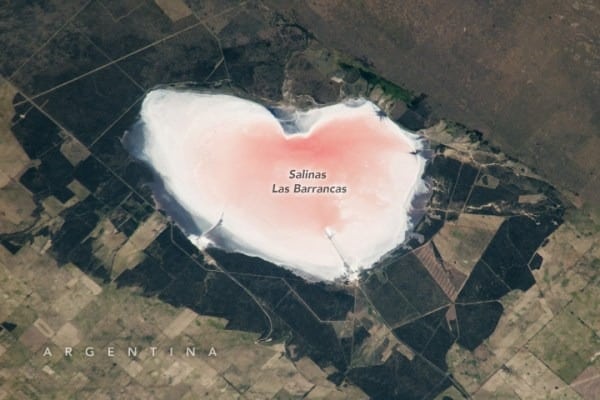
Олон улсын сансрын станцаас авсан нэгэн ер бусын гэрэл зураг дэлхий нийтийн анхаарлыг татаж байна. Аргентиний Буэнос-Айрес мужийн нутагт орших, дээрээс харахад бараг төгс зүрх хэлбэртэй харагддаг ягаан өнгөтэй давсны нуурыг NASA 2025 оны Валентины өдөрт зориулан олон нийтэд танилцуулжээ.
Salinas Las Barrancas (эсвэл Laguna de Salinas Chicas) нэртэй энэхүү нуур нь Баия Бланка хотоос баруун зүгт байрладаг, ойролцоогоор 10 км өргөнтэй гүехэн нуур юм. Нуурын өнгө нь усны түвшнээс хамааран байнга өөрчлөгддөг бөгөөд ус уурших тусам ягаан өнгө нь илүү тодорч, хурц болдог байна.
Энэхүү ягаан туяа нь туйлын давслаг орчинд амьдрах чадвартай бичил биетүүдээс үүдэлтэй. Микробиологийн профессор Лиллиам Касиллас Мартинезийн тайлбарласнаар:
- Бороотой улиралд: Давсны хэмжээ багасах үед Dunaliella salina хэмээх замаг давамгайлж, нуурыг бор улаан туяатай болгодог.
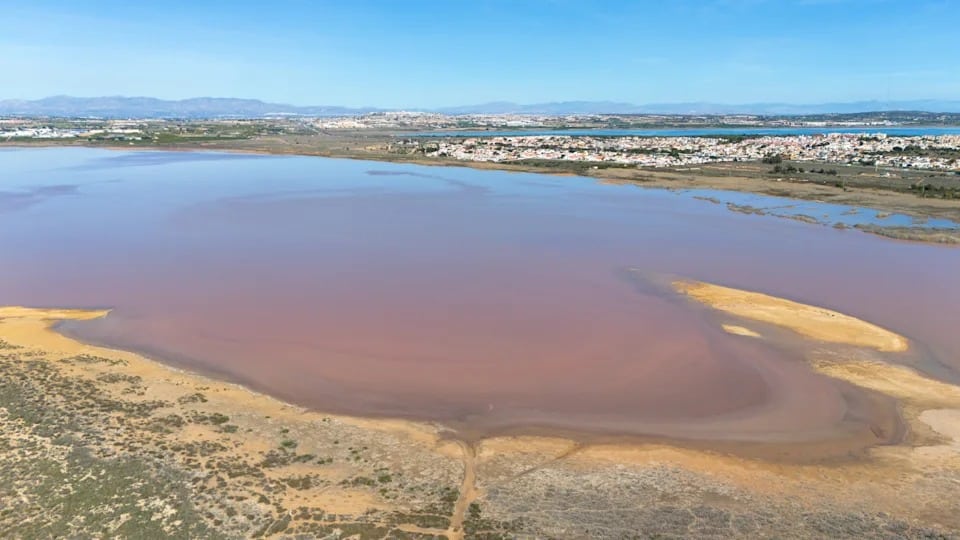
- Хуурай улиралд: Ус ууршиж, давсны концентраци дээд цэгтээ хүрэхэд тусгай төрлийн архей болон бактериуд идэвхжсэнээр нуур гайхалтай тод ягаан өнгөөр туяардаг байна.
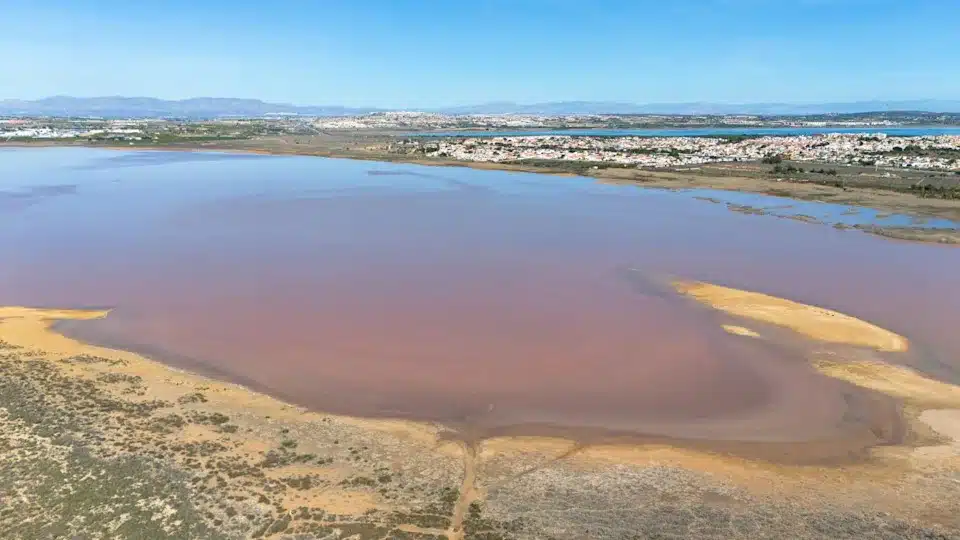
Энэхүү нуур нь зөвхөн үзэсгэлэнтэй харагдаад зогсохгүй орон нутгийн эдийн засгийн чухал эх үүсвэр юм. Нуурын эргэн тойрноос жил бүр 150 мянга орчим тонн давс олборлодог бөгөөд ажилчид борооны улирлын хооронд уламжлалт аргаар давсыг гараар цэвэрлэн авдаг.
Мөн нуурын орчимд Чилийн фламинго болон ховор шар кардинал зэрэг шувууд цуглардаг. Сонирхолтой нь, фламинго шувуудын алдарт ягаан өнгө нь энэхүү нуурын замаг, бичил биетүүдийг идэж буй жижиг хавч хэлбэртнүүдээс дамждаг пигменттэй шууд холбоотой ажээ.
Байгаль эхийн бүтээсэн энэхүү “ягаан зүрх” нь усны эргэлт, бичил биетүүд болон геологийн тогтоц хэрхэн гайхамшгийг бүтээж болдгийн нэгэн амьд жишээ болж байна.
Дэлгэрэнгүйг эх сурвалжаас харах
↓Эх сурвалжийг нээх ↓
A 2024 astronaut photo has revealed a naturally heart-shaped salt lake glowing pink in Argentina. The image, released by NASA for Valentine’s Day 2025, quickly caught attention because of its color and almost perfect shape.
The lake, called Salinas Las Barrancas or Laguna de Salinas Chicas, sits about 33 miles west of Bahía Blanca in Buenos Aires province. It stretches around 6 miles across and shifts in appearance depending on rain and evaporation.
This place is also shaped by ongoing salt mining and by microorganisms that thrive in extreme conditions, both of which play a role in how the lake looks from above.
A Lake That Fills And Dries Again And Again
Salinas Las Barrancas is a shallow lake that fills up after heavy rains and then dries out under strong sunlight. As the water disappears, it leaves behind thick layers of salt across the ground. According to NASA Earth Observatory, this cycle happens regularly and keeps the area rich in salt deposits.
In the astronaut image, the lighter pink color suggests the lake was nearly dry. That stage usually means higher salinity and less water, which directly affects how the lake looks.
Tiny Life Turns Nature Pink
The lake’s color comes from microorganisms that can survive in very salty water. One of them, Dunaliella salina, is a type of algae that often gives salt lakes a darker red tone when conditions are less extreme. As Lilliam Casillas Martinez, an associate professor of microbiology at the University of Puerto Rico at Humacao, explained:
“We have rainy seasons, when the salinity levels decrease [because there’s more water in the ponds]. When there’s less salt, theDunaliellasurvives and the ponds look brownish-red.” she added: “During the dry season, it gets really salty. TheDunalielladies and the archaea and bacteria take over. Then it becomes pink, pink, pink.”
Life and Salt at the Lake’s Edge
The area is also used for salt production. As mentioned in Live Science, workers extract up to 330,000 U.S. tons of salt each year, mostly using traditional methods like scraping the surface by hand between rainy seasons.
The conditions are tough. Sunlight reflects strongly off the white salt, making it hard to see and work for long periods. One worker, Chepo, described the place as harsh but familiar, saying the salt becomes part of daily life, as reported by the same.
“The salt becomes part of your life,” he said. “For someone else, it’s a hellish place, but for me, the salt flats are my home; you get used to not being able to see.”
Even in these conditions, some life manages to exist. Salt tolerant plants grow around the edges, and birds such as Chilean flamingos and yellow cardinals feed on small crustaceans rich in carotenoids. These pigments come from algae like Dunaliella and help give the birds their color.
Enjoyed this article? Subscribe to our free newsletter for engaging stories, exclusive content, and the latest news.