Антарктидын эрс тэс орчинд явуулсан судалгаа нь сансрын хөлгийн хязгаарлагдмал орон зайд ажиллах багийн гишүүдийн нийгмийн харилцааны динамикийг илүү сайн ойлгоход тусална.
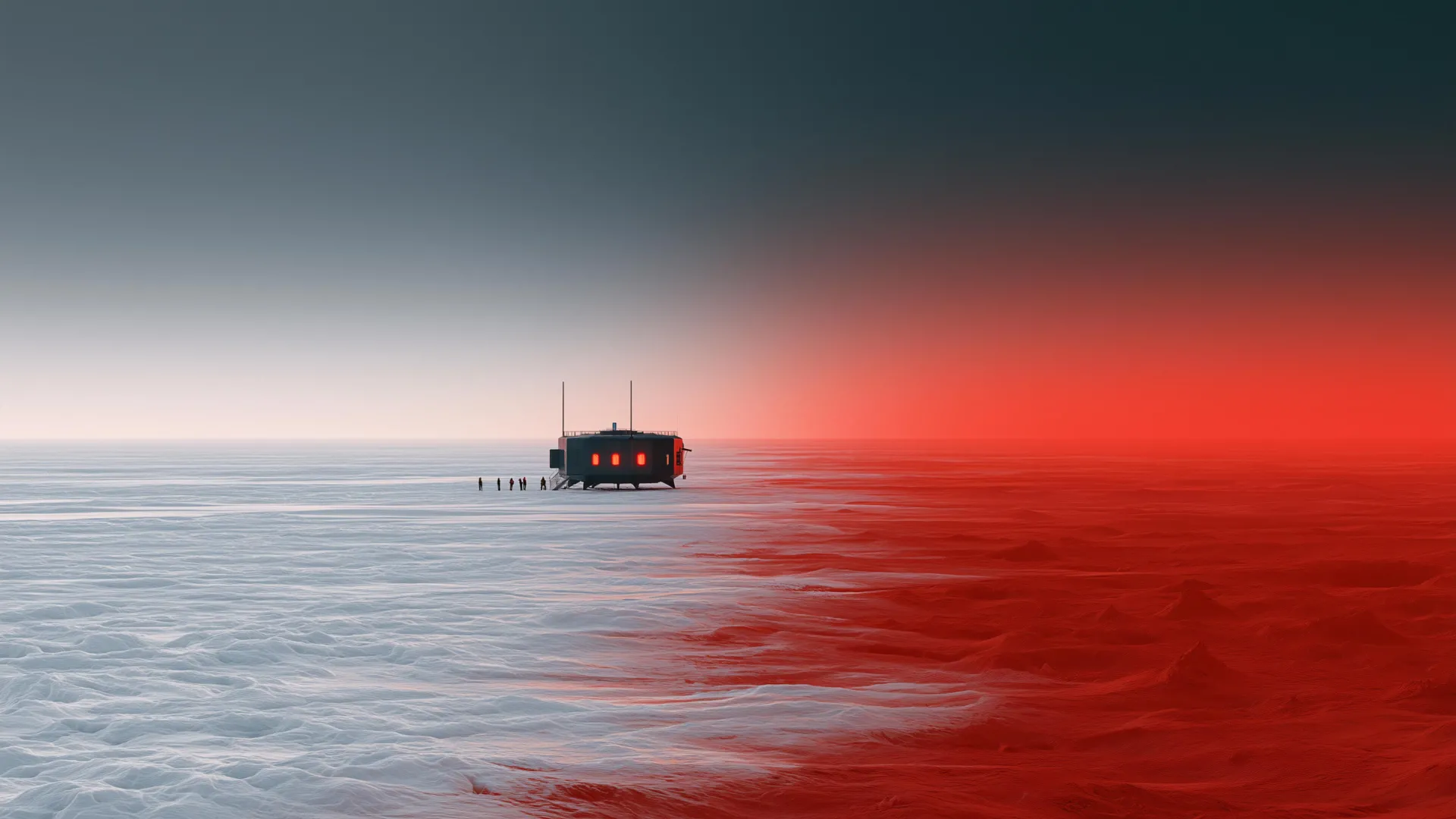
Цюрихийн их сургуулийн сэтгэл судлаач Ян Шмутц болон Бернийн их сургуулийн сэтгэцийн эмч Андреа Кантисани нар Антарктид дахь “Concordia” станцад 10 сарын турш өвөлжсөн 12 хүний бүрэлдэхүүнтэй багийн гишүүдийн харилцааг судалжээ. Хасах 80 хэм хүртэл хүйтэрдэг, дэлхийн хамгийн алслагдсан бүсүүдийн нэг болох тус станц нь Ангараг эсвэл Сар руу хийх ирээдүйн урт хугацааны сансрын нислэгийн нөхцөлийг дуурайлган үзүүлсэн орчин болсон байна.
Судлаачид багийн гишүүдийн сэтгэл зүйн байдлыг асуулгын аргаар хэмжихийн зэрэгцээ, өмссөн мэдрэгч төхөөрөмжүүдийн тусламжтайгаар гишүүдийн бие биетэйгээ ойр байх хугацаа болон давтамжийг хянажээ. Ингэхдээ тэд ганцаардал, итгэлцэл, зөрчил болон багийн хамтын ажиллагааны өөрчлөлтийг 10 сарын хугацаанд ажигласан байна.
Судалгааны үр дүнгээс харахад багийн гишүүд хоорондоо илүү ойр байх нь үргэлж эерэг үр дүнд хүргэдэггүй болох нь тогтоогджээ. Харин ч илүү ойр байж, байнга харилцах нь зарим тохиолдолд зөрчил үүсгэх, итгэлцлийг сулруулах, ажлын гүйцэтгэлийг бууруулах сөрөг нөлөөтэй байж болохыг судлаачид онцолсон байна.
Түүнчлэн хугацаа өнгөрөх тусам багийн гишүүд хэл, соёлын ижил төстэй байдлаар жижиг бүлгүүдэд хуваагдах хандлага ажиглагджээ. Энэ нь стресстэй үед сэтгэл зүйн дэмжлэг болж болох ч багийн ерөнхий нэгдмэл байдлыг сулруулах эрсдэлтэй гэж үзэж байна.
Судлаачид энэхүү судалгаа нь зөвхөн хамаарлыг илрүүлсэн бөгөөд шалтгаант холбоог бүрэн тогтоогоогүй гэдгийг анхааруулж байна. Цаашид нийгмийн ямар төрлийн харилцаа стрессийг бууруулахад тусалдаг болохыг илүү нарийвчлан судлах шаардлагатай байгаа юм.
Дэлгэрэнгүйг эх сурвалжаас харах
↓Эх сурвалжийг нээх ↓
Long space missions can force small crews to endure isolation, cramped living conditions, and intense psychological pressure for months at a time. To better understand how those conditions shape teamwork, an international research group studied a ten-month overwintering mission at Concordia Station in Antarctica.
The research was led by Jan Schmutz, a professor in the Department of Psychology at the University of Zurich, and Andrea Cantisani, a psychiatrist and research associate at the University of Bern. Concordia Station is among the most remote places on Earth, with winter temperatures falling as low as minus 80 °C (-112 °F). Its isolation makes it one of the strongest real-world stand-ins for future extended missions to the Moon or Mars.
Tracking Social Changes in Extreme Isolation
The mission included 12 crew members, who completed questionnaires at four points during the ten-month period. They also wore sensors that automatically measured when they were physically close to other team members and how long those encounters lasted.
By combining the questionnaire responses with the sensor data, the researchers were able to follow changes in loneliness, trust, conflict, social relationships, team cohesion, and perceived performance throughout the mission.
More Contact Did Not Always Help
One of the most notable findings was that spending more time near other crew members was not consistently linked to better social outcomes. Participants who had more frequent contact with others were also more likely to report increased conflict, greater mistrust, and lower performance.
The results suggest that constant closeness can become another source of pressure in highly confined environments. Isolation may be difficult, but having little opportunity for privacy can also create strain.
“In small teams under extreme conditions, more contact doesn’t automatically equate to social support, but can actually increase tensions,” says Jan Schmutz.
The researchers caution that the study found correlations and cannot establish cause and effect. For instance, people who felt lonely may have sought out more interaction, even when those encounters did not provide the support they needed.
Crew Members Formed Smaller Social Groups
The wearable sensors also showed that the crew gradually separated into smaller subgroups as the mission continued. People increasingly spent time with colleagues who shared their language or nationality.
These connections may help individuals feel supported and grounded during stressful periods. However, they may also encourage social divisions and weaken unity within culturally diverse teams.
Lessons for Future Moon and Mars Missions
The findings could be especially important for future space missions in which small crews must live and work together for months or years. Astronauts on extended missions may have very little privacy and only limited communication with people outside the spacecraft or habitat.
The results may also apply to other demanding environments, including submarines, offshore oil platforms, and remote research stations.
“The results show how important it is to identify social dynamics early on and provide teams with targeted support,” says Schmutz.
Wearable Sensors Worked in Harsh Conditions
The study also showed that wearable proximity sensors can operate reliably in extreme environments. These devices allowed researchers to monitor changes in everyday social patterns without substantially disrupting the crew’s routines.
Future studies will look more closely at which types of social interaction help relieve stress and which ones may add to it.

